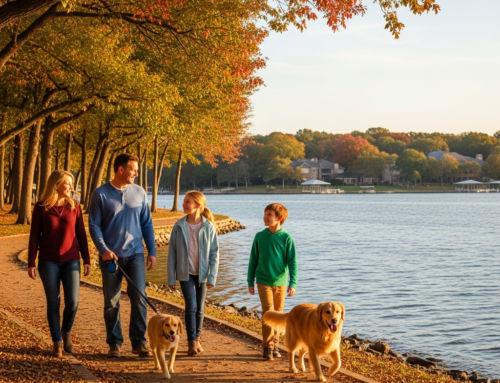
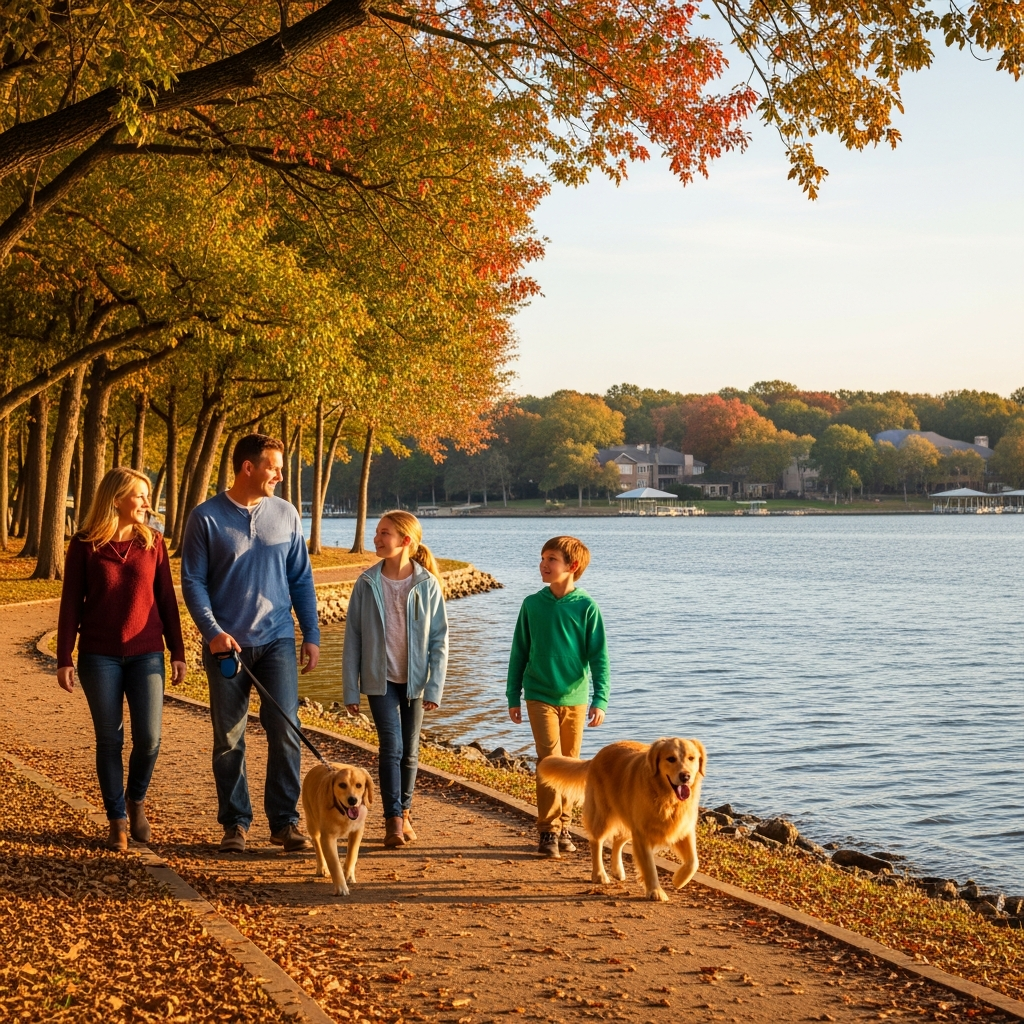
Life in Travis Ranch: What Residents Love Most

You know that moment when you’re house-hunting and you walk into a neighborhood that just… *feels* right? Maybe it’s the way kids are actually playing outside instead of glued to screens. Or how neighbors wave instead of avoiding eye contact. Or perhaps it’s something you can’t quite put your finger on – this sense that people here aren’t just living next to each other, they’re actually living *with* each other.
That’s the feeling most people get when they first visit Travis Ranch.
But here’s the thing about that warm, fuzzy first impression – it can be deceiving, right? We’ve all been charmed by a community’s surface appeal only to discover later that the HOA is run by tyrants, the schools are struggling, or that perfect playground is actually a mosquito breeding ground come summer. (Ask me how I know…)
So when we started hearing consistent buzz about Travis Ranch – not just from real estate agents trying to make a sale, but from actual residents who’d been living there for years – we got curious. What exactly makes this place tick? And more importantly, what would make *you* want to call it home?
Because let’s be honest: choosing where to live isn’t just about square footage and granite countertops anymore. It’s about finding a place where your kids can ride bikes without you having a heart attack. Where you might actually know your neighbors’ names. Where “community” isn’t just a marketing buzzword slapped on a development sign.
The pandemic really drove this home for a lot of us, didn’t it? Suddenly, our immediate surroundings became our whole world. That neighbor you’d only nodded at for three years? They became your lifeline when you needed someone to grab groceries. That nearby park you’d driven past a thousand times? It became your family’s sanctuary when everything else shut down.
We realized that the *where* of our lives matters just as much as the *what* and the *how*.
So we did what any good neighbors would do – we asked around. We spent months talking to Travis Ranch residents, from young families who’d just moved in to empty nesters who’d been there since the early days. We wanted to know what drew them there, what keeps them there, and what they’d tell someone who’s considering making the move.
What we discovered was pretty fascinating. Sure, people mentioned the obvious stuff – the well-maintained amenities, the convenient location, the solid property values. But the stories that really lit up their faces? Those were about the unexpected connections. The impromptu block parties. The neighbor who noticed when they hadn’t brought in their mail and checked to make sure everything was okay.
They talked about feeling like they’d found something that’s becoming increasingly rare – a genuine sense of belonging.
Now, I know what you might be thinking. “This sounds too good to be true.” And honestly? We were a little skeptical ourselves. No place is perfect, and every community has its challenges. But what struck us was how consistently residents talked about Travis Ranch not as a perfect place, but as a place where people work together to make things better.
That’s… actually pretty refreshing in today’s world.
Over the next few sections, we’re going to walk you through what residents *actually* say they love most about living here. Not the polished marketing speak, but the real, unvarnished truth from people who wake up in Travis Ranch every morning and choose to stay.
We’ll explore everything from the tangible perks – the amenities, the location, the home values – to the harder-to-quantify benefits like community culture and that elusive “neighborhood feel.” You’ll hear directly from residents about what surprised them most about living here, what they wish they’d known before moving in, and what they’d tell their best friend who’s considering a move to Travis Ranch.
Because at the end of the day, that’s really what this is about, isn’t it? Finding a place where you’re not just buying a house – you’re joining a community. Where you’re not just investing in property – you’re investing in a lifestyle that fits who you are and who you want to become.
The Ranch That’s Not Really a Ranch
So here’s the thing about Travis Ranch – it’s not actually a ranch. I know, I know… the name’s a bit misleading. But that’s kind of the point, isn’t it?
When developers first envisioned this community back in the early 2000s, they wanted to capture something that felt authentically Texan without being, well, *too* authentic. You know what I mean – all the charm of wide-open spaces and that relaxed ranch lifestyle, but with reliable WiFi and a Starbucks within reasonable driving distance.
The “ranch” refers more to the sprawling layout and the intentional preservation of natural landscapes throughout the neighborhood. Think of it as… suburban planning that actually learned from nature instead of bulldozing right through it. Those winding trails you see everywhere? Most of them follow the original cattle paths that meandered through this land decades ago.
A Community That Grew Organically (Sort Of)
What makes Travis Ranch different from your typical planned community is how it developed – in phases, sure, but each one responding to what residents actually wanted, not just what looked good in marketing brochures.
The original section, what locals call “Old Ranch,” has those classic early-2000s homes with the big front porches and mature oak trees. Then came the “Village” area around 2010 – smaller lots, more walkable, designed for young families who wanted that neighborhood feel where kids could actually ride bikes to their friends’ houses.
And then… well, then came 2020. You know what happened next. Suddenly everyone wanted space, home offices, maybe a pool. The newest sections reflect that shift – larger homes, more flexibility in floor plans, and honestly? Better internet infrastructure, because we all learned that lesson the hard way during Zoom school.
The Geography Actually Matters Here
Here’s something that might surprise you – Travis Ranch sits on some genuinely interesting terrain. We’re not talking about dramatic hills or anything, but there are these subtle elevation changes that create natural neighborhoods within the larger community.
The higher areas (and I’m talking maybe 50 feet of difference, so don’t expect mountain views) tend to have the larger homes and better drainage. The lower areas, especially near Willow Creek, have this lush, almost park-like feel that’s pretty magical in the spring when everything’s green and blooming.
That creek, by the way, is both a blessing and… well, let’s just say it keeps the HOA busy. Beautiful wildlife corridor, great for morning walks, but also means we all get very familiar with our local flood zones during heavy rain seasons.
The HOA Situation (Yes, We Need to Talk About It)
Look, I’m not going to sugarcoat this – there’s an HOA, and it has opinions. Strong ones.
But here’s the thing that took me a while to understand: the HOA here isn’t just about keeping everyone’s grass the same height (though they do care about that, trust me). They’re actually managing something pretty complex – thousands of residents, multiple pools, miles of walking trails, several parks, and all those common areas that make the community feel special.
The fees are… well, they’re not cheap. But when you break it down – pool maintenance, landscaping for all those beautiful common areas, trail upkeep, the community center that hosts everything from yoga classes to kids’ birthday parties – it starts to make sense. Sort of like a gym membership, except the gym includes your entire neighborhood.
What “Community” Actually Means Here
The word “community” gets thrown around a lot these days, often by developers trying to sell houses. But Travis Ranch has something that’s harder to manufacture – it has what I call “comfortable density.”
You’re close enough to your neighbors to borrow a cup of sugar (do people still do that?) but far enough apart that nobody’s listening to your Netflix choices through thin walls. There are enough people to support actual amenities – like that farmer’s market every Saturday, or the food trucks that rotate through the community center – but not so many that you feel anonymous.
It’s that sweet spot where you recognize faces at the grocery store, your kids have friends within walking distance, and someone notices if you haven’t picked up your mail in a few days. Not in a nosy way, mind you. More like… a community that actually functions like one.
Building Genuine Connections (Without the Awkward Small Talk)
Look, I get it – making friends as an adult feels harder than assembling IKEA furniture without the instructions. But here’s what I’ve learned from watching Travis Ranch residents who seem to effortlessly build their social circles: it’s all about showing up consistently to the same activities.
Pick one thing – maybe it’s the Saturday morning farmers market or that Tuesday evening yoga class at the community center. Don’t bounce around trying everything once. Instead, become a regular. You know how you start recognizing the same barista at your coffee shop? That’s the magic you’re after. After three weeks, people start nodding. After six weeks, you’re chatting about the weather… and before you know it, someone’s inviting you to their backyard barbecue.
Pro tip: volunteer for something small. I’m talking about helping set up chairs for community events, not committing to run the entire HOA (that’s a whole different level of community involvement). When you’re working alongside someone – even for just 20 minutes – conversation flows naturally. Plus, you’ll get the inside scoop on everything happening in the neighborhood.
Maximizing Those Amenities You’re Actually Paying For
Here’s the thing about community amenities – most people use about 20% of what’s available. Don’t be most people.
The pool area? It’s basically empty on weekday mornings and Sunday evenings. That’s when you get the peaceful, resort-like experience without fighting for a good spot. The fitness center tends to be quietest around 2 PM and after 7 PM – perfect if you’re not into the morning rush or evening crowd.
But here’s where residents really get smart: they use the clubhouse for their own gatherings. Birthday parties, book clubs, even just having friends over for game night. The reservation fees are usually minimal, and you get all that space plus a full kitchen. One family I know throws their annual holiday party there every year – way better than cramming everyone into their living room.
The Art of Strategic Parking and Traffic Navigation
Traffic patterns in any planned community are like… well, like a slow dance everyone eventually learns. Morning rush happens between 7:15 and 8:30 AM, with another mini-rush around 3:30 PM when school lets out.
Here’s what the veterans know: there are usually two ways to get anywhere in Travis Ranch. The obvious route everyone takes, and the slightly longer route that actually gets you there faster during peak times. Spend one weekend driving around and mapping out these alternate routes. Your future self (running late for that important meeting) will thank you.
And parking? At popular spots like the community center during events, residents park about two blocks away and walk. Sounds counterintuitive, but you’ll spend less time circling for a close spot and you’ll avoid the post-event traffic jam. Plus, you get those extra steps in.
Making Your Home Work Better Within the Community
Your outdoor spaces aren’t just for you – they’re part of the whole neighborhood’s visual appeal. But here’s the secret: the most admired yards aren’t necessarily the most expensive ones. They’re the ones that feel intentional.
Plant things that bloom at different times of the year, so there’s always something interesting happening in your front yard. Native plants are your best friend – they look great, need less water, and the HOA loves them. Actually, that reminds me… check if there are any community plant swaps. Residents often divide their perennials and share cuttings. Free plants, and you meet neighbors who actually know what they’re doing in the garden.
Window treatments matter more than you’d think. Not just for your privacy, but for the overall street appeal. Those plantation shutters everyone installs? There’s a reason. They look good from both inside and outside, they’re durable, and they help with energy costs.
Staying in the Loop Without the Drama
Every community has its information networks – some healthier than others. The NextDoor app can be useful for legitimate neighborhood updates, but… let’s just say it can also become a rabbit hole of complaints about trash pickup times.
The real information flows through a few key channels: the monthly community newsletter (actually read it), the bulletin board at the mailbox clusters, and those friendly neighbors who seem to know everything. You know the type – they’re usually walking their dog twice a day and somehow know about every upcoming construction project before the official notices go out.
Build relationships with your immediate neighbors – not just friendly waves, but actual conversations. They’re your first line of defense for package deliveries, pet emergencies, and knowing when something unusual is happening on your street.
The Real Talk: What Nobody Mentions in the Welcome Packet
Let’s be honest – every community has its quirks, and Travis Ranch is no exception. You know how real estate agents always show you the pristine model homes but never mention that the garbage truck comes at 5 AM? Well, consider this your friendly neighborhood reality check.
The biggest surprise for most new residents? The distance factor. Sure, you fell in love with the spacious lots and that gorgeous hill country view, but then reality hits when you realize you’re twenty-five minutes from Target on a good day. And don’t even think about quick grocery runs during rush hour…
Here’s what actually works: batch your errands like you’re meal prepping. Make a master list, hit everything in one trip, and embrace the slower pace. Actually, that reminds me – several neighbors have started informal grocery co-ops. Sarah from Meadowlark Drive organizes Costco runs every other weekend, and honestly? It’s become as much about the coffee stop afterward as the savings.
When the Commute Reality Hits
That peaceful morning drive you imagined? Well, it’s peaceful until construction season hits (which seems to be every season lately). The FM 1431 backup can turn your zen commute into a white-knuckle test of patience.
Smart residents have figured out the rhythm though. Mark from the HOA board swears by leaving fifteen minutes earlier and using the time for podcasts or audio books. “I’ve gotten through more personal development content in my car than I ever did at home,” he says. Others have negotiated flexible work arrangements – turns out many Austin employers are pretty understanding about the suburban commute trade-offs.
The real game-changer? Connecting with neighbors who work similar schedules. The informal carpool groups that have sprouted up aren’t just about saving gas money – they’re building genuine friendships.
The Social Learning Curve
Here’s something nobody warns you about: making friends as an adult in a new community is… well, it’s not like college. You can’t just knock on doors with a six-pack and expect instant friendships (though honestly, that might work better than you’d think around here).
The secret sauce seems to be showing up consistently to the same activities. Whether it’s the walking group that meets at the community center every Tuesday, the book club that’s been going strong for three years, or even just being the person who actually stops to chat during evening dog walks – consistency builds connections.
And if you’re naturally introverted? The community garden has become an unexpected social hub. There’s something about weeding side-by-side that makes conversation flow more naturally than forced small talk at organized mixers.
HOA Growing Pains
Let’s address the elephant in the room – the homeowners association. Yes, they sent Patricia a strongly worded letter about her holiday lights staying up until February. Yes, there was that whole drama about the community pool rules last summer.
But here’s what’s working: getting involved early, even in small ways. You don’t have to run for the board (though they’d love you if you did), but showing up to meetings, volunteering for the spring cleanup, or joining one of the committees gives you actual influence over decisions that affect your daily life.
The residents who seem happiest are the ones who view the HOA as a collaborative effort rather than a bureaucratic nightmare. When you know the people making the rules, somehow those rules make more sense.
The Infrastructure Reality Check
Power outages happen more than you’d expect – those gorgeous oak trees we all love? They’re not always friends with power lines during storms. Same goes for internet service… let’s just say working from home requires backup plans.
The practical solutions are pretty straightforward: invest in a good generator (your neighbors will thank you when you’re the only house with coffee during outages), have a mobile hotspot backup for crucial work calls, and get to know your utility providers’ customer service numbers by heart.
Most importantly? Don’t try to solve everything at once. Travis Ranch life has a learning curve, but the payoff – those sunset views, the genuine community feel, the space to actually breathe – makes the adjustment period worth it. Besides, every challenge you figure out becomes wisdom you can pass along to the next new neighbor.
Setting Realistic Expectations for Your Travis Ranch Experience
Look, I’m going to be straight with you – moving to any new community, even one as welcoming as Travis Ranch, comes with an adjustment period. And that’s completely normal.
Most residents tell me it takes about three to six months to really start feeling “at home” here. The first few weeks? You might feel a bit like you’re still visiting. Your Amazon deliveries might get lost (our street names can be… let’s say “creative”), and you’ll probably drive past the clubhouse entrance at least twice before you figure out where it actually is.
But here’s what I love about this place – people genuinely want to help you settle in. Don’t be surprised if neighbors stop by with cookies or recommendations for the best local services. It’s not just politeness; it’s how we do things here.
The Real Timeline for Getting Connected
Months 1-2: The Learning Curve
You’re going to spend these first couple months figuring out the basics. Which grocery store has the best produce (spoiler alert: it’s not always the closest one). How early you need to reserve the fitness center during peak hours. Where exactly you’re supposed to put your trash bins so they don’t blow into your neighbor’s yard during those infamous Texas windstorms.
The homeowners association will send you approximately seventeen different packets of information. Yes, it feels overwhelming. No, you don’t need to memorize it all immediately. Most of us just keep that stuff in a drawer and reference it when needed.
Months 3-4: Finding Your Rhythm
This is when things start clicking. You’ll have discovered your favorite walking route – maybe the one that loops past the pond where Mrs. Henderson feeds the ducks every morning, or the trail that gives you those gorgeous sunset views. You’ll know which neighbors wave from their front porches and which ones prefer a simple nod.
You might even attend your first community event. Don’t feel pressured to jump into everything immediately; our social calendar can be pretty packed, and it’s easy to get overwhelmed.
Months 5-6: Actually Feeling Like Home
By now, you’re probably defending Travis Ranch in conversations with friends from your old neighborhood. “Well, at Travis Ranch, we have this amazing…” Sound familiar? Yeah, it happens to all of us.
Getting Involved at Your Own Pace
Here’s something nobody tells you upfront – you don’t have to join every committee or attend every book club meeting to be a “good neighbor.” Some residents are social butterflies who know everyone’s dog’s name within a month. Others prefer quiet involvement, maybe just participating in the annual garage sale or holiday decorating contest.
Both approaches are perfectly fine.
If you’re naturally outgoing, the Welcome Committee always needs volunteers, and the various special interest groups – from wine tasting to hiking – are constantly looking for new members. But if you’re more of a slow-warm-up type (like me, honestly), start small. Maybe just wave to people during your evening walks. Attend one community meeting. See how it feels.
Practical Next Steps That Actually Help
Week One: Drive around and get your bearings. Locate the mailboxes, figure out trash day, find the nearest exit for your daily commute.
Month One: Register for the community portal online. This is where you’ll find everything from event announcements to maintenance requests. Also, introduce yourself to your immediate neighbors – just a quick “hi, we’re the new people” works perfectly.
Month Two: Try one amenity that interests you. The pool? Walking trails? Fitness center? Don’t feel obligated to use everything immediately.
Month Three: Consider attending a community meeting or social event. The monthly coffee mornings are pretty low-key if you’re testing the waters.
When Things Don’t Go Perfectly
Sometimes residents worry they’re not “fitting in” fast enough, or they compare themselves to that one neighbor who seems to know everyone already. Here’s the thing – everyone’s timeline looks different, and that’s actually what makes our community interesting.
Some folks have told me they felt like outsiders for nearly a year before something clicked – maybe they finally joined the gardening club, or they volunteered for the holiday party planning committee, or they simply started saying yes to more invitations.
The beauty of Travis Ranch is that there’s room for all types, all timelines, all comfort levels. You don’t need to transform into a different person to belong here. You just need to be open to letting this place become part of your story – at whatever pace feels right for you.
What strikes me most about talking with folks here is how their faces light up when they describe their daily routines. It’s not just the amenities – though those hiking trails and the community center definitely don’t hurt. It’s something deeper.
You know that feeling when you’re exactly where you’re supposed to be? That’s what I keep hearing from neighbors. Whether it’s Sarah grabbing her morning coffee and bumping into three friends before she’s even fully awake, or the Johnsons talking about how their teenagers actually *want* to hang out at the family pool instead of hiding in their rooms all summer.
The Real Magic Lives in the Everyday Moments
Sure, the stunning Hill Country views make for great Instagram posts, but the real treasures are smaller. Like knowing your mail carrier’s name (hi, Roberto!). Or the way kids still ride bikes in the street here – safely – while parents chat on driveways. Remember when that used to be… normal?
There’s this beautiful messiness to it all, honestly. New residents worry they won’t fit in, then find themselves hosting block parties within six months. Empty nesters think they’ll be bored without city conveniences, then discover they’re busier than ever with book clubs, walking groups, and impromptu happy hours.
The families with young kids? They’re practically glowing these days. Finally – a place where children can be children without parents constantly worrying. Where the biggest decision on Saturday morning is whether to hit the playground first or the splash pad.
It’s Not Perfect (And That’s Perfect)
Look, we’re not trying to paint some picture-perfect postcard here. Construction noise happens. Sometimes the community events get rained out. The internet went down for half a day last month and you’d have thought the world was ending.
But here’s what I’ve learned from watching this community grow: people don’t need perfection. They need connection. They need that neighbor who brings soup when you’re sick, kids who wave from school bus windows, and the kind of place where “running errands” means chatting with five different people at H-E-B.
You Belong Here Too
If you’re reading this and feeling that little tug in your chest – that “what if” whisper – maybe it’s time to listen. Whether you’re tired of apartment living, dreaming of more space for your growing family, or simply ready for a community that actually feels like… well, a community.
The thing is, every single person I’ve talked to said the same thing: “I wish we’d moved here sooner.”
Don’t let perfect timing become the enemy of great living. Life’s happening right now, and honestly? This little corner of Central Texas has room for your story too.
Ready to see what all the excitement’s about? I’d love to help you explore what Travis Ranch might mean for your family. Shoot me a message, give us a call, or just swing by – I promise no pressure, just honest conversation about whether this feels like home to you. Because after hearing all these stories… I have a feeling it just might.