Travis Ranch Community Amenities Explained

Picture this: you’re standing in your new driveway, boxes stacked to the ceiling in your garage, wondering if you’ve made the right choice moving to Travis Ranch. Your kids are asking when they can use “that cool pool we saw,” your spouse is muttering something about finding the gym, and you’re secretly hoping there’s more to this community than just pretty houses and well-manicured lawns.
Sound familiar?
Here’s the thing – I’ve been exactly where you are. When we moved here three years ago, I had that same mixture of excitement and overwhelm. You know that feeling when you’re trying to figure out where everything is, what’s included with your HOA fees (and what’s not), and whether your family will actually use all these amenities you keep hearing about?
The truth is, Travis Ranch isn’t just another cookie-cutter development with a fancy name and a community pool that’s perpetually “under maintenance.” It’s… well, it’s actually pretty special. But – and this is important – only if you know how to make the most of what’s here.
I remember my first community meeting where they rattled off this long list of amenities, and I’m sitting there thinking, “Great, but where exactly IS the fitness center? And do I need to reserve tennis courts? What about that trail system everyone keeps mentioning?” The welcome packet they give you is about as helpful as assembly instructions written in ancient Greek.
That’s exactly why I wanted to put together this guide. Not the glossy brochure version – the real, practical, “here’s what you actually need to know” version.
Look, I’ve made plenty of mistakes figuring this place out. Like the time I drove around for twenty minutes looking for the “community garden” only to discover it’s tucked behind the playground (and you need your own tools, by the way). Or when I showed up to the fitness center in my ratty old college t-shirt, not realizing it’s actually… well, let’s just say it’s nicer than most commercial gyms.
But I’ve also discovered some absolute gems. Did you know there’s a walking trail that connects to the city trail system? Game changer for my morning routine. And that community room everyone ignores? It’s actually perfect for birthday parties – and way cheaper than renting elsewhere.
The thing about Travis Ranch amenities is they’re designed for different seasons of life. When you’re in the thick of raising little ones, you’ll practically live at the playground and splash pad. Empty nesters? You’ll probably discover the bocce ball courts and community garden. Fitness enthusiasts will geek out over the equipment in the wellness center. There’s something here for pretty much everyone… you just need to know where to find it and how it all works.
Here’s what I wish someone had told me on day one: these amenities aren’t just nice-to-haves. They’re actually the secret sauce that makes this place feel like a real community instead of just a neighborhood where people happen to sleep. I’ve met more neighbors at the dog park than I ever did living in our old subdivision for eight years.
But – and here’s the reality check – not every amenity is created equal. Some are fantastic, some are… fine, and a few might leave you wondering what the designer was thinking. I’m going to give you the honest take on all of it.
We’ll walk through everything from the obvious stuff (pools, fitness center, trails) to the hidden gems most people don’t even know exist. I’ll tell you what’s worth your time, what might disappoint, and those little insider tips that’ll make you feel like a Travis Ranch veteran instead of the new person wandering around with a confused expression.
Because here’s what I’ve learned after three years of trial and error, community events, and way too many conversations with neighbors at the mailbox: when you know how to use these amenities, they don’t just add value to your home – they add richness to your daily life.
Ready to become a Travis Ranch amenities expert? Let’s figure this place out together.
What Makes a Community Tick, Anyway?
You know how some neighborhoods just feel… *right*? Like, you drive through and think, “Yeah, I could see myself here.” That’s not magic – it’s usually the result of thoughtful amenity planning. And honestly, Travis Ranch didn’t happen by accident.
Think of community amenities like the circulatory system of a neighborhood. You’ve got your heart (the clubhouse), your lungs (the parks and open spaces), and all those little capillaries – the walking trails, the dog parks, the playgrounds – that keep everything flowing smoothly. Take away too many pieces, and things start feeling… well, lifeless.
The HOA Dance – Because Someone Has to Pay for All This
Here’s where it gets a bit complicated, and I’ll be straight with you – this confuses a lot of people at first. Your HOA fees aren’t just some mysterious monthly charge that disappears into the ether. They’re literally what keeps your community from turning into, well, *that* neighborhood we’ve all driven through.
Those fees cover everything from landscape maintenance (ever wonder why the entrance always looks pristine?) to pool cleaning, from trail upkeep to clubhouse utilities. It’s like having a shared household budget, except your “household” includes a few hundred families and a whole lot more stuff to maintain.
The tricky part? Understanding what’s actually included versus what might cost extra. Some communities bundle everything – fitness center access, pool privileges, event participation. Others… not so much. Actually, that reminds me of my gym membership situation – I thought I was getting everything, then found out the good classes were extra. Not fun.
The Maintenance Game – It’s More Complex Than You’d Think
This is where community living gets interesting – and sometimes frustrating. You’ve got common area maintenance (that’s the stuff everyone shares), then there’s your individual property maintenance (your yard, your driveway), and somewhere in the middle is this gray zone that trips people up constantly.
Take landscaping, for example. The HOA typically handles the front entrance, common areas, and maybe the medians. But your front yard? That’s usually on you, though there might be guidelines about what you can and can’t plant. It’s like being part of a really large, somewhat organized family where everyone has different responsibilities but you all want the house to look good.
And here’s something counterintuitive – sometimes paying *more* in HOA fees actually saves you money. When the community handles irrigation, major landscape maintenance, and repairs to shared facilities, you’re not getting hit with surprise assessments every time something breaks. Trust me, I’ve been there with the “surprise, the community pool pump died and everyone owes $500” situation. Not ideal.
Who’s Actually Running This Show?
The governance piece is… well, it’s democracy in action, just on a smaller scale. Your HOA board isn’t some faceless corporation (though it might feel that way sometimes). These are your neighbors – the person three streets over who always has the perfect lawn, the retired teacher from down the block, maybe that guy who’s really passionate about proper trash can placement.
They’re volunteers, which is both good and challenging. Good because they actually live here and care about property values. Challenging because, well… have you ever tried to get a group of volunteers to agree on anything? It’s like herding cats, except the cats have strong opinions about pool hours and holiday decorations.
The Real Value Equation
Here’s what I wish someone had told me earlier: community amenities aren’t just about what you use personally. They’re about what makes your property valuable and your daily life easier. That walking trail you never use? It matters to the family considering buying your neighbor’s house. The clubhouse you’ve been to twice? It’s hosting the community garage sale that helps everyone declutter.
It’s kind of like insurance – you hope you won’t need everything, but you’re glad it’s there when you do. Plus, there’s something to be said for having options without the full commitment. Want to try pickleball? The courts are right there. Thinking about hosting a bigger birthday party? The clubhouse is available.
The bottom line is this: Travis Ranch’s amenities work because they’re designed as an ecosystem, not just a random collection of nice-to-haves. Everything connects, everything serves a purpose, and yes – everything costs something. But that something usually pays dividends in ways you might not expect.
Making the Most of Pool Hours (Trust Me on This One)
Here’s what nobody tells you about the community pool – it’s absolutely packed between 10 AM and 2 PM on weekends. You’ll be fighting for a chair like it’s Black Friday. But here’s the insider scoop: early mornings (we’re talking 7-8 AM) are pure magic. The water’s still cool, the deck chairs are empty, and you’ve got this gorgeous space practically to yourself.
And about those pool rules posted on the gate? Yeah, they actually enforce the “no glass containers” thing pretty strictly. I learned this the hard way when my fancy sparkling water bottles got confiscated. Stick to plastic or those stainless steel tumblers – your beverages will stay just as cold, and you won’t have an awkward conversation with pool staff.
Pro tip that changed everything for us: bring a small cooler with wheels. Those concrete paths between the parking and pool can be brutal when you’re hauling chairs, towels, and snacks. Your back will thank you later.
Fitness Center Secrets (Because Nobody Wants to Look Clueless)
The fitness center key card situation confused me for months – turns out you need to register it first at the front office. Not exactly intuitive, right? But once you’re set up, those 24-hour access hours are genuinely life-changing. I’ve become one of those 5 AM workout people (never thought I’d say that), and it’s incredible how much more energy I have all day.
Here’s something most people don’t realize: the fitness center has loaner towels, but they’re… let’s just say you’ll want to bring your own. The equipment’s top-notch though – better than most commercial gyms I’ve been to. The elliptical machines near the windows? Prime real estate. You can watch the sunrise while getting your cardio in.
One thing that drives me crazy – people leave weights scattered everywhere. Don’t be that person. The staff does equipment checks twice daily, but they’re not your personal cleanup crew. Plus, karma has a way of working itself out in small communities like this…
Playground Navigation (Yes, Even Adults Need This Intel)
If you’ve got kids, timing is everything at the playground. School gets out at 3:15, and by 3:45, that place transforms into absolute chaos – which can be fun, but not always what you’re after. Weekend mornings before 10 AM? That’s your sweet spot for a more relaxed experience.
The big climbing structure gets scorching hot in summer – and I mean genuinely unsafe. Test those metal slides with your hand first. We learned to pack a small towel to lay down on slides during peak heat hours. Actually, that reminds me – the shade structures are positioned perfectly for morning play but leave you pretty exposed after 2 PM.
Parents of toddlers, listen up: there’s a separate area with age-appropriate equipment that’s often overlooked. It’s tucked behind the main playground, near the maintenance shed. Way safer for the little ones, and you won’t be chasing them toward the big kid equipment every thirty seconds.
Tennis Court Etiquette That Actually Matters
The tennis courts operate on an unofficial reservation system that’s part honor code, part neighborhood politics. You can’t officially book them, but there’s this unspoken rule about peak hours – if someone’s waiting, you wrap up after an hour. Seems fair, right?
Court 2 has the best lighting for evening play, but here’s what nobody mentions: it also catches the most wind. If you’re still working on your serve (aren’t we all?), stick to Court 1 during those breezy afternoons.
Storage tip that’s saved us countless trips back to the car: those benches along the fence line? Perfect for stashing extra balls, water bottles, and jackets. Just don’t leave anything valuable – this is still a public space.
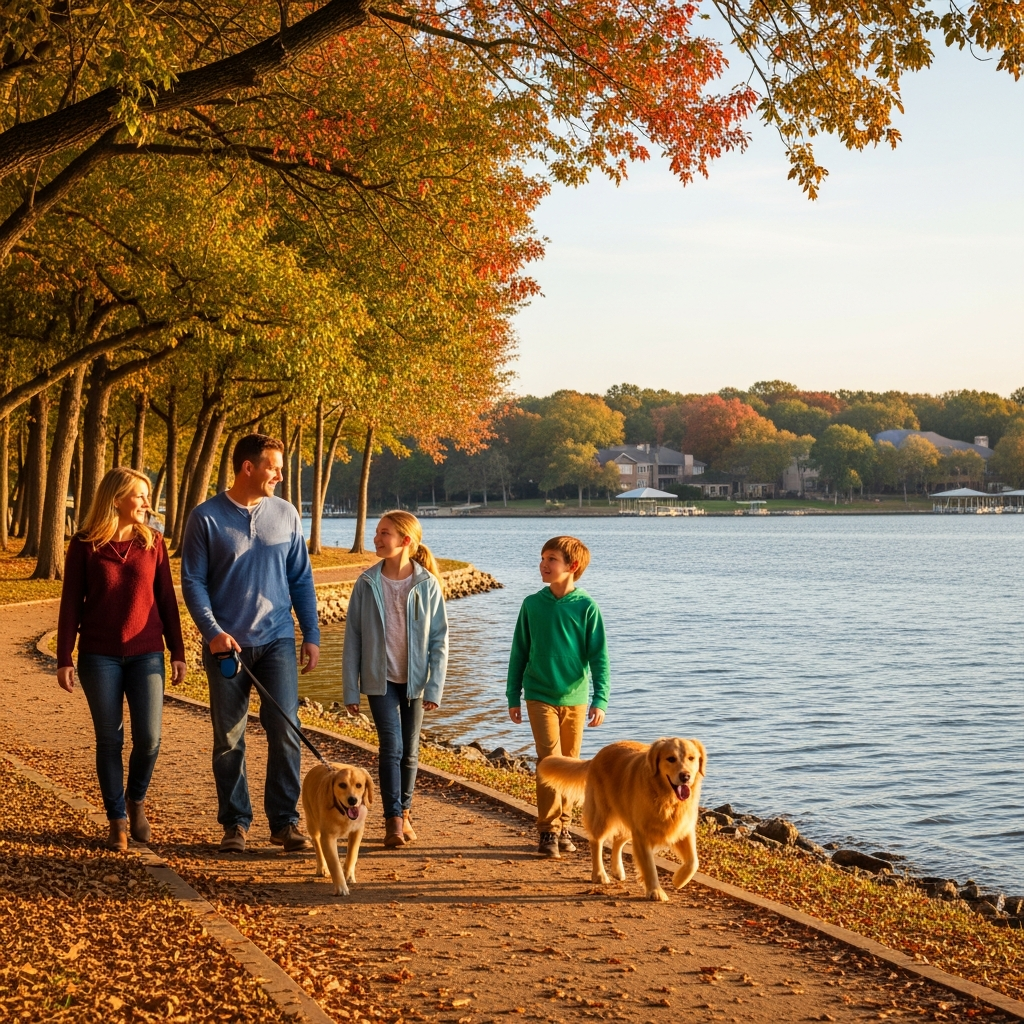
Walking Trails: The Good, Bad, and Muddy
The main loop trail is gorgeous, but it gets swampy after rain – we’re talking days, not hours. Those cute little bridges? They get slippery as ice when wet. I’ve seen more than one person take an undignified tumble.
The trail markers are somewhat helpful, but honestly, following the well-worn path works better than trying to decipher the faded signs. Stick to the main routes until you’ve got your bearings. Getting lost in your own neighborhood is… well, it’s happened to more of us than care to admit.
Dawn and dusk are prime times – not just for the scenery, but because the Texas heat can be brutal otherwise. Bring water. Always. Even for what seems like a quick walk.
The WiFi Situation (Let’s Be Real About It)
You’re going to hear about the community WiFi in the clubhouse and pool areas, and honestly? It’s… inconsistent. Some days it’s great for checking emails or scrolling Instagram. Other days you’ll find yourself doing that awkward phone-lift dance, trying to catch a signal.
The reality is that with so many people using it – especially during peak hours when everyone’s kids are streaming videos while parents try to work – things get sluggish. I’ve seen people get genuinely frustrated trying to join video calls from the poolside.
Here’s what actually works: Download what you need before you head over. If you’re planning to work from the clubhouse, have a backup plan with your phone’s hotspot. And for the love of all things holy, don’t try to upload your vacation photos to the cloud during Saturday pool parties. The bandwidth just isn’t there.
Booking Wars (And How to Win Them)
Oh, the drama that unfolds every month when the new booking calendar opens up. It’s like trying to get concert tickets sometimes – especially for the party room during birthday season or the fire pit areas on perfect weather weekends.
The system opens bookings exactly 30 days out, and I swear some residents have this marked on their calendars with military precision. By noon that first day? Good luck finding a Saturday evening slot for anything.
The insider move: Be flexible with your timing. Thursday evening fire pit sessions are just as magical as Saturday ones – actually, they’re often better because you’re not competing with three other groups for space. Mid-morning pool parties for kids’ birthdays? Everyone thinks they need that 2-6 PM slot, but 10 AM to 2 PM often works better anyway (kids are less cranky, parents aren’t scrambling with nap schedules).
Also – and this might sound obvious – actually show up if you book something. The no-show rate is surprisingly high, which just makes everything more frustrating for everyone else.
The Great Parking Predicament
Let’s talk about what nobody wants to acknowledge: there’s never enough parking during popular events. The math just doesn’t work. They designed the parking for normal daily use, not for when the entire neighborhood decides to hit the pool on the first 85-degree day of spring.
You’ll drive around that loop three times, getting increasingly annoyed, while your kids ask “Are we there yet?” from the backseat. I’ve been there. We’ve all been there.
What I’ve learned works: Walk or bike when possible – it’s honestly faster than circling for parking sometimes. If you’re driving, aim for off-peak times. That gorgeous evening swim session everyone wants? Try morning instead. The pool’s just as wet, the sun’s just as warm, and you’ll actually find a parking spot.
For events, consider carpooling with neighbors. I know, I know – it requires coordination and you lose some flexibility. But it beats the alternative of parking four blocks away and trudging over with pool bags and cranky children.
Maintenance Windows (When Everything’s Closed)
This one catches people off guard constantly. Equipment breaks down – pools need servicing, fitness equipment needs repairs, the fire pits need cleaning. Usually this happens at the most inconvenient possible moment, like right when you’ve finally carved out time for that workout you’ve been promising yourself.
The communication about these closures is… let’s call it “developing.” Sometimes you’ll get plenty of notice. Other times you’ll show up to find an “Out of Order” sign and wonder if it’ll be fixed today or next month.
Your best defense: Follow the community social media pages religiously. Residents often post updates faster than official channels. Have backup plans – if the main pool’s closed, maybe it’s a great day to explore those walking trails you keep meaning to try. Think of it as the universe pushing you toward something different… even if that something is reluctantly doing yoga videos in your living room instead of using the fitness center.
The key is managing expectations. These amenities are wonderful, but they’re not a resort – they’re community resources with real-world limitations and occasional hiccups.
What You Can Actually Expect (And When)
Look, I get it – you’re excited about all these amenities, and honestly? You should be. But let’s have a real conversation about what “coming soon” actually means in community development time.
If you’re moving into Phase 1, you’re basically the pioneers here. The sales team might’ve shown you gorgeous renderings of the clubhouse and pool area, but here’s the thing – those beautiful facilities typically come online when the community reaches about 60-70% buildout. That’s not next month. We’re talking 18-24 months, sometimes longer if there are permit delays or weather issues.
The fitness center and resort-style pool? Usually among the last amenities to open because, frankly, they’re expensive to maintain and the developer wants to make sure there’s enough of a community to support them. Think of it like opening a restaurant – you don’t want to be paying staff and utilities for three customers.
The walking trails, though… those often get completed in phases as different sections of the community develop. You might find yourself with half a mile of beautiful paved trail that just… stops. It’s oddly anticlimactic, but that’s totally normal.
The Reality of Phased Development
Here’s what I’ve learned from families who’ve been through this before – and trust me, I’ve heard all the stories over coffee at various community events.
Phase 1 residents often become incredibly tight-knit because, well, you’re all figuring it out together. No established social groups, no “we’ve always done it this way” attitudes. It’s like being founding members of a club, which has its perks and its challenges.
The dog park? Usually one of the first amenities to get finished because it’s relatively simple and keeps residents happy while they’re waiting for the bigger stuff. Smart developers know that happy dog owners make for positive word-of-mouth marketing.
But here’s where it gets interesting – sometimes amenities evolve based on what the community actually wants rather than what was originally planned. I’ve seen communities swap out tennis courts for pickleball courts (because, let’s be honest, pickleball is having a moment), or add food truck nights when the planned restaurant space sat empty.
Your Role in Shaping Things
This is where living in a developing community gets exciting, actually. You’re not just moving somewhere – you’re helping create something.
Most developers are surprisingly receptive to resident input during the early phases. They want to build amenities people will actually use. So if you and your neighbors are passionate about something specific… speak up. Attend those community meetings (yes, even the boring ones). Join the HOA board if you can stomach it.
I know a woman in Frisco who successfully lobbied for a dedicated senior fitness area in their clubhouse because she noticed how many active older adults were moving into their community. Another family pushed for covered playground equipment after realizing how brutal Texas summers are for parents trying to supervise kids outdoors.
Managing the In-Between Time
While you’re waiting for amenities to come online, you’re going to need alternatives. And honestly? This is where Travis’s location really shines.
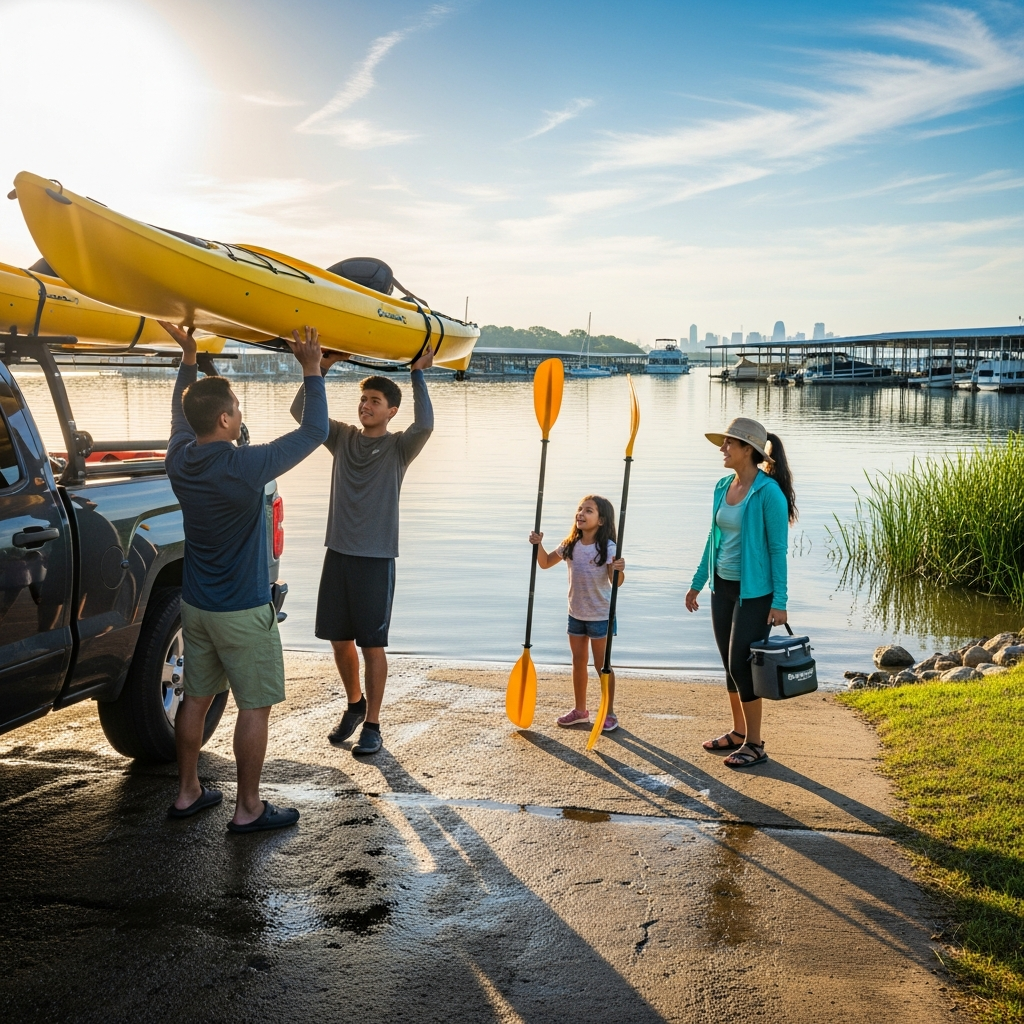
The city’s existing parks and rec facilities become your temporary clubhouse. Lake Travis for water activities, the various trail systems for hiking and biking, local sports leagues for staying active. It’s not ideal, but it’s definitely workable.
Many developing communities organize informal groups – walking clubs that meet at nearby trails, book clubs in people’s homes, potluck dinners in garages. These often become the backbone of community culture long after the official amenities open.
The HOA Transition Timeline
Here’s something most people don’t think about – eventually, you’ll need to take over management of all these beautiful amenities from the developer. This usually happens when the community reaches substantial completion, and suddenly you and your neighbors are responsible for maintaining that resort-style pool and fancy clubhouse.
It’s not scary, but it does mean HOA fees typically increase once the transition happens. Budget for it. The developer’s been subsidizing some of those maintenance costs, and that gravy train doesn’t last forever.
The good news? By then, you’ll have a established community of people who care about keeping things nice. You’ll have figured out what works and what doesn’t. And honestly, resident-managed communities often run more efficiently than developer-managed ones because, well, it’s your money being spent.
Stay patient, stay engaged, and remember – you’re not just buying a house, you’re helping build a neighborhood.
You know what strikes me most about everything we’ve covered here? It’s not really about the pools or the trails or even that gorgeous clubhouse – though those are pretty amazing. It’s about how all these pieces fit together to create something bigger. A place where your morning coffee tastes better because you’re sharing it with neighbors who’ve become friends. Where your kids don’t just get exercise, they get adventures. Where “home” extends way beyond your front door.
I get it, though. Reading about amenities is one thing – actually picturing yourself using them, making memories there… that’s different. Maybe you’re wondering if the fitness center would actually motivate you to work out (spoiler alert: it probably will). Or if your teenagers would roll their eyes at family pool days (they might, but they’ll still show up). These are the real questions, aren’t they?
Here’s what I’ve learned from talking to families who’ve made Travis Ranch their home: the amenities aren’t just nice-to-haves. They’re the backdrop for the life you want to live. That walking trail becomes your daily meditation. The community events? They’re where you’ll meet the friend who brings you soup when you’re sick. The pools are where your kids will learn to be brave, diving off the deep end for the first time.
And honestly, some days you won’t use any of it. Some evenings you’ll just want to sit on your porch with a book. But knowing it’s all there – that playground for when the grandkids visit, that clubhouse for your daughter’s graduation party, those tennis courts for when you finally decide to pick up that racket again… it changes how you feel about where you live.
The maintenance-free lifestyle means more than not mowing lawns (though let’s be honest, that’s pretty sweet too). It means more Saturday mornings free for farmers market runs. More energy for the things that actually matter to you. More time to enjoy all these amazing amenities we’ve talked about.
Look, I could keep going – there’s always another detail, another way these amenities connect to create community. But maybe you’re ready to see it for yourself? To walk those trails and peek into that fitness center and imagine your own family BBQ by the pool?
If any of this resonates with you, don’t hesitate to reach out. Whether you want to schedule a tour, ask about specific amenities, or just chat about what life here really feels like day-to-day, I’m here. No pressure, no sales pitch – just honest conversation about whether Travis Ranch might be the right fit for your family.
Because here’s the thing: choosing where to live isn’t just about square footage or school districts (though those matter too). It’s about finding that place where you can exhale. Where coming home feels like the best part of your day. Where the amenities aren’t just features on a list, but the foundation for the life you want to build.
That’s what we’re really talking about here. That’s what makes all the difference.