How Travis Ranch Has Grown Over the Past 10 Years

You know that feeling when you’re driving through a familiar neighborhood and suddenly think, “Wait… was that coffee shop always there?” It’s like your brain does a double-take, trying to reconcile the place you *remember* with what’s actually in front of you.
That’s exactly what happens when longtime Travis Ranch residents bring friends through the community these days. They’ll point toward what used to be an empty field and say, “See that whole shopping center? Ten years ago, that was just… grass.” Their friends nod politely, but honestly? They can’t quite picture it.
And if you’re newer to the area – maybe you moved here in the last five years or you’re still house hunting – you might wonder what all the fuss is about. This place feels pretty established, right? The parks look mature, the restaurants seem like they’ve been serving the community forever, and surely that gorgeous trail system has always been there…
Actually, no. Not even close.
Travis Ranch has undergone the kind of transformation that would make those home renovation shows jealous. We’re talking about a community that’s basically reinvented itself – not once, but continuously – over the past decade. And here’s the thing that might surprise you: it’s still happening. Right now, as you’re reading this, there are probably bulldozers moving dirt for the next big thing.
But this isn’t just about construction and commerce (though we’ll definitely get into the shopping centers that seemed to pop up overnight and the restaurants that had grand opening lines stretching around the block). It’s about how a community grows up. How families plant roots. How neighbors become… well, actually neighborly.
See, when you’re living through change day by day, it’s easy to miss the bigger picture. You adapt to the new traffic pattern, you discover the grocery store that opened last month, you find a shortcut through the neighborhood that definitely wasn’t there last year. But step back and look at the whole thing? It’s pretty remarkable.
I’ve been watching this transformation unfold – sometimes from my kitchen window, sometimes while walking the dogs (who, by the way, have very strong opinions about construction noise), and sometimes just by paying attention to the conversations at school pickup or the farmers market. And what I’ve noticed is this: Travis Ranch hasn’t just grown. It’s evolved.
The numbers tell part of the story – we’re talking about population increases that would make city planners either excited or terrified, depending on their personality. New businesses, new amenities, new everything. But the real story? That’s in the details. It’s in how the community figured out traffic flow when suddenly everyone needed to get everywhere at once. It’s in how longtime residents and newcomers found ways to blend their different visions of what this place should be. It’s in the growing pains that nobody really talks about but everyone experiences.
You know what’s funny? Some of the biggest changes aren’t even visible anymore. They’ve become so much a part of the landscape that they feel permanent. That beautiful library everyone loves? Brand new within the past decade. Those well-established youth sports leagues that seem like they’ve been around forever? Most of them started from scratch in the last ten years, with parents huddled around folding tables trying to figure out how to organize a season.
Over the next few minutes, we’re going to walk through this transformation together. We’ll look at the obvious stuff – the buildings and businesses that changed the skyline. But we’ll also dig into the subtler shifts… the way the community’s personality evolved, how daily life changed for families, and what all this growth actually means for people trying to make a life here.
Whether you’ve been here since the beginning and want to reminisce about “the way things were,” or you’re new and curious about how this place became what it is today, or you’re still deciding if Travis Ranch might be home – this story matters. Because understanding where we’ve been? That’s how we figure out where we’re going.
And trust me, we’re definitely still going somewhere.
What Makes a Community Actually Grow (Hint: It’s Not Just Houses)
You know how when you plant a garden, some things just… take off? While others – despite your best efforts and that expensive fertilizer – barely budge? Communities work the same way, and honestly, predicting which ones will flourish is about as reliable as weather forecasting.
Travis Ranch’s growth story isn’t just about counting new rooftops or tracking population numbers (though we’ll get to those). It’s more like watching a snowball roll downhill – except this snowball picked up families, businesses, parks, and that surprisingly good taco truck along the way.
The Infrastructure Dance
Here’s something that sounds boring but is actually fascinating: infrastructure growth is like a really complicated dance. You can’t just throw down roads and expect people to show up – but you also can’t wait for people to arrive before building the roads. It’s this chicken-and-egg situation that keeps city planners up at night.
Travis Ranch got this timing… well, mostly right. The developers seemed to understand that people need more than just a place to park their cars. They need places to grab milk at 9 PM, spots where kids can burn off energy, and – this is crucial – ways to get to work without wanting to throw their steering wheel out the window.
The master-planned approach here meant laying groundwork for growth before it actually happened. Think of it like setting up a really good party – you need the music, the snacks, and the space ready before your guests arrive. Otherwise, people show up to an empty house with nothing to do.
The Ripple Effect of “Good Enough”
Something counterintuitive about community growth: it doesn’t need to be perfect to work. It just needs to be *good enough* in the right ways. Travis Ranch hit that sweet spot where the schools were decent, the commute was manageable, and the neighborhoods felt… safe? Established?
Actually, that’s hard to pin down. There’s this intangible quality that makes a place feel like somewhere you’d want to stick around. Maybe it’s wide sidewalks, or mature trees, or the fact that people actually walk their dogs and wave to neighbors. Whatever it is, Travis Ranch seemed to bottle it early on.
This created what economists call a positive feedback loop – though they make it sound much more complicated than it is. Good families move in, which attracts good businesses, which makes the area more desirable, which attracts more good families. It’s like compound interest, but for neighborhoods.
The Economics Nobody Talks About
Here’s where things get a bit messy. Growth isn’t just about more people wanting to live somewhere – it’s about more people being *able* to live somewhere. And that’s tied to job markets, interest rates, gas prices, and a dozen other factors that most of us don’t think about until they smack us in the face.
Travis Ranch benefited from timing that was part strategy, part luck. The Austin job market was expanding, but housing prices hadn’t gone completely bonkers yet. People could still afford to move here without selling a kidney. That window – between “affordable” and “discovered by everyone else” – is usually pretty narrow.
The community also had something you don’t see everywhere: room to breathe. Not just physically (though those lot sizes didn’t hurt), but economically. There was space for different types of housing, different income levels, different family situations. Cookie-cutter communities often struggle because they’re too… uniform. Too predictable.
Reading the Tea Leaves
Growth patterns are weird. Sometimes a community explodes overnight – usually because of some external factor like a major employer moving in. Other times, it’s this slow, steady climb that nobody really notices until they look back and think, “Huh, when did all this happen?”
Travis Ranch falls into that second category. The growth has been consistent rather than dramatic, sustainable rather than explosive. Which, honestly, is probably better for everyone already living here. Nobody wants to wake up one day and not recognize their own neighborhood.
The trick is understanding that growth isn’t just about numbers – it’s about character. And character… well, that’s something you either build intentionally or hope develops accidentally. Travis Ranch seems to have done a bit of both.
Making the Most of Our Newer Neighborhoods
If you’re considering a move within Travis Ranch – or you’re new to one of the developments that sprouted up in the last five years – here’s what I wish someone had told me when we first started exploring beyond the original area.
The newer sections (you know, past Brookstone and toward the eastern edge) tend to have slightly different HOA rules. Don’t assume they’re the same as the established neighborhoods. I learned this the hard way when my neighbor got a friendly notice about their basketball hoop placement – apparently the newer covenants are a bit more specific about recreational equipment. Takes five minutes to check with the HOA office, but it’ll save you potential headaches down the road.
Here’s a insider tip: the best way to really understand your new neighborhood’s personality is to walk it during different times of day. Early morning dog walkers? That tells you something. Kids riding bikes after school? Different vibe entirely. I’ve noticed the neighborhoods built after 2018 tend to skew younger with families, while the 2015-2017 developments attracted more empty nesters. Neither’s better – just different rhythms.
Navigating the Infrastructure Growing Pains
Let’s be honest – rapid growth isn’t always seamless, and Travis Ranch has had its share of… let’s call them “character-building moments” over the past decade.
The water pressure issues that plagued some areas around 2019-2020? Most of those are resolved now, but if you’re in one of the affected zones, keep the utility department’s number handy. They’re actually pretty responsive once you know the right person to call – ask for Maria in customer service. She knows which areas still occasionally have quirks.
Traffic patterns have shifted dramatically, especially during school hours and evening rush. The main entrance gets backed up now between 7:15-7:45 AM and again around 5:30 PM. But here’s what most people don’t realize: there are three alternate routes that barely anyone uses. The entrance by the community garden? Almost always clear. The one near the tennis courts? Same story. Sometimes the path less traveled really is… well, less traveled.
Building Relationships Across the “Old” and “New” Areas
There’s this subtle divide that can happen in growing communities – the “we’ve been here since the beginning” crowd versus the “new arrivals.” And honestly? It’s silly, but it exists.
The best way I’ve found to bridge this gap is through the community events. The monthly farmers market draws people from across all the developments, and there’s something about discussing tomato varieties that makes property lines seem pretty irrelevant. The book club that meets at the community center rotates locations between different neighborhoods – brilliant way to see how others have made their spaces work.
Actually, that reminds me – if you’re looking to connect with your specific neighborhood’s rhythm, volunteer for one small thing. Doesn’t have to be a big commitment. Help with the holiday decorating committee, or offer to water plants at the mailbox clusters when people travel. You’ll learn more about your immediate area in two months of small volunteering than in a year of just living there.
Taking Advantage of Amenities That Actually Deliver
Not all amenities are created equal, and after ten years of growth, some have emerged as genuine gems while others are… well, nice in theory.
The expanded fitness center that opened in 2021? Actually worth the small additional fee if you live within walking distance. But the “community business center” they added? I’ve seen maybe three people use it in two years.
The dog parks, though – those are success stories. Especially the newer one with the separate small dog area. Morning regulars there form a surprisingly tight community. If you have a pup, that’s honestly one of the fastest ways to feel plugged in.
The pool situation has gotten more complex with growth. The original pool gets crowded on weekends, but the newer recreational pool (the one with the splash area) tends to be calmer during adult swim times. And here’s a secret: Tuesday and Thursday evenings after 6 PM? Either pool is usually pretty peaceful.
Planning for Continued Changes
Travis Ranch isn’t done growing – there are at least two more phases planned over the next few years. Which means if you’re thinking long-term, consider how continued development might affect your daily life.
Property values have been climbing steadily, but they’re also becoming less predictable as the community’s character continues to evolve. The houses closest to the nature preserve have held value best, while the ones near future development zones are harder to gauge.
The Growing Pains Nobody Talks About
Let’s be honest – living through Travis Ranch’s transformation hasn’t been all Instagram-worthy sunsets and perfectly manicured lawns. Sure, we’ve got amazing new amenities and our property values have climbed steadily, but… well, growth comes with its own set of headaches.
The traffic situation? It’s real. What used to be a peaceful five-minute drive to the main road now involves strategic timing and – if you’re unlucky – sitting behind three other neighbors at the stop sign during morning rush. I’ve started keeping a travel mug of coffee in my car because, honestly, some days it takes twice as long to get anywhere.
And don’t get me started on construction noise. We’ve all had those mornings where you’re jolted awake by bulldozers at 7 AM sharp (because apparently that’s when it becomes “acceptable” to start heavy machinery). Your kids are cranky, your dog is hiding under the bed, and you’re wondering if this whole “growing community” thing was such a great idea after all.
When Everyone Wants the Same Things
Here’s something they don’t mention in those glossy community brochures – popularity breeds competition. Remember when you could casually stroll into the community center on a Saturday morning and snag a good spot for yoga? Those days are… let’s call them vintage.
Now it’s like trying to get concert tickets. The tennis courts book up weeks in advance, the pool area feels crowded on weekends, and good luck getting your preferred time slot for anything during peak hours. It’s not anyone’s fault, really – we just have more people wanting to use the same great amenities that drew us here in the first place.
The parking situation at community events has become its own little adventure. What used to accommodate everyone comfortably now has folks circling the block or walking several streets over. Not exactly the end of the world, but it does require some… adjustment in expectations.
Practical Solutions That Actually Work
So what’s a Travis Ranch resident to do? Well, I’ve learned a few tricks over the years – some through trial and error, others from neighbors who’ve figured out the system.
Timing is everything. I’ve become a master of off-peak living. Grocery runs at 2 PM instead of 6 PM. Pool time on weekday afternoons rather than Saturday mornings. Tennis at 7 AM instead of 10 AM (okay, that one took some getting used to, but the courts are pristine and it’s surprisingly peaceful).
For the construction noise issue, I invested in a good white noise machine and learned to embrace the afternoon nap when morning sleep gets interrupted. Actually, that reminds me – several neighbors have started a informal text chain to give each other heads up about major construction days. It’s not official, but it helps.
The booking game requires strategy. Most community amenities open their booking systems at specific times – usually online. Set a phone reminder. Treat it like you’re buying Taylor Swift tickets. Book your regular spots as far in advance as allowed, then you can always cancel if plans change.
Building Community in the Chaos
Here’s what’s interesting though – some of our best neighborhood connections have come from shared frustrations. Waiting in traffic together, commiserating about construction noise, or laughing about the great parking hunt of summer 2023… it’s created unexpected bonds.
We’ve started neighborhood carpooling for events (fewer cars, easier parking, and you get to know your neighbors better). Some folks have begun hosting smaller gatherings at home instead of always competing for community spaces. It’s not a perfect solution, but it’s created a different kind of community connection.
The truth is, growing pains are temporary – but they’re also inevitable. Every thriving community goes through this awkward adolescent phase where demand outpaces infrastructure, where popularity creates new challenges nobody anticipated.
What I’ve learned is that flexibility and patience go a long way. And maybe keep a good book in your car for those unexpected traffic delays… you might actually enjoy the forced slow-down more than you’d expect.
What’s Coming Next – The Realistic Timeline
Here’s the thing about community development – it’s not like watching a Netflix series where everything gets resolved in neat episodes. Travis Ranch’s growth over the next decade? It’s going to be more like a slow-cooked stew than microwave popcorn.
Based on what we’ve seen in similar communities (and let’s be honest, what the city planners actually have funding for), you’re looking at another 7-10 years before the major infrastructure pieces fall into place. That new elementary school everyone’s talking about? Probably 2027 at the earliest. The expanded retail center that’ll finally give us a decent grocery store? Think 2029-2030.
I know, I know – that feels like forever when you’re driving 15 minutes just to grab milk. But here’s what I’ve learned after watching communities grow… the wait is usually worth it. The alternative is rushed development that leaves you with strip malls nobody wants and schools that are overcrowded before they’re even finished.
Managing Your Expectations (Without Crushing Your Dreams)
Let me paint you a realistic picture of what “normal” looks like during this growth phase. You’re going to have construction noise. Lots of it. Some mornings you’ll wake up to the lovely sound of jackhammers at 7 AM sharp – because apparently, that’s when the workday starts in construction land.
The traffic patterns you’ve gotten used to? They’re going to change. Probably multiple times. That back route you discovered to avoid the main drag? Everyone else will find it too, and suddenly it’s not so secret anymore.
Your property values will likely continue their upward trend – but don’t expect the dramatic jumps we saw in 2021-2022. We’re talking steady, sustainable growth now. Maybe 4-6% annually if we’re lucky and the broader economy cooperates.
And those amenities that are “coming soon”? Add about 18 months to whatever timeline you hear at the community meetings. It’s not that anyone’s lying – it’s just that permits take forever, weather delays happen, and supply chains still haven’t fully recovered from… well, everything that’s happened lately.
The Infrastructure Reality Check
The city’s 10-year master plan looks impressive on paper, but funding is another story entirely. The reality is that infrastructure improvements happen in phases – and some phases get more attention (and budget) than others.
First priority is always the stuff you can’t see but absolutely need – water lines, sewage systems, electrical grids. Not sexy, but essential. This work is already underway and should wrap up by 2026, which means… yes, more construction disruption in the short term.
The prettier stuff – parks, walking trails, that community center we’ve all been dreaming about – typically comes in phase two or three. Don’t hold your breath for 2025, but 2028-2030 is realistic.
Your Role in All This (It’s Bigger Than You Think)
Here’s something most people don’t realize: your voice actually matters in how this growth unfolds. Those community planning meetings that seem boring? They’re where decisions get made. The city council members making these calls? They live here too, and they read their emails.
If you want that dog park everyone keeps mentioning, speak up at the next meeting. Want better traffic management during rush hour? There’s a survey coming out next month – fill it out. Feel strongly about preserving some of the open space before it all gets developed? Join the residents’ committee.
I’m not saying you’ll get everything you ask for (this isn’t a genie situation), but communities that stay engaged tend to get better outcomes than those that just wait and hope for the best.
Making Peace with the Process
The hardest part about living in a growing community isn’t the construction dust or the detours – it’s the uncertainty. Not knowing exactly when your life will return to “normal” or what that new normal will look like.
But here’s what I’ve observed: the communities that handle growth best are the ones that embrace it as an adventure rather than enduring it as an inconvenience. Your kids will have stories about watching their neighborhood transform. You’ll meet neighbors you might never have crossed paths with otherwise.
And someday – probably sooner than you think – you’ll be the longtime resident explaining to newcomers how different everything used to be. Trust me, it’s a pretty good feeling.
Looking Forward Together
You know what strikes me most about all these changes we’ve witnessed? It’s not really about the new buildings or updated amenities – though those are pretty fantastic. It’s about how this community has managed to grow without losing its heart.
I remember chatting with longtime resident Martha Chen at last year’s farmers market, and she said something that’s stuck with me: “Travis Ranch doesn’t just add things… it adds the *right* things.” She was talking about how the walking trails connect seamlessly with the original neighborhoods, how the new community garden sits right next to the playground where kids have been playing for years. That’s intentional growth – the kind that honors what came before while embracing what’s possible.
And honestly? That’s become our superpower around here.
We’ve seen property values rise (which is great for homeowners, though we know it brings challenges too). We’ve watched local businesses flourish – some expanding, others opening their doors for the first time. The demographic shifts have brought fresh energy and perspectives, while our established families continue to be the backbone of so many traditions and community initiatives.
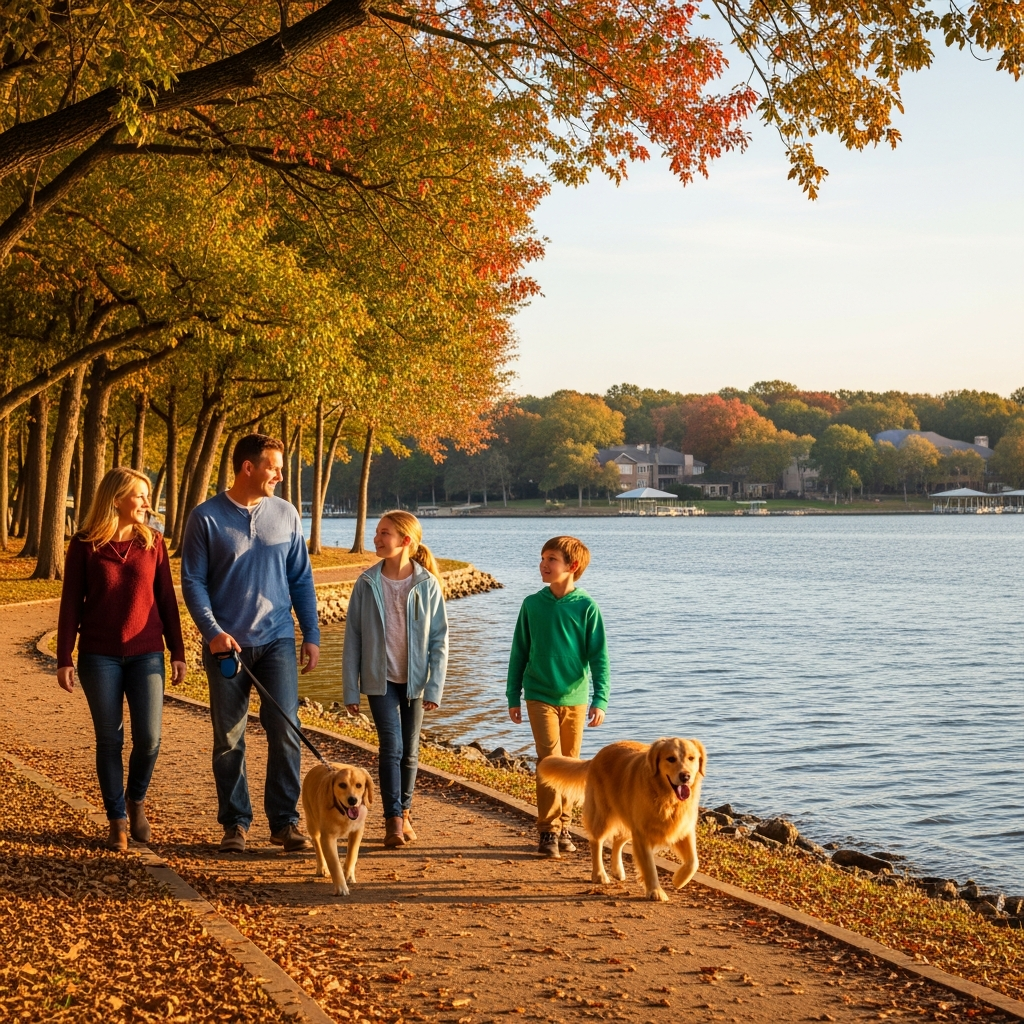
But here’s what I find most encouraging… through all these changes, people still wave when they’re out walking their dogs. Kids still ride their bikes in packs through the neighborhoods – though now they’ve got more parks to explore. The community potlucks have gotten bigger, sure, but they haven’t lost that feeling of “everyone’s welcome at the table.”
The infrastructure improvements have been huge – faster internet, better drainage, updated facilities – but what really matters is how these upgrades have strengthened the connections between us. The new community center isn’t just a building; it’s where book clubs meet, where teenagers hang out after school, where neighbors gather during emergencies.
Speaking of connections… if you’re feeling a bit overwhelmed by all the growth, or maybe you’re new to the area and wondering how to plug in, you’re definitely not alone. Change – even positive change – can feel unsettling sometimes. Maybe you’re a longtime resident who misses the “old days,” or perhaps you’ve just moved here and everything feels unfamiliar.
That’s completely normal, and honestly? It’s one of the reasons I love writing about our community so much.
If you’re struggling to find your place in our evolving neighborhood, or if you have questions about local resources, upcoming developments, or just want to connect with someone who gets it – please don’t hesitate to reach out. You can drop me a line anytime, and I mean that. Whether you need help finding a good family doctor, want recommendations for kid-friendly activities, or simply want to chat about what makes Travis Ranch special… I’m here for it.
Because at the end of the day, all this growth and change? It’s only meaningful if we’re all growing together. And from where I sit, watching neighbors help neighbors navigate everything from new traffic patterns to finding the best local coffee… we’re doing exactly that.
Our little corner of the world keeps getting better, one conversation at a time.