Hidden Outdoor Gems Near Lake Ray Hubbard

You know that feeling when you’re scrolling through Instagram on a Sunday afternoon, watching everyone else live their best outdoor life while you’re… well, still in pajamas wondering where all these gorgeous spots even *are*? I get it. You want to be that person posting sunset photos from some magical lakeside spot, but honestly? Most of the “hidden gems” articles you find online are either tourist traps disguised as secrets or places so remote you’d need a sherpa and three days of supplies just to get there.
Here’s the thing about Lake Ray Hubbard, though – and I’m speaking as someone who’s spent way too many weekends driving aimlessly around East Texas looking for that perfect spot. This 22,000-acre lake sitting right there between Dallas and Rockwall isn’t just about the obvious stuff. Sure, everyone knows about the main marinas and the big parks. But tucked away around its 40-some miles of shoreline? There are places that’ll make you forget you’re just 30 minutes from downtown Dallas.
I’m talking about that secluded cove where you can actually hear yourself think… the trail that leads to a view that looks like it belongs in a nature documentary, not suburban Texas… the little fishing spot where locals have been coming for decades but somehow never made it onto anyone’s “must-visit” list.
You’ve probably driven past some of these places a hundred times. Maybe you’ve even wondered about that gravel road that disappears into the trees, or noticed cars parked in what seems like the middle of nowhere and thought, “What do they know that I don’t?”
Well, turns out – quite a bit, actually.
The frustrating part about discovering outdoor spaces around here isn’t that they don’t exist. It’s that they’re often hiding in plain sight, tucked behind residential developments or accessible only through word-of-mouth knowledge that gets passed down like family recipes. And let’s be honest – who has time to play detective when you just want to spend your free Saturday somewhere beautiful?
That’s where things get interesting, though. Because once you start peeling back the layers around Lake Ray Hubbard, you realize this area is basically an outdoor playground that’s been keeping its secrets surprisingly well. We’re talking about spots where you can kayak through cypress groves that feel like something out of Louisiana… trails where you might spot a great blue heron without fighting crowds… fishing holes that the old-timers still whisper about.
And here’s what I love most about these places – they’re not trying to be anything other than what they are. No fancy visitor centers or admission fees or crowds of people taking selfies. Just authentic Texas outdoor experiences that happen to be incredibly convenient to real life.
I mean, think about it. How often do you find yourself saying “I wish I knew about more places to…” whatever it is you love doing outside? Hiking without feeling like you’re in a parade? Finding a spot to watch the sunset that doesn’t require a reservation? Taking the kids somewhere they can actually explore without you constantly saying “don’t touch that” or “stay on the path”?
Over the next few minutes, I’m going to walk you through some of these lesser-known spots – the ones that locals have been quietly enjoying while everyone else fights for parking at the popular destinations. We’ll talk about hidden trails that lead to unexpected views, quiet fishing spots where you might actually catch something, secluded beaches where you can spread out a blanket without bumping elbows with strangers, and those magical little pockets of nature that make you wonder why you ever thought you needed to drive hours to find outdoor adventure.
Some of these places require a short walk. Others, you can practically drive right up to. A few might challenge you a bit – but isn’t that half the fun?
The best part? Most of them are probably closer to your house than you think.
The Quiet Coves That Time Forgot
What Makes a Place Actually “Hidden” These Days
You know what’s funny? In our Instagram-everything world, finding truly hidden spots feels like searching for unicorns. I mean, someone’s probably already posted about that “secret” trail you discovered last weekend. But here’s the thing – hidden doesn’t always mean untouched by human feet. Sometimes it just means… overlooked.
Think of it like this: Lake Ray Hubbard sits there like the popular kid in high school, getting all the attention. Meanwhile, there are these amazing spots literally within walking distance that might as well be wearing invisibility cloaks. Maybe they don’t have the perfect sunrise selfie backdrop, or perhaps they require a bit more effort to reach. Sometimes they’re hiding in plain sight – that little grove of trees you drive past every day but never really *see*.
The Geography Actually Works in Our Favor
Lake Ray Hubbard sprawls across about 22,745 acres (which, honestly, is hard to picture until you’re driving around it for what feels like forever). But what’s really cool is how the lake creates this whole ecosystem of forgotten corners and in-between spaces.
The shoreline isn’t some perfect circle – it’s more like a jigsaw puzzle piece, with all these inlets, coves, and fingers of land poking out. Each one of those irregular edges? That’s potential hidden gem territory. The Army Corps of Engineers didn’t design this place for maximum Instagram potential… they designed it for flood control and water supply. Which means there are plenty of spots that are functionally important but not necessarily pretty in an obvious way.
Why Some Spots Stay Under the Radar
This might sound counterintuitive, but sometimes the best outdoor experiences are found in places that don’t immediately scream “outdoor paradise.” I’ve learned this the hard way – you know how you’ll drive past a patch of woods for months, assuming it’s just… woods? Then one day you finally explore it and discover this incredible network of informal trails, or a little clearing where deer gather at dusk.
The thing is, we’re kind of programmed to look for the obvious stuff. Designated parks with signs and parking lots feel safe, predictable. But the spaces between the official spots – the utility easements, the transition zones between developed and wild areas, the forgotten corners of old ranch properties – these places often hold the most surprises.
Access Rights and the Fine Print
Okay, let’s talk about something that trips up a lot of people: just because you can see a beautiful spot doesn’t mean you can legally access it. It’s like window shopping, but for nature. Frustrating? Absolutely.
Texas has some quirky property laws, and the area around Lake Ray Hubbard is a patchwork of public, private, and quasi-public spaces. Some areas that look completely wild are actually on private property. Others might be public land but only accessible through private property – which doesn’t help you much unless you’re friends with the landowner.
The good news is there are legitimate ways to explore beyond the obvious spots. You just need to know how to read the landscape… and sometimes how to politely ask permission.
Timing Changes Everything
Here’s something I wish someone had told me earlier: the same spot can feel completely different depending on when you visit. That muddy, mosquito-infested area in July? It might transform into this peaceful winter walking spot where you can actually see the water through bare branches.
Weather patterns around the lake create these temporary opportunities too. After heavy rains, some areas become temporarily inaccessible but reveal new waterways and wildlife activity. During drought periods, you might discover sections of shoreline that are usually underwater.
The Local Knowledge Network
The real secret to finding hidden gems isn’t some special app or guidebook – it’s tapping into the network of people who’ve been quietly exploring this area for years. Dog walkers know the unofficial trails. Fishermen know the tucked-away access points. Photographers know which spots catch the light just right.
These folks aren’t necessarily keeping secrets maliciously. They’re just… living their lives, enjoying their spots. But most are happy to share if you approach them with genuine curiosity rather than demanding GPS coordinates.
Getting There Without the Tourist Trap Traffic
Here’s something most visitors don’t know – avoid Highway 66 on weekends like it’s the plague. Instead, take the back route through Fate using FM 740. You’ll cut your drive time in half and actually get to enjoy some gorgeous countryside views along the way. Plus, there’s this little farm stand about three miles in where they sell the most incredible peach preserves… but I’m getting off track.
For the best parking at East Fork Park, arrive before 8 AM or after 4 PM. Trust me on this one. The middle-of-the-day crowd can turn those gravel lots into a dust bowl nightmare, and you’ll end up hiking an extra quarter mile just to reach the trailheads.
What to Pack (Beyond the Obvious Stuff)
Everyone remembers water and sunscreen, but here’s what separates the smart outdoor folks from the ones limping back to their cars by noon. Bring a small towel – not for swimming, but for wiping down those limestone rocks before you sit. They collect dew like crazy, and soggy shorts aren’t fun for anyone.
Pack more snacks than you think you need. I’m talking double what seems reasonable. There’s something about that lake air that turns everyone into a bottomless pit, and the nearest convenience store might be further than your hangry family wants to walk.
A headlamp beats a flashlight every single time. You’ll want both hands free when you’re navigating those rocky shoreline areas as the sun sets. And speaking of sunsets… they happen fast out there, so don’t get caught scrambling in the dark.
Timing Your Adventures Like a Local
Early morning is magical – we’re talking first light, when the mist is still rising off the water. That’s when you’ll spot the great blue herons and maybe even catch a glimpse of those elusive river otters that everyone talks about but rarely sees. The fish are more active too, if you’re planning to throw a line in.
But here’s a secret the fishing guides don’t advertise: late afternoon storms actually create some of the best conditions. Once they pass through (and you’ve waited safely in your car), the fish go absolutely nuts. Something about the barometric pressure change… I don’t pretend to understand the science, but I’ve seen it work too many times to argue.
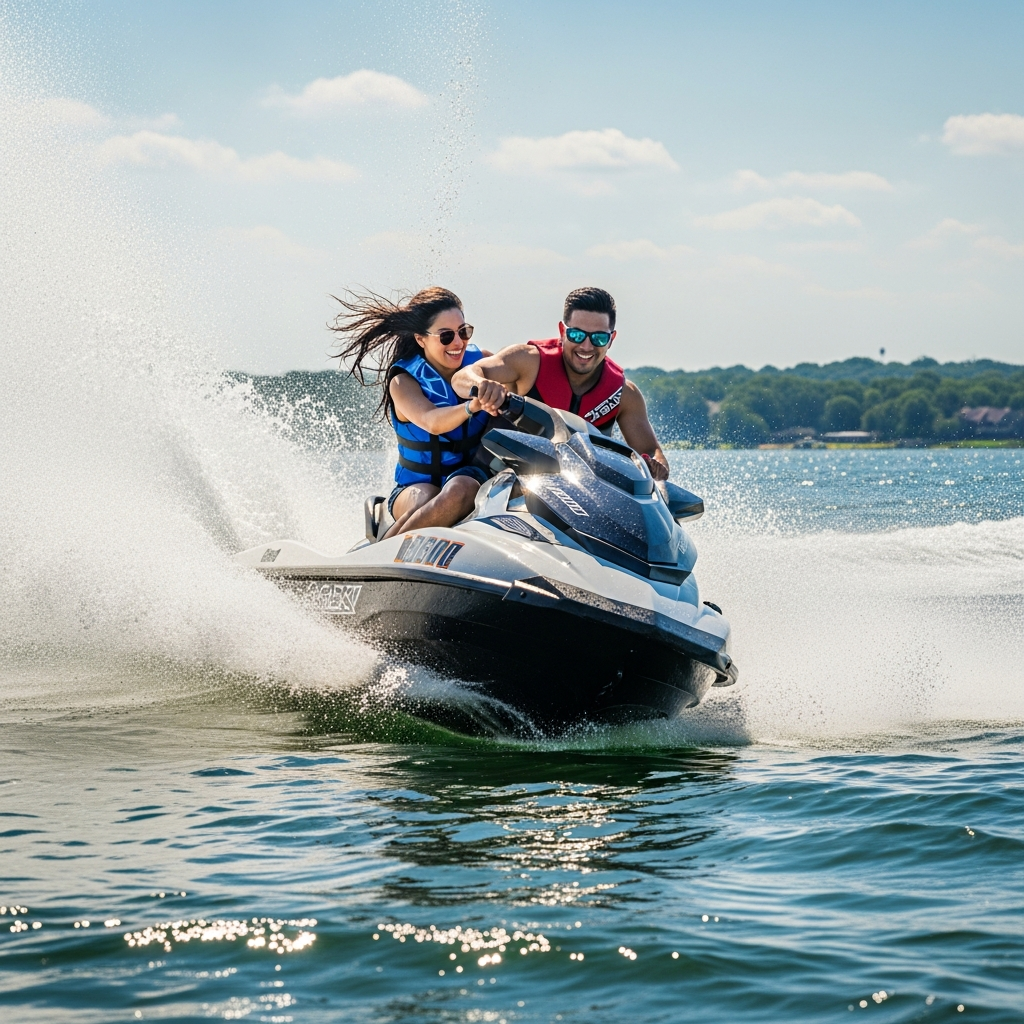
Weekdays are obviously less crowded, but if you’re stuck with weekend adventures, Sunday mornings are your sweet spot. Saturday brings the party boats and jet skis, but Sunday? People are either nursing hangovers or getting ready for the work week.
Making the Most of Hidden Spots
When you find those tucked-away coves and quiet beaches, respect them. Pack out everything – and I mean everything. That orange peel you think will “decompose naturally”? It takes six months, and wildlife will dig it up long before then.
Bring a small folding chair or stadium seat. Those perfect lakeside rocks look great in photos, but after an hour, your tailbone will be sending angry messages to your brain. A little cushioning goes a long way toward extending your outdoor bliss.
Here’s something most people miss – the best photo opportunities aren’t during peak sun. That harsh midday light washes out everything. Instead, wait for that golden hour before sunset when the water turns into liquid copper and every tree looks like it’s glowing from within.
Weather Wisdom That Actually Matters
Check the wind forecast, not just the temperature. A 15-mph wind can turn a peaceful lake day into a sandblasting experience, especially on the eastern shores where there’s less tree cover. WindAlert app gives you hourly predictions that are surprisingly accurate.
Summer thunderstorms roll in fast around here – I’m talking blue skies to lightning in twenty minutes. When you see those towering clouds building to the west, start heading back. Don’t be the person trying to outrun a storm in a kayak.
Winter actually offers some of the most spectacular views, but dress in layers you can adjust. That morning chill burns off quick once the sun hits the water, and you’ll go from shivering to sweating faster than you’d expect.
The lake level fluctuates more than you might think, especially after heavy rains or during drought periods. Check recent conditions online before planning that perfect beach picnic – your sandy spot might be underwater or a muddy mess.
When Nature Doesn’t Cooperate (And It Usually Doesn’t)
Let’s be honest – those Instagram-worthy outdoor photos you see? They don’t show the mosquito clouds, the parking nightmares, or that moment when you realize you’ve been hiking in circles for twenty minutes. Here’s what really happens when you venture out to explore these hidden gems around Lake Ray Hubbard.
The bug situation is… intense. Especially during those gorgeous spring and fall months when you actually want to be outside. The mosquitoes near the water can be absolutely relentless, and don’t get me started on the chiggers hiding in tall grass. I learned this the hard way during a sunset photography session at Harbor Point – came home looking like I had chicken pox.
Your best defense? Spray yourself down with a good DEET-based repellent before you even get out of the car. And here’s a trick most people don’t know: pack a small bottle of peppermint oil. Dab a little on your ankles, wrists, and behind your ears. Bugs hate it, and you’ll smell like a candy cane instead of a chemical factory.
The Great Parking Puzzle
You’d think finding a spot to park would be simple, right? Wrong. Some of these “hidden” gems have become not-so-hidden, especially on weekends. The popular fishing spots along the eastern shore turn into absolute chaos when everyone and their uncle decides Saturday morning is perfect for catching bass.
I’ve seen people circle for thirty minutes looking for parking at some of the smaller access points. Here’s what works: arrive really early (we’re talking sunrise early) or go during weekday evenings. That golden hour light is incredible anyway, and you’ll practically have the place to yourself.
Also – and this is crucial – download the AllTrails app or similar before you go. It shows real parking areas, not just the fantasy ones on Google Maps that turn out to be someone’s driveway.
Weather: Your Frenemy
Texas weather is basically a toddler having mood swings. One minute it’s perfect, the next you’re dealing with sudden storms, blazing heat, or those weird cold snaps that make you question everything about living here.
The lake creates its own microclimate too. It can be perfectly calm at your house and absolutely windy as heck once you get to the water. I’ve watched people show up for kayaking in shorts and tank tops, only to spend their time huddled and miserable because they didn’t check the actual conditions at the lake.
Check multiple weather sources – not just your phone’s default app. Weather Underground gives you hyperlocal conditions, and the Windy app shows you what’s actually happening on the water. Pack layers, always. That light jacket might seem ridiculous when you’re loading the car, but you’ll thank me later.
Trail Confusion and Getting Turned Around
Here’s something nobody talks about: a lot of these natural areas have… let’s call them “informal” trail systems. What looks like an obvious path might just be where deer like to walk, or where someone’s dog runs every morning.
The trails at places like Spring Creek Preserve can branch off in six different directions, and the signage is sometimes more like suggestions than actual guidance. I’ve seen families with young kids get genuinely lost trying to find their way back to the parking area.
Download offline maps before you go – seriously, don’t rely on cell service. Take a photo of any trail map you see at the entrance. And here’s my dad’s old Boy Scout wisdom: if you’re not sure which way you came from, sit down for five minutes and really look around. The familiar landmarks will usually click into place.
The Crowd Factor
Nothing ruins a peaceful nature moment quite like showing up to “your” secret spot only to find it packed with other people who apparently had the same brilliant idea. This is especially true during those perfect 75-degree days when all of North Texas decides to go outside simultaneously.
The solution isn’t to give up on these places – it’s to be strategic. Go during the week if possible, or try the less obvious access points. Sometimes walking an extra quarter-mile gets you away from the crowds entirely. And honestly? Early morning is magical anyway. There’s something about having coffee while watching the mist rise off the lake that beats sleeping in any day.
What to Expect When Visiting These Hidden Spots
Let’s be honest here – these aren’t Yellowstone or the Grand Canyon. You’re not going to find sweeping vistas that’ll make your Instagram followers weep with envy. But that’s actually the point, isn’t it?
Most of these hidden gems around Lake Ray Hubbard are… well, they’re quietly beautiful. The kind of places where you might spend twenty minutes just watching a great blue heron fish in the shallows, or find yourself genuinely surprised by a pocket of wildflowers you didn’t expect. Some days you’ll hit the jackpot – perfect weather, amazing wildlife sightings, that golden hour light hitting the water just right. Other days? It might be windy, the trails could be muddy, or you’ll arrive to find your secret fishing spot already claimed by someone else who clearly reads the same local blogs you do.
Weather’s going to be your biggest variable out here. Summer means starting early (I’m talking 6 AM early) or accepting that you’ll be pretty miserable by 10 AM. Spring and fall are your sweet spots – though you’ll want to check recent rain reports since some of the lesser-maintained trails can turn into genuine mud wrestling matches after a good downpour.
Planning Your First Visit (And Maybe Your Second)
Here’s the thing about exploring these spots – they reveal themselves slowly. That trail that seemed unremarkable on your first visit? Go back in a different season, at a different time of day, and it’s like discovering a completely new place.
Start with one area and really get to know it. I’d suggest picking either the Heritage Bay area or one of the Rockwall parks as your base camp. Spend a morning there, maybe grab lunch nearby, then hit another spot in the afternoon if you’re feeling ambitious. But honestly? You might find yourself wanting to just… stay put. There’s something to be said for slowing down enough to actually notice things.
Bring more water than you think you need – always. The Texas sun is no joke, even when it doesn’t feel that hot. And while we’re talking practicalities, wear layers you can peel off. Morning might feel cool and perfect, but by noon you’ll be wondering why you thought that fleece was necessary.
Building Your Own Discovery Routine
Once you’ve hit a few of these spots, you’ll start developing your own patterns. Maybe you’re the type who loves early morning photography sessions when the mist is still rising off the water. Or perhaps you’re more of an afternoon explorer who enjoys the challenge of finding wildlife during the drowsier parts of the day.
Some folks become complete regulars at one particular spot – and there’s real value in that approach. You start noticing the seasonal changes, the way different birds show up at different times, which areas flood after rain and which stay accessible. It’s like having a front-row seat to nature’s ongoing performance.
Actually, that reminds me – keep a little notebook or use your phone to jot down what you see. Not in some formal, scientific way (unless that’s your thing), but just… notes. “Saw three deer at the bend in the trail,” or “wildflowers starting to bloom near the old fence post.” You’d be amazed how these small observations start connecting into bigger patterns over time.
Realistic Timeline Expectations
Don’t expect to become a Lake Ray Hubbard expert overnight. Give yourself at least three or four visits to different areas before you start feeling like you’ve got a handle on what’s out there. And honestly? Even the locals I know are still discovering new corners and seasonal surprises after years of exploring.
Plan for about 2-3 hours per location if you really want to experience it properly. Sure, you could drive through and check it off your list in 30 minutes, but you’d be missing the point entirely. These places reward patience – the longer you stay, the more they show you.
Making It Sustainable
The best part about having these hidden gems so close to home? You don’t need to turn every visit into some epic adventure. Sometimes the most rewarding trips are the simple Tuesday evening walks when you just need to decompress from work, or those spontaneous Saturday morning coffee-and-sunrise combinations that happen because you woke up early and couldn’t get back to sleep.
Start building these spots into your regular routine rather than treating them like special occasion destinations. That’s when they really start working their magic.
You know, there’s something magical about discovering these tucked-away places right in our backyard. Maybe it’s the way the morning light hits Blackland Prairie – that golden hour when everything feels possible. Or perhaps it’s finding yourself completely alone at Harry Myers Park on a Tuesday afternoon, wondering how you’ve lived here so long without knowing this existed.
The thing is… we get so caught up in thinking we need to drive hours away for a “real” outdoor experience. But honestly? Some of my most memorable moments have happened just minutes from home. That first time I spotted a great blue heron at the wetlands preserve, I literally stopped mid-step. It was like the bird was saying, “Surprise! Been here all along.”
Making It Your Own Adventure
These spots aren’t going anywhere – and that’s the beautiful part. You don’t need to rush through them like you’re checking boxes on some outdoor bucket list. Take your time. Bring that camping chair you never use and just… sit for a while at one of the lakeside trails. Pack a thermos of coffee (or wine, no judgment here) and watch the water change colors as the sun moves across the sky.
I’ve learned that the best discoveries happen when you’re not trying so hard. Sometimes the trail you didn’t plan to take leads to the view you didn’t know you needed. Sometimes getting “lost” for twenty minutes in the woods behind the nature center becomes the reset button your week desperately needed.
Your Outdoor Support System
Here’s what I wish someone had told me years ago: you don’t have to figure this out alone. Whether you’re wondering about trail difficulty levels, need suggestions for kid-friendly spots, or you’re nervous about trying kayaking for the first time – there are people who genuinely want to help.
Maybe you’re thinking, “But I’m not really an outdoorsy person…” Trust me, I get it. I used to think “hiking” required special boots and protein bars. Turns out, sometimes the most perfect outdoor moment happens when you’re wearing regular sneakers and carrying leftover pizza in your backpack.
The outdoor community around here? It’s incredibly welcoming. People share their favorite hidden spots, offer tips about parking, warn you about muddy sections after rain. It’s like having a whole network of friends who happen to love fresh air and beautiful views.
If you’re feeling overwhelmed or just want someone to bounce ideas off of, don’t hesitate to reach out. Seriously – whether you need specific trail recommendations, want to know what gear (if any) you actually need, or you’re looking for someone to explore with, we’re here. Sometimes the hardest part is just taking that first step outside your comfort zone.
The trails will be there when you’re ready. The sunsets aren’t going anywhere. And that sense of peace you find when you’re surrounded by water and trees and the sound of your own breathing? That’s waiting for you too.
Start wherever feels right. Even if it’s just a ten-minute walk around the marina. Even if you only have Saturday morning free. Your perfect outdoor moment might be closer than you think.