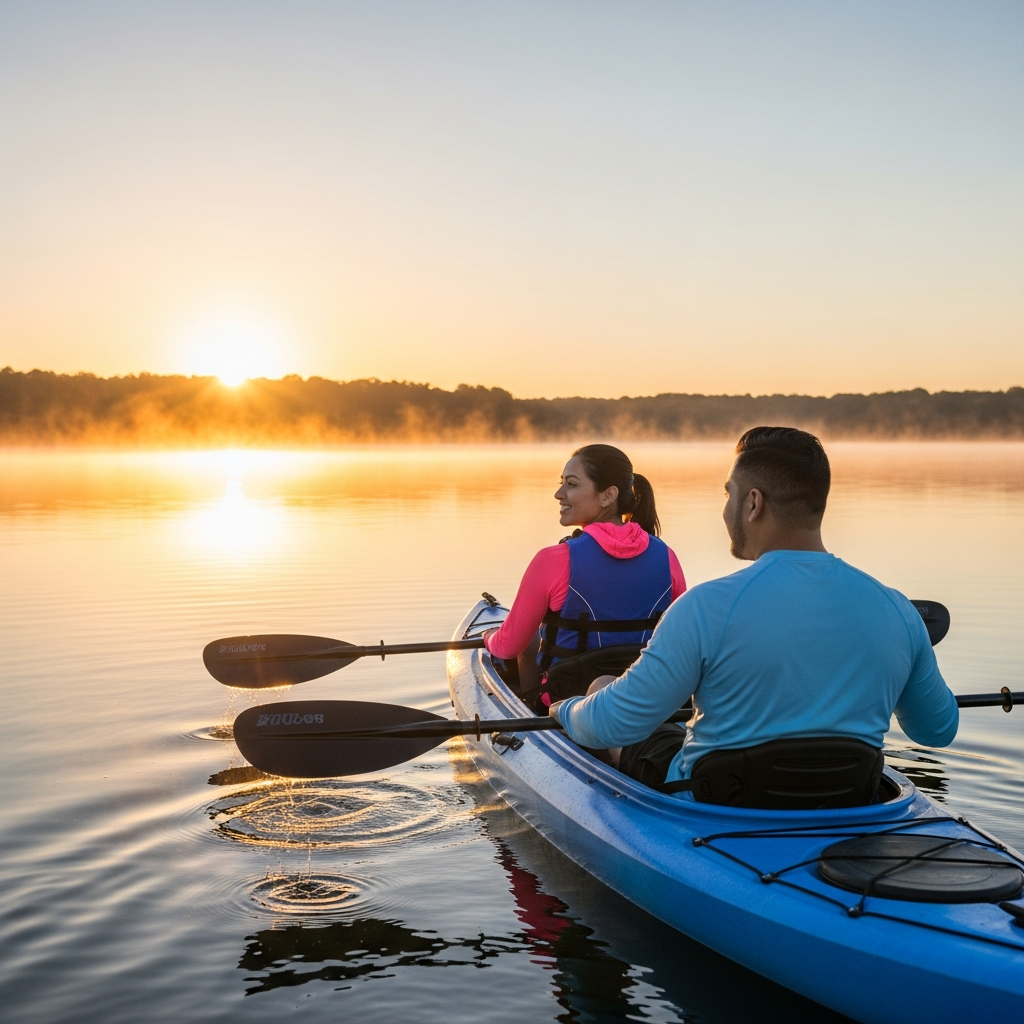
Homeschooling Resources Near Lake Ray Hubbard

You know that moment when you’re sitting at your kitchen table at 2 PM on a Tuesday, staring at a stack of math worksheets while your eight-year-old dramatically flops across the couch declaring they’re “too bored to live”? Yeah… that one. The one where you start questioning every life choice that led you to become teacher, principal, cafeteria worker, and IT support all rolled into one very tired parent.
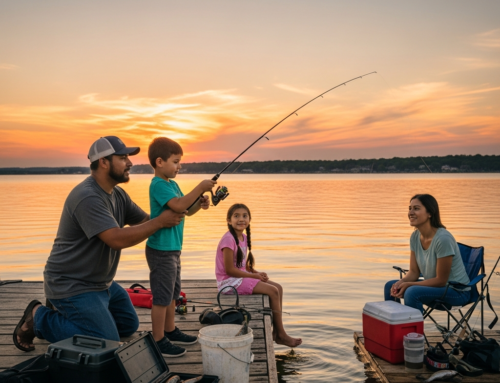
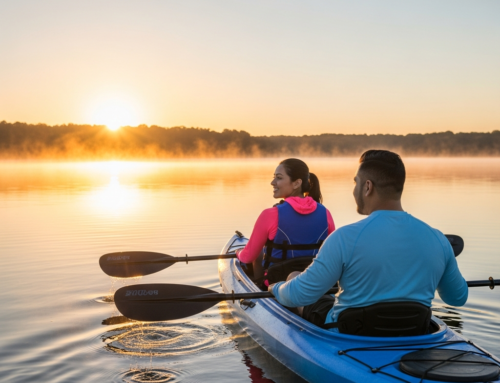
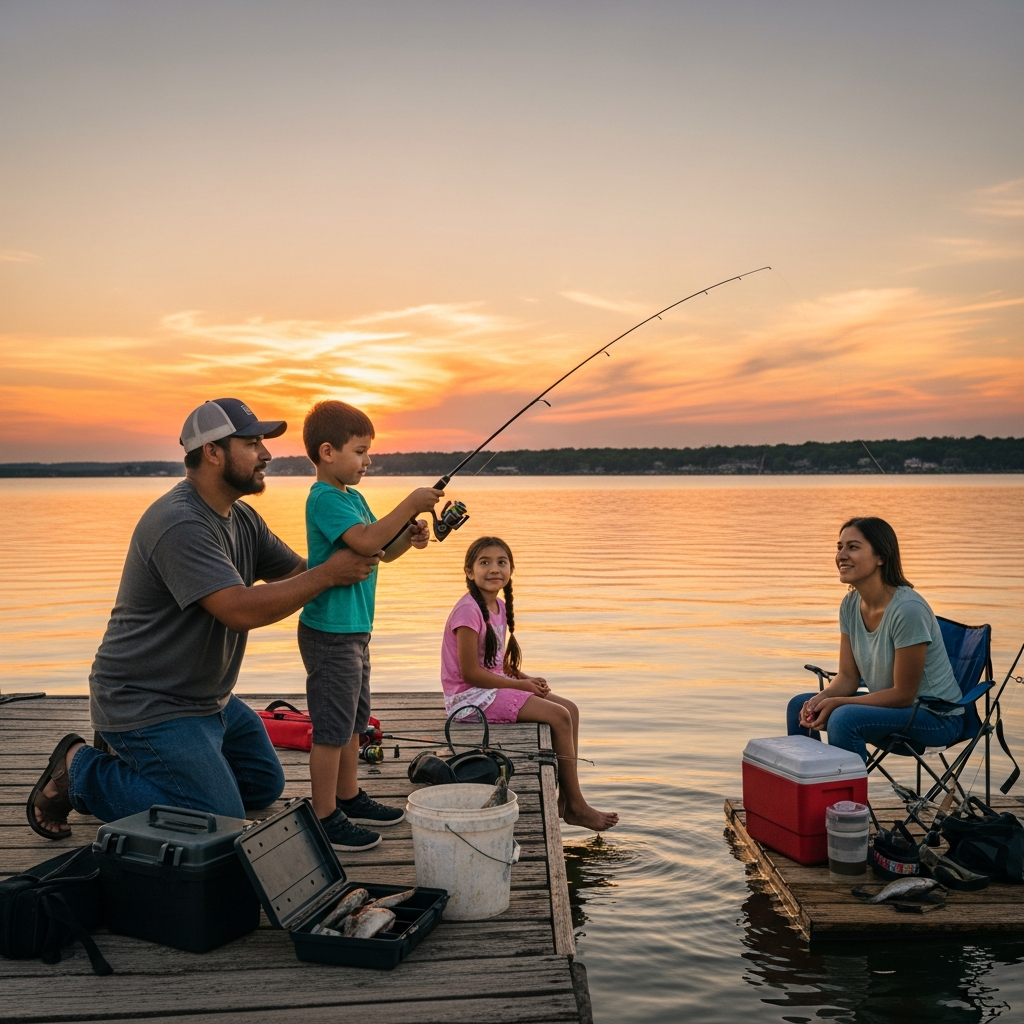
If you’re reading this from somewhere near Lake Ray Hubbard, I’m guessing you’ve been there. Maybe you’re brand new to homeschooling – perhaps the school shutdowns pushed you into this world, or maybe you’ve been wrestling with whether traditional school is really the right fit for your kid. Or hey, maybe you’re a seasoned homeschool veteran who just moved to the area and you’re wondering what this corner of Texas has to offer beyond beautiful lake views and fantastic fishing spots.
Here’s the thing about homeschooling around Lake Ray Hubbard (and honestly, anywhere) – it’s not actually about having all the answers. It’s about knowing where to find them. And more importantly? Knowing you’re not doing this alone.
I’ve watched countless parents in our area go from feeling completely overwhelmed – like they’re supposed to somehow replicate an entire school system in their living room – to discovering this incredible network of resources, communities, and opportunities that frankly… most traditional school families don’t even know exists. It’s like finding out there’s this whole other world running parallel to the one everyone else sees.
The Lake Ray Hubbard area? It’s actually a hidden gem for homeschooling families. We’re talking about a region that spans multiple counties, connects several vibrant communities, and sits right in the sweet spot between Dallas urban resources and small-town Texas charm. You’ve got Rockwall with its thriving homeschool co-ops, Garland’s diverse educational opportunities, and all those smaller communities where neighbors actually know each other’s names and kids can still ride bikes to the library.
But here’s what I wish someone had told me when I started this journey – the best homeschool resources aren’t always the obvious ones. Sure, you need curriculum (though probably not as much as you think). Yes, you need to understand Texas homeschool laws (spoiler alert: they’re actually pretty parent-friendly). But what you really need? You need to know about the marine biology classes at the Harbor Point Marina, the art studios that welcome young apprentices, the hiking groups that turn nature walks into geology lessons, and the local businesses where your teenager can actually apprentice and learn real skills.
You need to know which libraries have the best homeschool programs, where to find those magical used curriculum sales that happen twice a year, and – this is crucial – which coffee shops have the most reliable WiFi for those days when you need to work while the kids do online classes. (Trust me, you’ll need this information.)
Most importantly, you need to know about the people. The mom who’s been homeschooling for twelve years and somehow makes high school chemistry look manageable. The dad who turned his garage into a woodworking shop and teaches neighborhood kids every Saturday morning. The retired teacher who runs a writing club out of her home office. These are your people – you just haven’t met them yet.
Look, I’m not going to pretend homeschooling is all nature journals and field trips to the lake (though there will definitely be both). Some days, you’ll feel like you’re barely keeping your head above water. Your house will be messier than your non-homeschooling friends’ houses. You’ll second-guess yourself approximately 47 times before lunch.
But here in the Lake Ray Hubbard area, you’ve got something special – a community that gets it, resources that actually fit our Texas lifestyle, and enough options to make this work for your family, whatever that looks like.
So grab your coffee (or wine – no judgment here), and let’s explore what’s actually available in your backyard. Because chances are, you’re sitting on a goldmine of homeschool resources and you don’t even know it yet.
What Makes This Area Different for Homeschooling
You know that feeling when you move to a new neighborhood and suddenly realize you’ve stumbled into some kind of hidden gem? That’s what happens when families discover the Lake Ray Hubbard area for homeschooling. We’re talking about a sweet spot where suburban convenience meets genuine community support – and honestly, it’s not something you find everywhere.
The thing is, this region sits at this interesting intersection. You’ve got families from Rockwall, Garland, Mesquite, and Rowlett all kind of… orbiting around the lake. And what that creates is this really unique ecosystem where homeschooling resources don’t just exist in one town – they’re spread out but accessible, like a constellation of support that you can tap into depending on what your family needs.
The Co-op Culture (And Why It Actually Works Here)
Let me tell you something about homeschool co-ops in this area – they’re not your typical “let’s meet in someone’s living room and hope for the best” situation. Actually, that reminds me of when I first heard about co-ops… I pictured these super intense, overly organized groups that would make me feel inadequate about my messy homeschool reality.
But here’s what I discovered: the co-ops around Lake Ray Hubbard tend to be refreshingly practical. They’ve figured out how to balance structure with flexibility – probably because so many families here are juggling different work schedules, extracurriculars, and life in general.
The geography helps too. With several communities feeding into the same resource pool, you’re not stuck with just one option. If the Rockwall co-op is too science-heavy for your art-loving kid, there’s probably a Garland group that’s more your speed. It’s like having multiple restaurants on the same street – choice is a beautiful thing.
Library Systems That Actually Get It
Now, I need to pause here and give credit where it’s due. The library systems in this area have really stepped up their homeschool game. And this isn’t just about having a decent children’s section (though that matters too).
What’s happening is that librarians – bless them – have started understanding that homeschool families use libraries differently. We’re not just popping in for story time and leaving. We’re there for curriculum support, research projects, quiet study spaces, and those magical moments when your kid discovers something that sparks their curiosity.
The Rockwall County Library system, for instance, has embraced this role. They offer homeschool-specific programming during traditionally quiet hours. Smart, right? Your kids get library activities without competing with the after-school crowd… which, let’s be honest, can be overwhelming for both kids and parents.
Recreation Departments as Secret Weapons
Here’s something that might surprise you – and it definitely caught me off guard at first. The local recreation departments have become these unexpected allies for homeschool families. I’m talking about city rec centers, community programs, even some of the lake-area facilities.
Think about it: while other kids are in traditional school, your homeschooled kids can access programs, sports leagues, and activities during off-peak times. It’s like having a backstage pass to community resources. Plus, many of these programs have started offering homeschool discounts or special scheduling because… well, because there are enough of us that it makes business sense.
The lake itself becomes part of this equation too. Nature study, PE that doesn’t feel like PE, science experiments that happen naturally when you’re exploring shorelines – it’s all there waiting.
The Challenge Nobody Talks About
But let me be real with you for a minute. All this abundance of resources comes with its own headache: decision fatigue. When you have multiple co-ops to choose from, several library systems offering programs, recreation options galore… sometimes you end up spending more time researching opportunities than actually using them.
It’s like being at one of those massive buffets – so many good options that you freeze up and end up with a plate of random stuff that doesn’t quite work together. The trick (and I’m still learning this) is to resist the urge to do everything and instead focus on what genuinely fits your family’s rhythm and goals.
The beauty of this area is that resources will still be here next year if you’re not ready for them now. That’s the kind of stability that makes long-term homeschooling planning actually possible.
Finding Your Homeschool Tribe (Because You’ll Need One)
Here’s the thing nobody tells you about homeschooling – you’re going to feel isolated at first. Maybe even a little crazy. But around Lake Ray Hubbard? You’re actually in homeschool heaven, you just need to know where to look.
Start with the Rockwall County Homeschool Network on Facebook. I know, I know – another Facebook group. But this one’s different. These parents share everything from curriculum swaps to co-op recommendations, and they’re surprisingly welcoming to newcomers. Post an introduction, mention what grade levels you’re teaching, and watch the friend requests roll in.
The Northeast Texas Home Educators (NETHE) meets monthly at various locations around our area. Their September kick-off meeting? Pure gold. You’ll walk away with a stack of business cards, three coffee dates scheduled, and probably someone offering to share their Saxon Math teacher’s manual… because that’s just how homeschool parents roll.
Co-ops That Actually Work (Not the Overwhelming Ones)
Let’s be honest – some co-ops are basically public school with extra steps and twice the drama. But there are gems hidden around here.
Classical Conversations meets at several churches in the Rowlett and Rockwall areas. Yes, it’s structured. Yes, there’s memory work. But if you’re feeling lost about what to teach when, their curriculum progression takes the guesswork out. Plus, your kids get that classroom experience without you having to figure out ancient history on your own.
For something more relaxed, check out the Mesquite Area Homeschool Co-op. They focus on enrichment classes – think robotics, art, and those science experiments that are too messy for your kitchen table. The waiting list moves quickly, especially mid-year when families relocate.
Wild card option? The 4-H clubs around Lake Ray Hubbard. Technically not homeschool co-ops, but they welcome homeschoolers with open arms. Your kids learn life skills while you network with other parents who “get it.”
Library Resources You’re Probably Missing
The Rockwall County Library system is basically homeschool central, but most people only scratch the surface. Here’s what you need to know…
Their homeschool resource coordinator (yes, they have one!) maintains a separate collection of educational materials that doesn’t show up in the regular catalog. Call and ask about it – seriously. We’re talking manipulatives, science kits, and even some pricier curriculum you can borrow for free.
The Fate branch runs informal “Homeschool Hangouts” most Wednesday mornings. It’s not advertised widely, but show up around 10 AM and you’ll find other parents whose kids are quietly working while the adults whisper-chat about everything from learning differences to high school transcripts.
Pro tip: their digital resources include access to databases like World Book Online and Britannica School. Your library card gets you in – no need to pay for separate subscriptions.
The Secret Sauce: Community Resources
This is where living near Lake Ray Hubbard really pays off. The area’s packed with resources that work perfectly for field trips and hands-on learning, but you have to think outside the box.
The local veterinary clinics often welcome small groups for behind-the-scenes tours. Call ahead, explain you’re homeschooling, and most are happy to show kids what really happens during a check-up. Dr. Martinez at Lakeside Animal Clinic has turned this into an informal monthly thing – just ask.
Harbor Point’s hiking trails make fantastic outdoor classrooms. Pack a nature journal, download the Seek app (it identifies plants and animals using your phone camera), and you’ve got instant science curriculum. Other families often join impromptu nature walks if you post in those Facebook groups I mentioned.
The Rockwall Farmers Market isn’t just for groceries. Many vendors love talking about their farming methods, seasonal growing, even basic economics. Your kids learn while you shop – efficiency at its finest.
Planning Your Homeschool Day Around Real Life
Here’s something nobody tells you: you don’t have to recreate school at home. Those Pinterest-perfect homeschool rooms? Ignore them.
Some of our best learning happens during car rides around the lake, grocery store math lessons, and cooking experiments gone wrong. Your dining room table works just fine as headquarters.
The key is building routines that work for your family’s rhythm, not trying to fit into someone else’s schedule. Start small, adjust as you go, and remember – even public school teachers are figuring it out as they go along.
When the Curriculum Just Isn’t Working
You know that sinking feeling when you’re three weeks into a math program and your kid looks at you like you’re speaking ancient Greek? Yeah, we’ve all been there. Sometimes what works brilliantly for your neighbor’s family falls completely flat in your living room – and that’s totally normal.
The Lake Ray Hubbard homeschool community has taught me that curriculum switching isn’t failure; it’s fine-tuning. Sarah from Rockwall went through four different reading programs with her dyslexic son before finding one that clicked. “I felt like such a fraud,” she admits, “but then I realized… would I keep using a recipe that consistently burned dinner?”
Quick fixes that actually work: – Give new materials at least 2-3 weeks before deciding (sometimes kids need time to adjust) – Check local homeschool Facebook groups for curriculum swaps – one family’s dud might be your goldmine – The Mesquite Library often has curriculum on loan through their homeschool resource program
The Dreaded Social Isolation Question
Let’s be honest – this one keeps you up at night sometimes, doesn’t it? Especially when well-meaning relatives ask about “socialization” for the hundredth time. The truth is, some days your kids might spend more time with each other than with outside friends, and you start second-guessing everything.
Here’s what I’ve learned from families around Garland and Rowlett: the social piece requires intentional effort, but it’s absolutely doable. The trick is building multiple circles instead of relying on just one activity.
Real solutions that work: – Join at least two regular activities (co-ops, sports, art classes) so if one doesn’t gel, you’re not starting from scratch – The East Fork homeschool group meets at different parks around the lake – perfect for building connections naturally – Library story times and maker spaces aren’t just for little kids… middle schoolers love the teen programs too
Actually, that reminds me – some of the strongest friendships I’ve seen have come from those random conversations at Target when kids spot each other’s homeschool materials. Community happens in unexpected places.
When You’re Not Naturally a “Teacher Type”
This one hits deep. You love your kids fiercely, but explaining long division makes you want to hide in the pantry with chocolate. The Pinterest-perfect homeschool moms with their color-coded lesson plans? They make you feel like you’re doing everything wrong.
Here’s the thing nobody talks about enough – teaching your own kids is completely different from classroom teaching. You don’t need to channel your old high school English teacher; you need to be authentically you.
I know a mom in Heath who describes herself as “organizationally challenged” but creates the most amazing hands-on science experiments using random household items. Another dad in Fate freely admits he outsources everything except reading aloud (which he’s amazing at, by the way).
Practical workarounds: – Use video lessons for subjects that make your brain hurt – Khan Academy, Teaching Textbooks, whatever works – Trade teaching with other families… you handle art for three kids, they cover science – The homeschool co-ops around Lake Ray Hubbard often have parents who teach their actual expertise areas
Fighting the Comparison Game
Oh, this sneaky monster. You’ll be feeling great about your family’s progress, then you hear about little Timmy who’s reading Tolkien at age seven while speaking fluent Mandarin. Suddenly your kid’s perfectly normal development feels… lacking.
Social media makes this worse, obviously. Those beautiful homeschool photos with everyone smiling and engaged? They’re real moments, but they’re also highlights. You don’t see the meltdown that happened five minutes before, or the three subjects that got abandoned because someone had a growth spurt and couldn’t focus.
Reality checks that help: – Remember that your kid’s timeline is their own – not Instagram’s version of “advanced” – Focus on progress, not perfection (did they understand fractions better this week than last?) – The Sunnyvale homeschool group has “real talk” coffee meetups where parents share struggles, not just victories
Handling the Overwhelm
Some days you’ll feel like you’re drowning in responsibilities. Teacher, parent, household manager, chauffeur, lunch lady… it’s a lot. When people ask how you “do it all,” the honest answer is: some days you don’t. And that’s okay.
The families who seem to have it all together? They’ve learned to let some balls drop. Maybe dinner is cereal and fruit. Maybe the laundry sits unfolded for a week. Maybe math happens in the car while waiting for swimming lessons.
Building a support network around the lake has been crucial for most families I know. Whether it’s a text thread for quick questions or meeting for coffee while kids play at Harry Myers Park, having people who get it makes all the difference.
Setting Realistic Expectations for Your First Year
Let’s be honest – starting homeschooling isn’t like flipping a switch and suddenly having everything figured out. It’s more like… well, learning to ride a bike while the bike is still being assembled. And that’s completely normal.
Most families around Lake Ray Hubbard who’ve made this transition will tell you the same thing: expect the first six months to feel a bit chaotic. You’re not just teaching your kids – you’re learning how to teach, figuring out what works for your family’s rhythm, and probably questioning every decision at least twice a week. (On Mondays, it might be twice before lunch.)
Here’s what a typical timeline looks like. The first month? You’ll spend more time researching curricula and second-guessing yourself than actually teaching. That’s fine. Month two through four, you’ll start finding your groove, but expect some epic meltdowns – from both you and the kids. By month six, you’ll have a better sense of what works… and by the end of year one, you might actually feel like you know what you’re doing. Might.
The beauty of the Lake Ray Hubbard homeschool community is that everyone remembers being exactly where you are now. Those seasoned moms who seem to have it all together? They’ve been through the “am I ruining my child’s future?” phase too.
Your First 30 Days: Small Steps Matter
Don’t try to transform into a Pinterest-perfect homeschool family overnight. Seriously. Start with the basics – maybe just math and reading for the first few weeks while you both adjust to being home together all day.
Pick one curriculum for one subject and stick with it for at least a month before making changes. I know it’s tempting to switch when your child has one bad day, but consistency beats perfection every time. Actually, consistency beats a lot of things when it comes to homeschooling.
Connect with one local group right away. Not five groups – just one. The Rockwall Area Homeschool Support Group or East Texas Homeschool Network are great starting points. Having real faces and phone numbers makes those overwhelming moments feel much more manageable.
Set up a dedicated learning space, even if it’s just a corner of the kitchen table. Your kids need to mentally shift into “school mode,” and having consistent materials in one spot helps everyone… including you when you’re frantically looking for that math workbook at 9 AM.
Building Your Support Network
You’re going to need people. Not just for curriculum advice (though that’s helpful), but for those moments when you’re wondering if your fourth-grader will ever understand fractions or if you’ve accidentally created a history-hating monster.
Start building relationships before you desperately need them. Attend a park day even if you feel awkward. Join online groups but also prioritize in-person connections. The Rowlett Homeschool Moms group meets regularly, and there’s something irreplaceable about seeing other parents navigate the same struggles in real time.
Don’t be afraid to ask specific questions: “How do you handle science experiments in your kitchen?” or “What do you do when your kid refuses to write anything?” These communities thrive on practical help, not theoretical discussions about educational philosophy.
Planning for the Long Haul
Think in years, not weeks. Your homeschool journey will evolve as your children grow and as you become more confident in your choices. What works for second grade might need tweaking by fourth grade – and that’s not failure, it’s adaptation.
Budget for flexibility. You’ll probably change curricula at least once in your first year, and that’s money well spent if it leads to a better fit for your family. Keep receipts and consider reselling materials that don’t work out through local Facebook groups.
Plan breaks. Not just summer vacation, but real breaks throughout the year when you step back and evaluate what’s working. The traditional school calendar doesn’t have to be your calendar, so use that freedom strategically.
Moving Forward with Confidence
Remember, you’re not trying to recreate public school at home. You’re creating something unique for your family. Some days will be magical learning adventures. Others will involve tears and too much screen time – and both are part of the process.
Trust yourself more than you trust curriculum reviews or Pinterest boards. You know your children better than any expert or well-meaning friend. That intuition, combined with the resources and support available around Lake Ray Hubbard, is enough to get started.
The rest? You’ll figure out as you go.
You know what? After diving into all these amazing resources scattered around our beautiful lake community, I’m honestly a little overwhelmed myself – and that’s coming from someone who’s been navigating these waters for years. There’s just so much goodness available to families choosing this path.
Finding Your Rhythm Takes Time
Here’s the thing I wish someone had told me when we started… you don’t have to use everything at once. Actually, you probably shouldn’t. That gorgeous list of co-ops, libraries, museums, and outdoor programs? Think of it as a buffet where you can come back for seconds (and thirds) throughout your homeschool years.
Maybe this year you’re drawn to the hands-on science programs at the local nature centers. Next year, your kiddo might be ready for those competitive math clubs. The resources aren’t going anywhere – they’ll be here when you need them.
Your Community is Rooting for You
What strikes me most about the Lake Ray Hubbard area is how genuinely supportive the homeschool community is here. These aren’t just programs and places… they’re filled with real families who’ve walked this path before you. Parents who remember feeling uncertain about curriculum choices, wondering if they were “doing it right,” questioning whether their kids would thrive.
Spoiler alert: they did thrive. And yours will too.
The moms running those co-ops? They’ve been where you are. The librarians who light up when they see homeschool families coming in during “school hours”? They’re genuinely invested in your success. The park rangers leading those nature programs – they know you’re not just filling time, you’re building something beautiful with your children.
Start Where You Are
Maybe you’re reading this at 2 AM (again) wondering how on earth you’ll pull together a full curriculum, let alone find community and enrichment activities. Take a breath. Start with one thing that excites you – or better yet, one thing that excites your kids.
Is it the promise of catching frogs at the wetlands preserve? The idea of your little one finally finding their “math people” at a co-op? The thought of checking out armloads of books without anyone asking why you’re not at work at 10 AM on a Tuesday?
Pick that one thing. Try it. See how it feels.
We’re Here When You Need Us
Look, homeschooling near Lake Ray Hubbard doesn’t have to feel lonely or overwhelming. This community – both the families you’ll meet and those of us sharing resources like this – we want to see you succeed. We remember how it felt to wonder if we were crazy for choosing this path, and we’re here to remind you that you’re not.
If you’re feeling stuck, uncertain, or just need someone to talk through your options with, don’t hesitate to reach out. Seriously. Whether you’re wondering about specific programs, need help connecting with other families, or just want to chat about the beautiful chaos of learning at home – we’d love to hear from you.
Your homeschool story is just beginning, and honestly? We can’t wait to see how it unfolds.