Summer Camps Near Lake Ray Hubbard

Picture this: It’s the third week of June, you’re on your fourth consecutive Zoom call of the day, and somewhere in the background you can hear the unmistakable sound of your kid saying “I’m bored” for what feels like the forty-seventh time. The TV’s already been on too long. The iPad battery died. And you’ve got another hour of work before you can even think about figuring out dinner.
Sound familiar? Yeah. We thought so.
Summer around Lake Ray Hubbard is genuinely beautiful – the water glitters, the days stretch long and golden, and there’s this particular kind of Texas evening magic that happens when the heat finally breaks around seven o’clock. But getting through those long, unstructured weeks with kids at home? That’s a whole different story. It’s one of those parenting paradoxes that nobody really talks about enough: you *wanted* summer to arrive, and now you’re quietly counting down to August.
Here’s the thing, though. You don’t have to just survive it.
The communities surrounding Lake Ray Hubbard – Rowlett, Rockwall, Garland, Heath, Wylie – have quietly built up a genuinely impressive collection of summer camp options over the past several years. We’re talking about programs that go way beyond the old “babysitting with crafts” model that maybe colored your own memories of summer camp. There are options for kids who want to get out on the water, kids who’d rather spend their days coding or building robots, kids who’ve got serious athletic ambitions, and kids who just need some unstructured adventure time with other kids their age. Actually, that last one? Probably more important than we realize for this generation.
But finding the right fit can feel overwhelming. Any parent who’s done a Google search for “summer camps near me” knows the experience – you end up with seventeen browser tabs open, a confusing mix of prices and age ranges and registration deadlines, and somehow more questions than when you started. Is this camp actually close enough to be convenient? What’s the staff-to-kid ratio really like? Is my nine-year-old going to be bored, or is my seven-year-old going to be in over her head?
That’s exactly why we put this guide together.
We wanted to create something genuinely useful for Travis Ranch families and everyone else living in this corner of the Metroplex – not just a list of names and phone numbers, but real information about what makes each type of program different, what questions you should be asking before you write that deposit check, and how to match your specific kid’s personality and interests to a camp that’s actually going to make them excited to get up in the morning. Because there *is* a difference between a kid who’s dropped off at camp and a kid who’s counting the days until it starts.
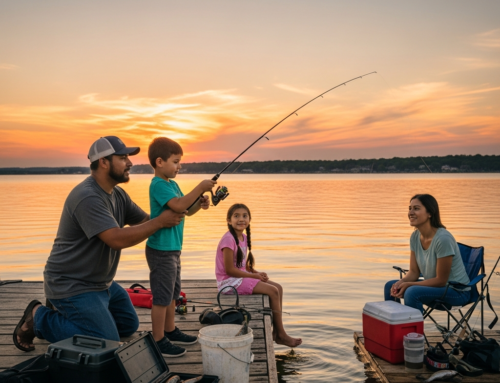
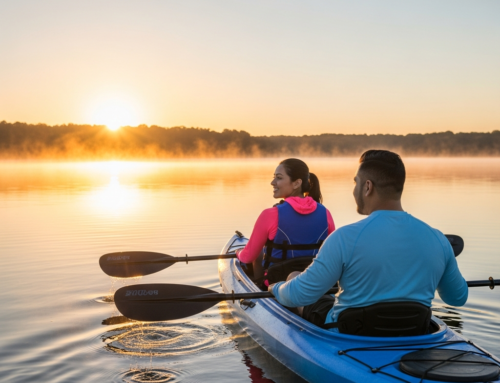
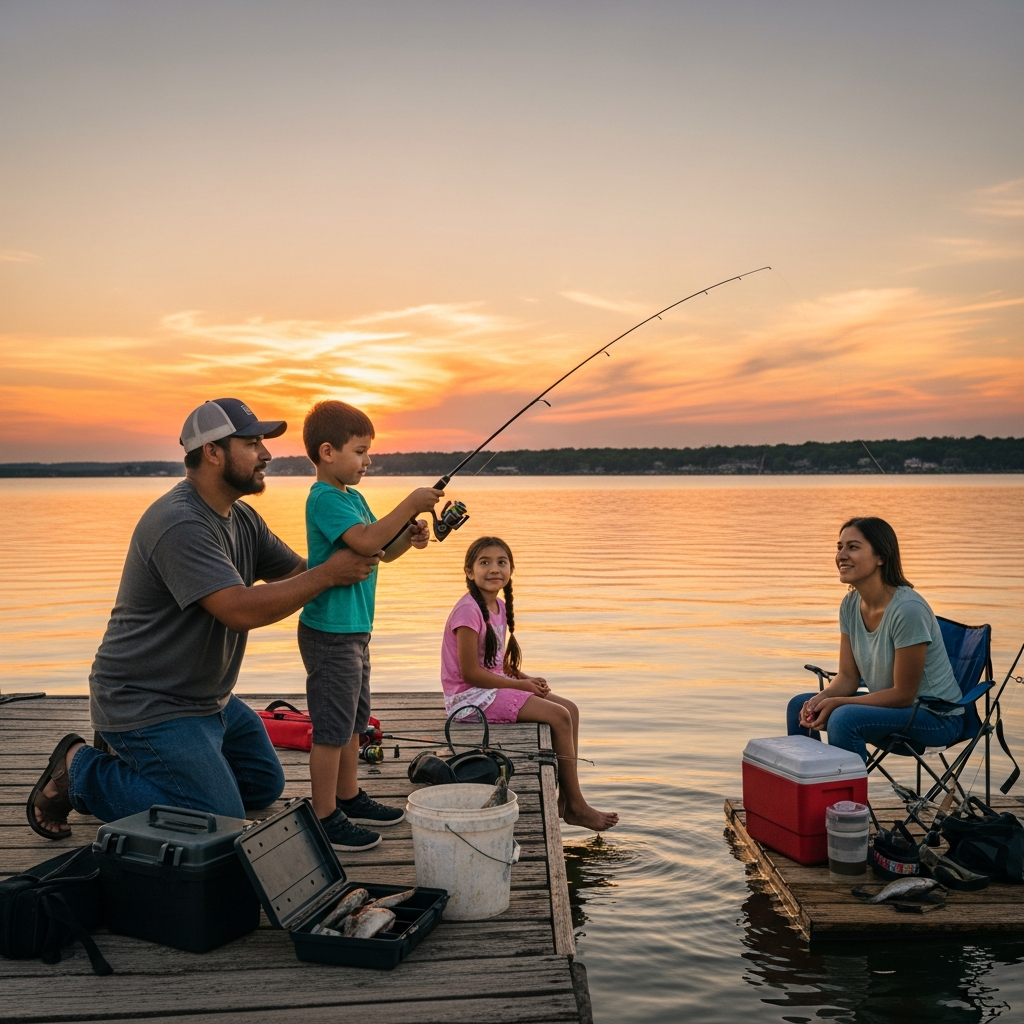
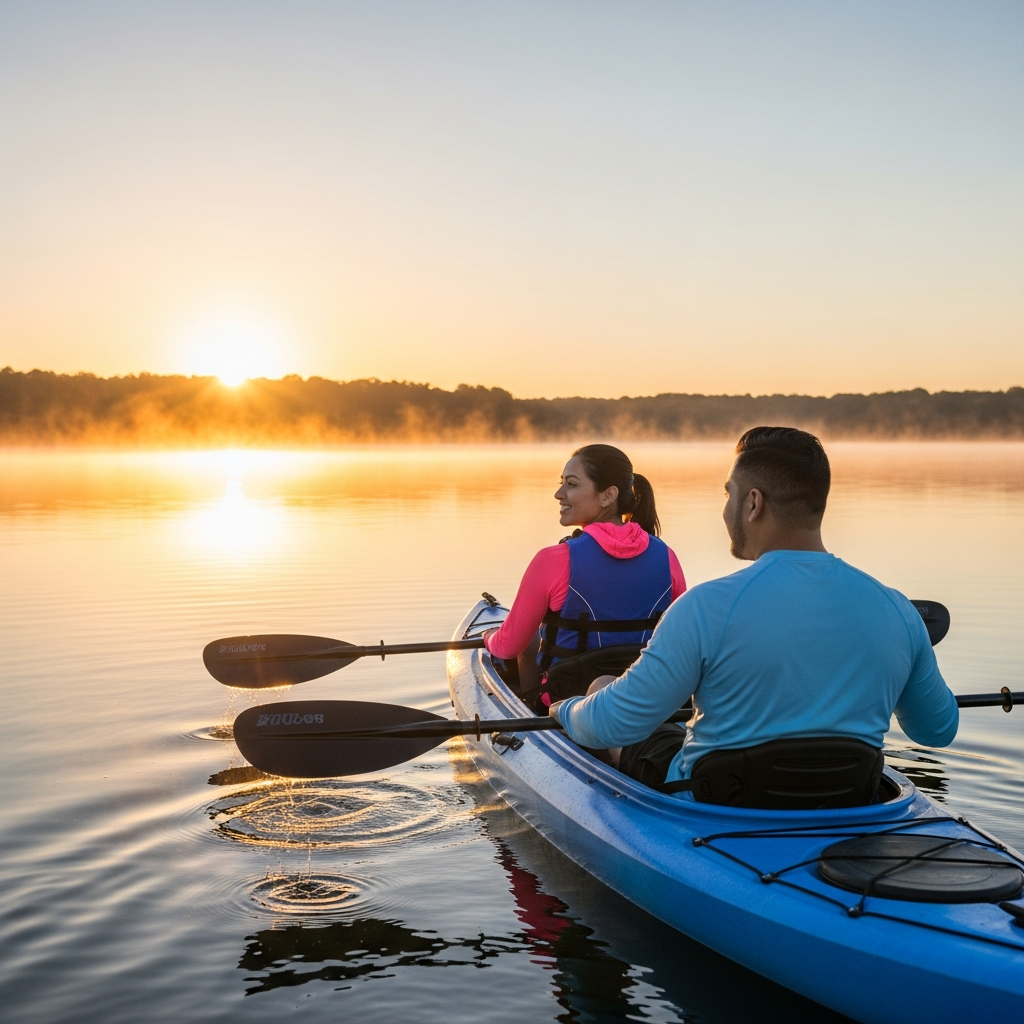
The Lake Ray Hubbard area has some real geographic advantages here, too – and it’s worth thinking about. Access to the water opens up whole categories of programming that aren’t available everywhere in the DFW sprawl. Sailing, kayaking, fishing, paddleboarding… these aren’t just activities, they’re the kind of formative outdoor experiences that stick with kids in ways that are hard to explain but easy to recognize in adults who had them.
What you’ll find as you keep reading: a breakdown of the different types of camps available in and around the area, a look at some specific programs worth knowing about, some practical advice on timing (registration for the good ones fills up faster than you’d think – like, February fast), and a few things most camp brochures won’t tell you but probably should.
Whether you’ve got a rising kindergartner who needs gentle, structured fun or a teenager who’s ready for something that actually challenges them, there’s something out there worth knowing about. This summer doesn’t have to be a patchwork of screen time and “I don’t know what to do” – it can be the kind your kid talks about when summer comes up years from now.
Let’s find them something good.
What Makes This Area a Summer Camp Hub
If you’ve ever looked at a map of the eastern Dallas-Fort Worth suburbs, you’d notice pretty quickly that Lake Ray Hubbard sits smack in the middle of some seriously well-connected communities – Rowlett, Rockwall, Heath, Garland, Sachse. That geography isn’t just convenient for weekend fishing trips. It’s actually one of the reasons this whole region has quietly become a really solid destination for summer camp options that most families outside the area don’t even know exist.
The lake itself covers about 22,000 acres, which – honestly – is hard to picture until you’re standing at the shoreline and can barely see the other side. That kind of water access opens doors for aquatic programs, sailing, paddleboarding, and outdoor education that smaller inland communities just can’t replicate. Camps within driving distance of that much water tend to be… different. More hands-on. More “let’s actually go do the thing” rather than “let’s talk about the thing.”
Day Camps vs. Overnight Camps – The Distinction Actually Matters
Here’s something that trips up a lot of families when they first start researching: “summer camp” is kind of an umbrella term that covers wildly different experiences. A two-week overnight camp where your kid bunks in a cabin and calls home every three days is not the same animal as a daily drop-off sports clinic that runs 9 to noon. Both are camps. Both have value. They’re just solving different problems.
Around Lake Ray Hubbard, you’ll find mostly day camps – which makes sense given the suburban density of the area. Families here tend to want structure and enrichment during the day without committing to a full residential experience. That said, there are overnight options within a reasonable drive, and some programs offer a hybrid – mostly day structure with one or two “camp-in” nights toward the end of the session. Those hybrid setups can actually be a great stepping stone if you’ve got a kid who’s curious about overnight camp but hasn’t quite worked up the nerve yet.
The Age-Range Puzzle (And Why It’s More Complicated Than You’d Think)
This is where parents sometimes get a little frustrated, and honestly, fair enough. Camp age groupings don’t follow any universal standard. One program’s “junior camp” is ages 6-9. Another’s starts at 8. A teen leadership program might take 13-year-olds or it might start at 15. It’s inconsistent in a way that feels like it should have been standardized decades ago.
The practical thing to understand is that age ranges are usually built around developmental stages and supervision ratios, not arbitrary numbers. A camp that separates 6-year-olds from 9-year-olds is doing it because those kids are genuinely operating at different maturity levels – socially, physically, emotionally. Think of it like classroom grades. A third grader and a sixth grader might both love dinosaurs, but you’d teach them about dinosaurs pretty differently.
When you’re looking at camps near Ray Hubbard specifically, pay attention to whether programs split their groups into clear “junior” and “senior” tiers, because it makes a difference in your kid’s daily experience.
Specialty Camps vs. Traditional Camps
Traditional camps try to do a little bit of everything – arts and crafts, sports, swimming, nature exploration. The idea is broad exposure. Specialty camps go deep on one thing: coding, baseball, dance, marine science, robotics. Neither approach is better. They’re built for different kids at different moments.
Actually, that reminds me of something worth mentioning – a lot of parents assume specialty camps are only for kids who are already skilled in that area. That’s not really true. Plenty of specialty programs are explicitly designed for beginners who are just curious. A “robotics camp” doesn’t require your 10-year-old to have built anything before. It just means they’ll spend more focused time on that one thing than they would at a traditional camp.
The Lake Ray Hubbard region has seen real growth in STEM-focused specialty programs over the last several years, which tracks with the broader demographic of the area – lots of families in tech, healthcare, and engineering fields who want their kids exposed to similar skills early.
What “Accreditation” Actually Means (And When to Care About It)
You might see some camps advertise American Camp Association accreditation. It sounds impressive – and it is legitimate – but it’s worth understanding what it actually covers. ACA accreditation primarily addresses health, safety, and operational standards: staff-to-camper ratios, emergency protocols, site safety. It’s essentially a quality check on the infrastructure of running a camp safely. It doesn’t evaluate curriculum quality or how fun the program actually is. Both matter. They’re just different things.
What to Actually Ask When You Call
Most parents skim the website, fill out the form, and hope for the best. Don’t do that. When you get a camp director on the phone, ask them the questions they’re not expecting – those are the ones that tell you everything.
Ask about their staff-to-camper ratio on water days specifically. Not the general ratio. Water days. Some camps look great on paper but thin out supervision when half the counselors are setting up equipment. Ask what happens when a kid is struggling socially – like, what’s the actual protocol? Do counselors intervene or wait? And here’s a good one: “What’s the most common reason a camper has a hard time here?” A confident director will answer that without hesitation. A vague answer is… telling.
Also just ask how long the director has been there. High turnover at the leadership level tends to trickle down in ways you’ll feel all summer.
Timing Your Registration Like a Local
Here’s the thing about camps near Lake Ray Hubbard – they fill up faster than people expect, especially programs that include actual lake access versus just pool time. Families in Rowlett, Garland, and Heath tend to register in January for summer. January. So if you’re reading this in April thinking you’ve got plenty of time, you might already be looking at waitlists for the most popular sessions.
That said, there’s a real sweet spot. If you can wait until early May, you’ll sometimes catch cancellations from families who over-enrolled their kids in activities and had to pull back. Call the camps on your shortlist directly rather than checking the website – spots that open up don’t always get updated online right away. The squeaky wheel really does get the open enrollment slot here.
Reading the Fine Print on “Lake Access”
This sounds obvious, but check what “lake access” actually means for each camp. Some programs near Ray Hubbard use the lake as more of a backdrop – maybe a nature walk along the shoreline – while others are doing actual kayaking, paddleboarding, or swim instruction in the water itself. Neither is wrong, but you want to know which one you’re paying for.
A few things to look for in the program description
– “Supervised lake activities” usually means they’re in it – “Lake views” or “lakeside location” means they’re probably not – Look for whether swim tests are required – that’s a sign the water activities are serious and the camp is being responsible about skill levels
If your kid isn’t a confident swimmer, that swim test info matters a lot. Some camps will place non-swimmers in alternative activities without making a big deal of it, which is wonderful. Others… less graceful about it. Worth asking.
Don’t Skip the Drop-In Visit
Honestly, this is the one thing most parents skip because it feels awkward and inconvenient, and it’s also the most useful thing you can do. Most reputable camps near the lake area will let prospective families do a brief visit before enrollment – sometimes they even host open house days in spring.
Go during actual camp hours if you can. Watch how counselors talk to kids when things get chaotic. Notice whether the kids look bored or genuinely engaged. Check the bathrooms. I know that sounds fussy, but the state of the bathrooms tells you a lot about how much pride the operation takes in the details.
If a camp discourages visits or makes it feel like a hassle? That’s useful information too.
Setting Your Kid Up for a Good First Week
Pack everything they need for day one the night before – and label everything, not just the obvious stuff. Sunscreen bottle. Water bottle. The single flip-flop that somehow always gets separated from its partner.
Talk to your kid beforehand about what to do if they feel left out or overwhelmed. Give them a specific thing to say or do, not just “tell a counselor” – that’s too vague for a nervous eight-year-old. Something like, “If lunch feels weird, sit near someone who’s already laughing. People who are laughing are usually happy to have company.”
And if they have a rough first day, give it at least three days before making any decisions. Week one is almost always the hardest. Week two is usually where the magic starts.
When Registration Feels Like a Full-Time Job
Let’s be honest – the registration process for popular camps near Lake Ray Hubbard can feel genuinely chaotic. Some of the most sought-after programs (we’re talking the sailing and water sports camps especially) fill up within days of opening their waitlists. Not weeks. Days.
So here’s the real talk: set a calendar reminder for registration opening dates, and treat it like a concert ticket drop. Have your child’s immunization records, emergency contacts, and payment method ready to go before the portal even opens. It sounds obvious until you’re scrambling to find your pediatrician’s fax number at 8 a.m. while the spots disappear.
If you miss the window? Don’t assume the waitlist is hopeless. Families back out constantly – summer schedules shift, vacations get planned, kids change their minds. Check in with the camp coordinator directly, introduce yourself, and ask politely if they keep a priority cancellation list. A real human conversation still goes a long way.
The “My Kid Doesn’t Know Anyone There” Anxiety
This one’s real, and it’s not just the kids who feel it. Parents worry about it too, maybe more. Dropping your child at a camp full of strangers on the shores of Lake Ray Hubbard, watching them stand there looking slightly lost… it’s hard.
Here’s what actually helps. Before the first day, reach out to your neighborhood Facebook groups or the Travis Ranch community board – someone’s kid is almost certainly going to the same camp, and a familiar face changes everything. Many camps also offer a brief parent orientation or a “buddy request” option during registration that almost no one uses because they don’t notice it. Use it.
And give it a few days. Seriously. Most kids who are miserable on day one are swapping inside jokes by day three. The lake has a way of bonding people fast when you’re all trying not to tip a kayak.
Heat. Just… The Texas Summer Heat.
Nobody’s going to sugarcoat this. Sending a kid to an outdoor lakeside camp in July in North Texas means you’re dealing with real heat – the kind that gets uncomfortable by 10 a.m. and downright punishing by noon.
Good camps structure their days around this, moving intense outdoor activities to morning blocks and using afternoons for water activities, shade breaks, or indoor programming. When you’re evaluating camps, ask specifically how they handle heat protocols – what’s the water break schedule, what’s the shade situation, what’s their threshold for moving activities indoors? Any reputable camp will have clear, practiced answers. Vague responses are a red flag.
On your end, prep your kid with a solid water bottle (the insulated kind, not a flimsy plastic one that’ll be warm by 9:30), sunscreen they’ve already tested on their skin at home so you’re not discovering sensitivities on day one, and lightweight, breathable clothing. Also – and this is worth saying – talk to your child about recognizing when they feel overheated. Kids push through because they don’t want to miss out. Teaching them to speak up matters more than the right gear.
The Cost Reality Check
Summer camp near the lake isn’t cheap. There, someone said it. Between registration fees, gear requirements, transportation, and the random “please send $15 for the closing ceremony pizza party” notes that appear mid-session… it adds up fast.
A few things worth knowing: many camps in the area offer early bird pricing that can save $50-$100 per session if you register months out. Some have sibling discounts that aren’t prominently advertised – you have to ask. Financial assistance programs exist at several nonprofit-affiliated camps and are genuinely underutilized because families assume they won’t qualify or feel awkward asking.
It’s also worth separating the “want” gear from the “need” gear. Your kid probably doesn’t need the top-of-the-line paddleboard rash guard on the camp’s suggested packing list. A good SPF shirt from Target works just fine.
When a Camp Just Isn’t the Right Fit
Sometimes you pay, they go, and it’s just… not clicking. The vibe’s off, the counselor turnover seems high, your kid comes home withdrawn instead of tired-happy.
Trust that. Talk to the director before pulling your child, because sometimes a cabin reassignment or a different activity track solves everything. But if something feels genuinely wrong? You’re allowed to act on that. Your instincts as a parent aren’t nothing.
What to Expect Once You’ve Found the Right Fit
So you’ve done your research, made some calls, maybe even toured a facility or two. Here’s the thing – the process doesn’t really end when you pick a camp. It kind of shifts into a different gear. And knowing what’s coming next can save you a lot of stress and last-minute scrambling.
First, registration. Most camps near Lake Ray Hubbard fill their summer sessions faster than you’d expect, especially the specialty programs – the ones focused on water sports, STEM, or arts. If you’re looking at June sessions, you’ll want to have your registration submitted by late February or March at the absolute latest. July sessions buy you a little more breathing room, but not as much as people assume. Don’t wait until spring break to start the paperwork.
And yes – there will be paperwork. Medical forms, emergency contacts, photo release waivers, possibly a swim assessment form. It’s a lot. Block out an afternoon for it.
The Deposit and Payment Reality Check
Most camps ask for a non-refundable deposit upfront – usually somewhere between $50 and $150 – to hold your child’s spot. That’s pretty standard. What’s not always clear is the full payment schedule, which varies a lot from program to program. Some want payment in full by a certain date. Others let you break it into installments.
Ask about their cancellation policy *before* you commit. Life happens – illness, family emergencies, schedule changes. You want to know exactly what “no refunds” means in their specific context. Some camps are surprisingly flexible if you give them enough notice. Others aren’t. Neither is wrong, but you deserve to know which kind you’re dealing with.
Also worth asking: do they offer financial assistance or sliding scale fees? Several programs in the Rockwall and Heath area quietly offer this but don’t advertise it prominently. It never hurts to ask.
Getting Your Kid Ready (Without Making It a Big Deal)
Here’s something nobody really tells you – the prep work matters more for the kids than for you. If it’s your child’s first camp experience, or their first time at a new program, some nervousness is completely normal. For them and honestly for you too.
A few weeks before camp starts, it helps to talk casually about what to expect. Not a formal sit-down conversation, just… mention it. “Hey, you’re going to be swimming a lot, we should practice” or “your cabin group is going to have six kids in it.” Little pieces of information, dropped naturally, tend to land better than a big prep session that can accidentally feel like a warning.
Make sure gear is sorted early. Nothing worse than realizing the night before that the required water shoes are three sizes too small. Most camps send a packing list – actually read it. Actually follow it.
The First Drop-Off Is Often the Hardest Part
Whether it’s a day camp or an overnight program, that first goodbye can be… a lot. Even kids who were excited for weeks sometimes go quiet at drop-off. That’s normal. The counselors have seen it a thousand times, and they’re genuinely good at transitioning kids once parents step back.
For day camps specifically, most programs ask parents not to linger. It sounds harsh, but it genuinely helps. A quick, confident goodbye sends a message that you trust the place – and kids pick up on that signal.
Overnight camp parents – you might not hear from your child for a day or two, depending on the program’s communication policy. That silence can feel alarming. Usually it means they’re busy and having fun, not that something’s wrong.
After Camp – More Than You Might Think
The last day of camp isn’t really the end. Kids often come home genuinely tired, possibly sunburned, probably hungry, and occasionally in a weird emotional space where they can’t quite explain what they’re feeling. Give them a day or two to decompress before peppering them with questions.
When they do open up – and they usually do – ask specific things. “What did you eat for lunch?” lands better than “Did you have fun?” Fun is a lot to process all at once.
And if your child had a genuinely great experience? Most camps near Lake Ray Hubbard give returning campers priority registration for the following summer. Worth asking about that before you leave on the last day.
There’s something almost magical about watching a kid come home from camp sunburned and exhausted and somehow… more themselves. Like the summer did exactly what summer is supposed to do.
And honestly? Lake Ray Hubbard is one of those places where that magic has a really good home base. Whether your child ends up on the water learning to kayak, building friendships at a day camp close to the neighborhood, or discovering they’re actually pretty good at archery (who knew!), this area has options that can genuinely shape a summer worth remembering.
The Hardest Part Is Just Getting Started
We know the research spiral is real. You open one browser tab, then five more, then suddenly it’s 11pm and you’ve read seventeen camp reviews and you’re somehow less sure than when you started. That’s… extremely normal. There are a lot of choices out there, and every family’s situation is different – different schedules, different budgets, different kids who need different things.
Some families are looking for full-day structured programs that keep things moving while parents are at work. Others want something low-key, a few mornings a week where their kid can just *be* a kid without a screen in front of them. Both are completely valid. Both exist around here. The trick is just matching what’s out there to what your specific family actually needs.
A Few Things Worth Keeping in Mind
Before you commit to anything, it’s worth checking registration deadlines – because some of the more popular programs near the lake fill up faster than you’d expect, especially for July sessions. And don’t sleep on asking for sibling discounts or early enrollment deals. A lot of camps offer them but don’t exactly advertise them in big bold letters.
Also – and this is just a personal thought – trust your kid a little on this one. Sometimes the camp *you* think sounds amazing is not the one they’ll thrive in. A quick tour, a conversation with a camp director, or even talking to another parent in your neighborhood can tell you more than any brochure will.
You Don’t Have to Figure This Out Alone
Here at Travis Ranch Life, we’re more than just a place to read articles – we’re actually your neighbors. We know these roads, these neighborhoods, these families. If you’re feeling stuck trying to figure out which program makes sense, or you just want someone to point you toward a specific type of camp based on what your child loves, reach out to us. Seriously. Drop a comment, send a message, ask a question. We’re happy to help you think it through.
This community is genuinely good at taking care of each other, and that extends to the big stuff and the small stuff alike – including helping a stressed-out parent find the right summer camp before all the spots are gone.
Summer is short. (Painfully short, if you ask anyone who’s watched their kids grow up too fast.) But the memories from those warm, messy, sun-soaked weeks? Those have a way of sticking around for a very long time.
Here’s hoping this summer is one of the good ones for your family.