What It’s Really Like Living Near Lake Ray Hubbard
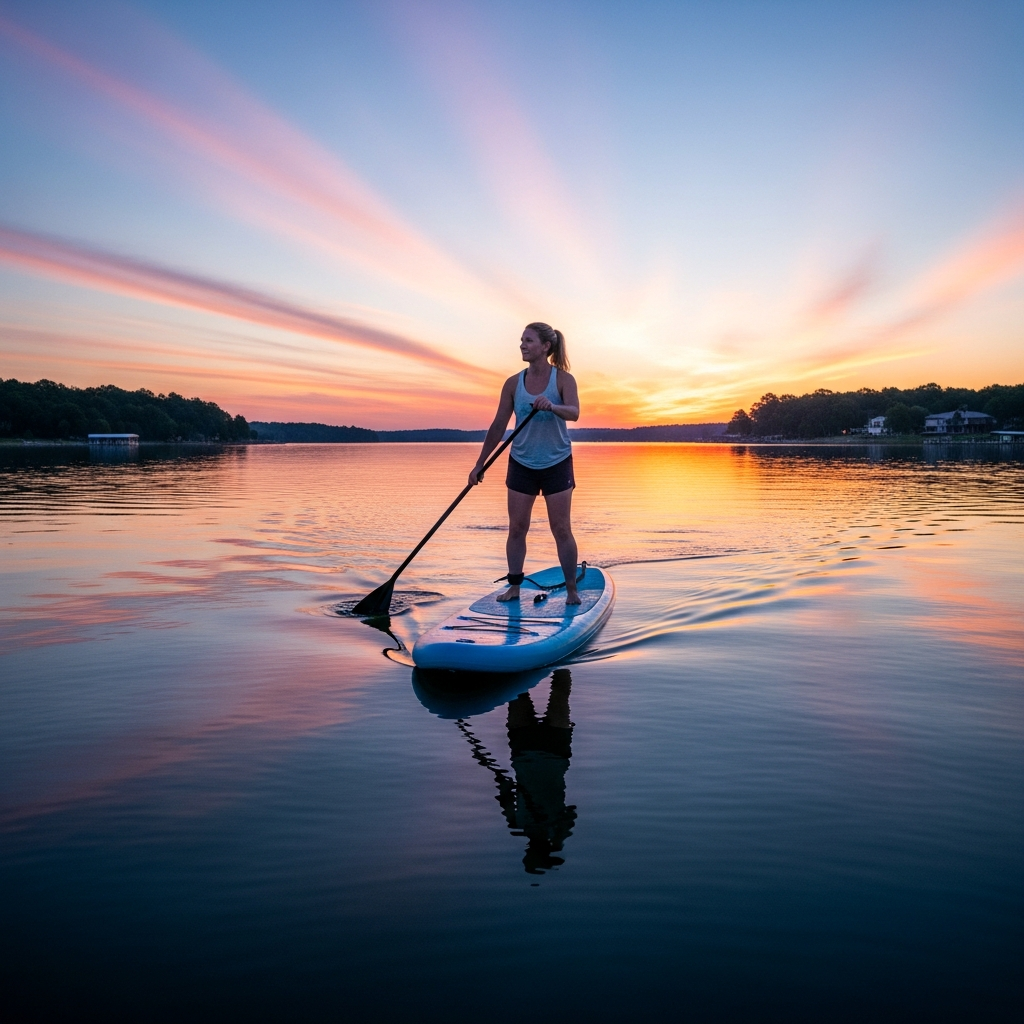
You know that feeling when you’re driving through a new neighborhood and suddenly – there it is? That perfect house with the “For Sale” sign, sitting pretty near water that catches the afternoon light just right. Your heart does this little skip thing, and you’re already mentally rearranging furniture before you’ve even called the realtor.
But then the practical side of your brain kicks in (thanks a lot, practical brain). What’s it *actually* like living by the water? Is it all sunset dinners and morning coffee with a view… or are you signing up for flooding, bugs, and property taxes that’ll make your accountant weep?
If Lake Ray Hubbard has caught your eye – and honestly, how could it not – you’re probably wrestling with these exact questions. Maybe you’ve driven around Rockwall or Rowlett on weekends, watching families launch kayaks while you sit in traffic. Or perhaps you’ve been to one of those lakefront restaurants and found yourself Zillow-browsing waterfront properties before the appetizers arrived.
Here’s the thing about lake living that nobody really talks about upfront: it’s not just about buying a house that happens to be near water. You’re essentially buying into a completely different lifestyle, one that comes with its own rhythm, its own community, and yes – its own unique set of challenges that your landlocked friends will never quite understand.
Lake Ray Hubbard isn’t Lake Tahoe or Lake Michigan. It’s a North Texas lake, which means it has its own personality – part recreational paradise, part suburban reality check. The lake spans about 22,745 acres across Dallas, Kaufman, Collin, and Rockwall counties, so you’re not exactly talking about a intimate mountain lake here. We’re talking about serious water with serious communities built around it.
Living here means your Saturday mornings might start with the distant hum of boat engines instead of lawnmowers. Your neighbors probably have boat slips the way other people have garages. And yes, your weather app becomes significantly more important when you’re wondering if that storm system is going to turn your backyard into a temporary extension of the lake.
But it also means you’re part of something pretty special. There’s this unspoken camaraderie among lake people – you wave at strangers on the water, you know which restaurants have the best sunset views, and you’ve probably got at least three different weather apps on your phone (because lake weather is… complicated).
The communities around Ray Hubbard have grown up with the lake, not just around it. Places like Rockwall literally built their identity around the water – I mean, they didn’t call it “Rockwall Harbor” for nothing. These aren’t just subdivisions that happen to have lake access; they’re communities where the lake is woven into daily life, from the annual festivals to the weekend routines.
And let’s be honest about something else – the real estate game here is different. Lake properties don’t follow the same rules as your typical suburban home. The good ones? They move fast and they command premium prices. The not-so-great ones might sit on the market while you wonder what you’re missing (usually it’s something flood-related, but we’ll get to that).
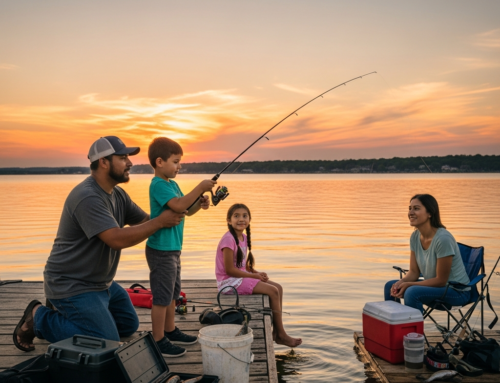
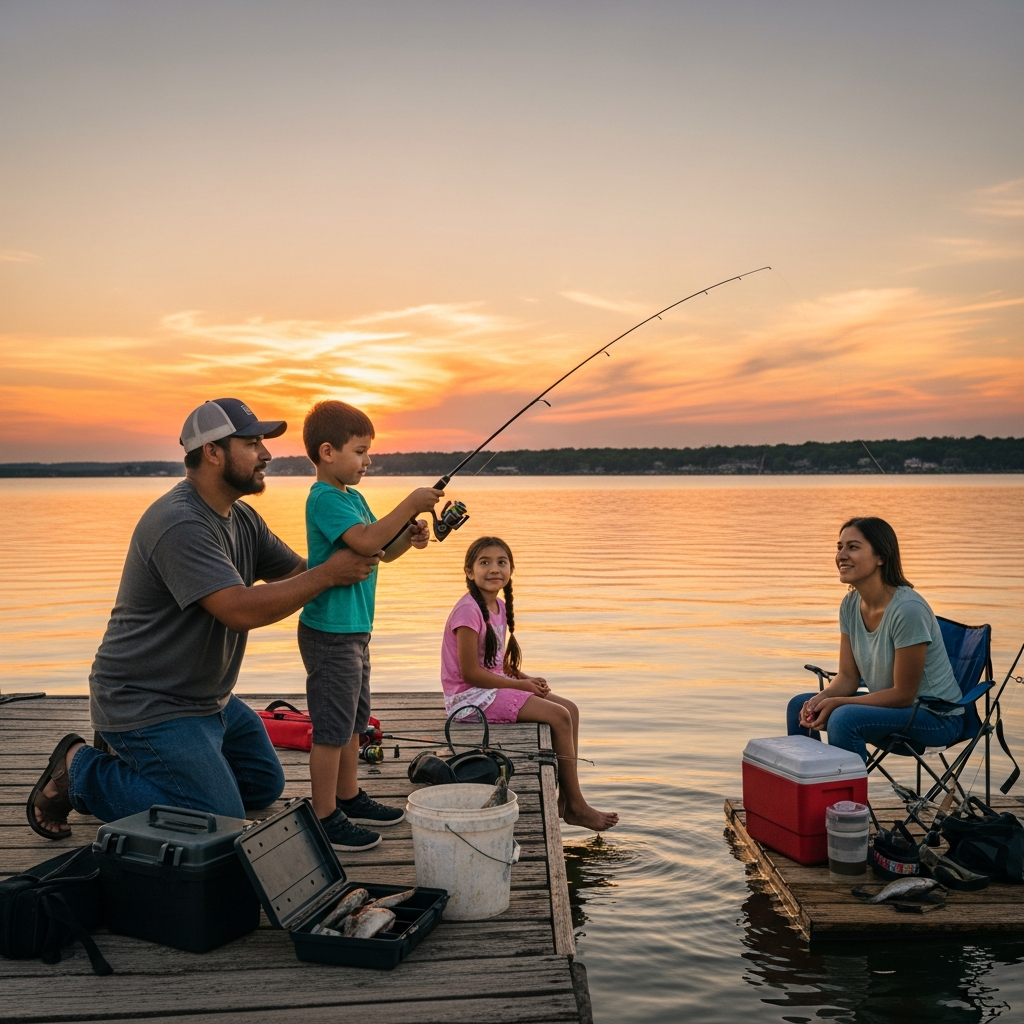
Whether you’re imagining retirement mornings with your coffee and binoculars, dreaming of teaching your kids to fish off your own dock, or just craving a change from cookie-cutter subdivisions where every house looks suspiciously similar… lake living presents some serious considerations.
We’re going to walk through what it’s really like – the morning mist that makes you feel like you’re living in a postcard, sure, but also the reality of flood insurance, the seasonal crowd fluctuations, and why your relationship with local weather patterns is about to become very personal.
Because here’s what I’ve learned from talking to folks who’ve made the leap: the ones who thrive near Lake Ray Hubbard aren’t just the ones who love the water – they’re the ones who understand what they’re getting into before they sign on the dotted line.
The Lake That Changed Everything
You know how some places just have that *thing*? Lake Ray Hubbard is one of those spots – and honestly, it wasn’t always this way. Back in the 1960s, this was all farmland and small communities that most folks had never heard of. Then the Army Corps of Engineers showed up with big plans and bigger bulldozers.
The lake itself is what engineers call a “reservoir” – basically a really large, really expensive swimming pool that happens to supply drinking water to about 1.3 million people in the Dallas area. It covers roughly 22,000 acres when it’s full (though “full” is… well, we’ll get to that), stretching across parts of Dallas, Kaufman, Collin, and Rockwall counties.
Here’s where it gets interesting – and a bit confusing if you’re new to Texas lake life. Unlike natural lakes that have been around since the last ice age, Ray Hubbard is essentially a controlled flood. The East Fork Trinity River was dammed up in 1969, and voilà – instant lake. This means the water levels can fluctuate pretty dramatically based on rainfall, drought conditions, and how much water Dallas is using that month.
Geography That Actually Matters
Think of Lake Ray Hubbard as a giant, irregular starfish lying across the landscape. The main body sits in the center, with these long, fingerlike coves reaching out in different directions. Each cove has its own personality – some are shallow and perfect for fishing, others drop off quickly and attract the speedboat crowd.
The eastern shore (that’s mostly Rockwall County) tends to be more developed, with established neighborhoods that have been lakefront for decades. The northern areas around Wylie? That’s where you’ll find some of the newer, flashier developments. And the western edge near Garland… let’s just say it’s got more of that authentic, slightly rough-around-the-edges Texas charm.
What’s really wild is how the lake creates its own little ecosystem of communities. You’ve got everything from million-dollar mansions with private docks to modest fishing cabins that haven’t changed much since the ’80s. Sometimes they’re literally next door to each other – which can make for some, um, interesting neighborhood dynamics.
The Water Level Situation (Because Everyone Asks)
Okay, this is probably the most important thing nobody explains properly. Texas lakes aren’t like the Great Lakes – they don’t just sit there at the same level year after year. Ray Hubbard can swing anywhere from completely full (what’s called “conservation pool”) down to… well, let’s just say you might be looking at a lot more mud than water.
During drought years – and we get them regularly around here – the lake can drop 10, 15, even 20 feet below full. Suddenly that beautiful waterfront property becomes “water-view” property, and your boat dock is sitting high and dry like a confused pelican.
The thing is, this isn’t a bug in the system – it’s a feature. The lake was designed to do this. When Dallas gets thirsty, they pull more water. When the rains come (and boy, when they come, they really come), the lake fills back up. It’s like living next to a giant, moody bathtub that’s controlled by both Mother Nature and city planners.
The Communities That Call It Home
Here’s what’s fascinating – and maybe a little counterintuitive – about lake living around Ray Hubbard. You’d think all the lakefront communities would be similar, right? Nope. Not even close.
Take Rockwall, for instance. It’s got this almost coastal vibe – people really embrace the lake lifestyle, with boat parades and waterfront festivals. Then you’ve got areas around Fate and Heath that feel more like… well, like regular suburbs that just happen to be near water. Some folks there barely think about the lake except when they’re stuck in traffic because of a boat tournament.
And here’s the thing that catches newcomers off guard: lake living isn’t just about having water access. It’s about understanding weather patterns (storms can get intense over all that open water), dealing with seasonal tourist crowds, and yes – learning to read those water level reports like they’re stock prices.
The communities have adapted in different ways. Some have invested heavily in infrastructure that works regardless of water levels. Others? Well, let’s just say their relationship with the lake is more… complicated.
Getting the Real Scoop Before You Move
Here’s what the real estate agents won’t tell you – drive out here on a Saturday morning in July and see what you’re really getting into. The lake brings crowds, and I mean *crowds*. Park near the boat launches around 8 AM and watch the parade of trailers backing down the ramps. If you’re planning to be one of those weekend warriors with a boat, factor in an extra hour just for launch logistics.
Talk to people at the marina coffee shops (yes, there are several hidden gems). Ask about winter wind patterns – they’ll tell you which neighborhoods get hammered and which ones have natural wind breaks. The difference in your heating bills? It’s not trivial.
The Flood Zone Reality Check
This is huge, and honestly… most people don’t do their homework here. FEMA flood maps are your best friend, but they’re also outdated in some areas. The lake level fluctuates more than you’d expect – sometimes dramatically.
Get the actual flood history from your potential neighbors, not just the official records. That sweet lakefront property might’ve been underwater three times in the past decade. And here’s the kicker – just because a house hasn’t flooded doesn’t mean the roads leading to it haven’t. I’ve seen people trapped in their neighborhoods for days after heavy rains because the access roads turned into rivers.
Check with your insurance agent about flood coverage *before* you fall in love with a place. Standard homeowner’s insurance doesn’t cover floods, and the good flood policies have waiting periods. Trust me on this one.
Mastering the Seasonal Rhythms
Summer here operates on lake time – which means everything takes longer and costs more. Grocery stores jack up prices, restaurants have hour-long waits, and forget about getting a table at waterfront spots without reservations.
But here’s the secret sauce: embrace the shoulder seasons. Late April through early May? Absolutely magical. The crowds haven’t descended yet, but the weather’s perfect for everything – hiking, fishing, just sitting on your deck with morning coffee. Same goes for September and early October.
Winter’s when you’ll discover if you’re truly cut out for lake living. The area gets pretty quiet – some seasonal businesses close entirely. But if you’re someone who craves that peaceful, small-town vibe… this might actually be your favorite time.
Building Your Support Network
The lake community has its own ecosystem of services, and knowing the right people makes all the difference. Find a reliable boat mechanic *before* you need one – the good ones stay booked solid during peak season.
Join the local Facebook groups, but take the drama with a grain of salt. Every lake community has its politics, usually involving boat noise, property lines, and who’s responsible for maintaining what. But these groups are also goldmines for finding everything from reliable contractors to the best fishing spots.
Get to know your immediate neighbors, especially if you’re buying lakefront property. Shared boat docks, retaining walls, and storm damage often become community issues whether you want them to or not.
The Money Talk Nobody Wants to Have
Lake living costs more – period. Not just the premium you’ll pay for the property, but the ongoing expenses that sneak up on you. Dock maintenance, additional insurance, higher utility bills (all that glass facing the water does gorgeous things for your views and terrible things for your energy efficiency).
If you’re buying a fixer-upper near the water, budget at least 30% more than you think for renovations. Everything takes longer when contractors have to navigate lake access roads, and specialty work (like seawall repairs) comes with specialty pricing.
Set aside money for the unexpected – severe weather can do expensive things to lakefront properties. Ice storms, high winds, flooding… they’re all part of the package.
Your First Year Game Plan
Don’t try to do everything at once. Spend your first season observing – where does the water go when it rains hard? Which spots get the worst wind? How do the neighbors handle their boats during storm season?
Build relationships gradually. Lake communities can be welcoming, but they also have long memories. The person who throws loud parties their first weekend and blocks the boat ramp with poor parking… that reputation sticks.
Most importantly – have backup plans. Know your evacuation routes, keep emergency supplies handy, and understand that sometimes Mother Nature gets the final say in your weekend plans.
The Not-So-Glamorous Side of Waterfront Living
Let’s be real – living near Lake Ray Hubbard isn’t all sunset boat rides and Instagram-worthy mornings. There are some genuine challenges that catch people off guard, especially if you’re coming from a more urban setting or… well, anywhere that doesn’t involve sharing your backyard with 22,000 acres of water.
The humidity hits different here. I mean, really different. During summer months, you’ll step outside and feel like you’re wearing the air instead of breathing it. Your hair will have opinions about this – none of them good. The moisture from the lake creates this microclimate that can make a 85-degree day feel like you’re living inside a slow cooker.
But here’s what actually works: invest in a good dehumidifier for your main living areas (not just the basement), and embrace the Texas tradition of having multiple outfit changes ready. Also? Those UV-blocking window films aren’t just for show – they actually help regulate indoor temperature and reduce that greenhouse effect.
When Mother Nature Gets Moody
The storms here can be… intense. Lake effect weather is real, and it’s not just something meteorologists made up to sound smart. When storm systems roll across that much water, they pick up energy and moisture like a freight train gathering speed.
I’ve watched neighbors panic during their first major thunderstorm, convinced their roof was going to blow off. The reality? These houses are built for it. But the lightning shows can be absolutely spectacular – and occasionally terrifying. Power outages happen, especially during severe weather season.
Your best bet is preparing like a pro: whole-house surge protectors (seriously, don’t cheap out on this), a quality generator if your budget allows, and – this is crucial – good relationships with your neighbors. During that ice storm two winters ago, our street basically became a support network. Mrs. Henderson shared her generator power, the Johnsons had the best battery-powered radio, and somehow we all made it through with our sanity intact.
The Wildlife Situation Nobody Warns You About
Okay, so everyone mentions the beautiful birds and the occasional deer. What they don’t tell you is that raccoons here have apparently attended some kind of advanced engineering program. They’ll figure out your “raccoon-proof” trash cans faster than you can say “opposable thumbs.”
And snakes… look, they’re part of the ecosystem, and most are harmless. But walking your dog at dusk requires a different level of awareness than you might be used to. Water moccasins are the ones you really need to respect – they’re not aggressive, but they’re not going to back down either.
The solution isn’t living in fear – it’s living smart. Good exterior lighting (motion-activated works great), keeping your yard maintained, and learning to identify the difference between a rat snake and something more concerning. Most local hardware stores actually offer little pocket guides, and trust me, your neighbors are usually happy to share their hard-won wildlife wisdom.
The Social Navigation Challenge
Here’s something that surprises a lot of newcomers – the lake community has its own social dynamics that can feel… complicated. There’s definitely a boat owner versus non-boat owner thing that happens. And the long-time residents? They’ve got their established rhythms and traditions.
You might feel left out of conversations about water levels, boat maintenance, or which marina has the best fish cleaning stations. There’s this assumption that everyone knows about lake life, and sometimes that can feel isolating.
The trick is finding your entry point. Maybe you’re not into boating, but you love morning walks along the shore. Or you’re fascinated by the local wildlife. Start small – attend community events, volunteer for lake cleanups, or just strike up conversations at the local bait shop (even if you’re just buying sunscreen). People here are genuinely friendly once you break through that initial “are you staying or just visiting?” barrier.
Making It Work Despite Everything
Look, these challenges are real, but they’re also manageable. The key is going in with realistic expectations and a willingness to adapt. This isn’t suburban cookie-cutter living – it’s something altogether different, with its own rhythms and requirements.
Most people who stick it out will tell you the trade-offs are worth it. But success here requires a bit of flexibility, some upfront investment in the right equipment, and – perhaps most importantly – embracing the fact that you’re now part of an ecosystem, not just living near it.
Setting Realistic Timeline Expectations
Let’s be honest about house hunting near Lake Ray Hubbard – it’s not going to happen overnight. The good properties here don’t sit on the market long (we’re talking days, sometimes hours for the really desirable waterfront spots), but that doesn’t mean you should panic and make an offer on the first place you see.
Most folks I know who found their dream lake house spent 3-6 months seriously looking. Some got lucky in a few weeks… others took over a year. The market here has its own rhythm, especially for waterfront properties. Spring and early summer? That’s prime time, and you’ll have more competition. But you’ll also have more inventory.
Don’t expect perfection right out of the gate. Nearly everyone I’ve talked to ended up compromising on something – maybe it was the boat dock situation, or they wanted a bigger garage, or they wished for a different view angle. That’s normal. The perfect house is usually the one that checks 80% of your boxes and has good bones for handling the other 20% over time.
What the First Year Really Looks Like
Here’s what nobody warns you about: that first year is part adjustment period, part discovery phase, and – if you’re being honest – part buyer’s remorse recovery. Don’t worry, it passes.
You’re going to spend the first few months figuring out your new routines. Where’s the best grocery store? Which marina has the friendliest staff? How early do the weekend boaters start making noise? (Answer: earlier than you’d like on Saturdays.) These little details matter more than you think when you’re actually living it day to day.
The seasonal changes will surprise you. Summer’s obviously the busy time – more boats, more noise, more activity. But winter? The lake gets eerily quiet. Some people love it… others feel isolated. Spring brings the fishing crowds, and fall has its own charm with fewer people but still decent weather.
Expect to make at least one “lake rookie” mistake that first year. Maybe you’ll learn about algae blooms the hard way, or discover that your beautiful lakefront yard needs different maintenance than you’re used to. It’s all part of the learning curve.
Building Your Lake Community Connections
This might sound cheesy, but the social aspect here really does make or break the experience. The good news? Lake communities tend to be pretty welcoming – you’ve all chosen this lifestyle for similar reasons.
Start with your immediate neighbors. They’re your best resource for everything from boat recommendations to which local contractors actually show up when they say they will. Don’t be shy about introducing yourself – most lake folks are happy to share their hard-won local knowledge.
Join the local Facebook groups and HOA meetings (yes, I know, meetings… but trust me on this one). That’s where you’ll hear about upcoming dock repairs, water level issues, and which restaurants have the best sunset views. Plus, you’ll start recognizing names and faces around the community.
The marina and boat clubs are goldmines for connections. Even if you don’t have a boat yet, these folks know everything about lake life. They can point you toward reputable boat dealers, warn you about seasonal maintenance issues, and – honestly – they’re usually pretty entertaining to chat with.
Planning Your Lake Life Evolution
Think of your first couple years as Phase One. You’re learning the ropes, figuring out what you actually enjoy about lake living (versus what you thought you’d enjoy), and making the basic adjustments to your new lifestyle.
Phase Two usually kicks in around year three – that’s when most people start the bigger projects. Maybe you’ll finally install that boat lift, or renovate the deck, or landscape the shoreline properly. By then, you’ll have a much better sense of how you actually use your space and what improvements would make the biggest difference.
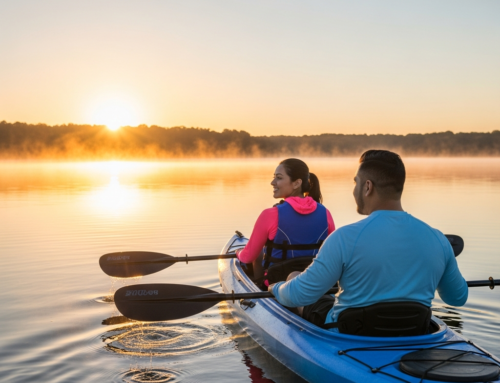
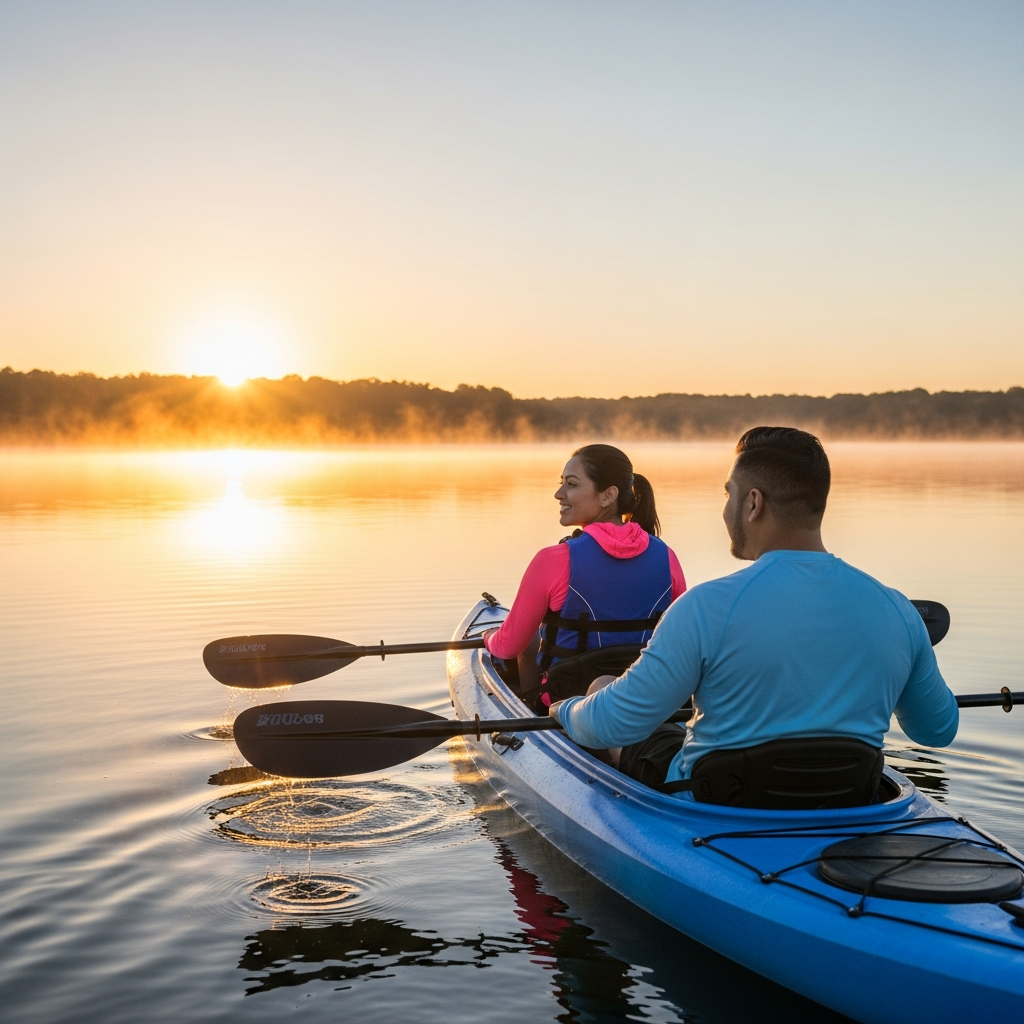
Don’t feel pressured to become a lake person overnight. Some new residents immediately buy a boat and start water skiing every weekend. Others prefer kayaking at sunrise or just reading on the dock. There’s no right way to do this.
The key is staying flexible and remembering why you chose this lifestyle in the first place. The learning curve is real, but so are the rewards – you just have to give both time to unfold naturally.
You know what strikes me most about talking with folks who’ve made the move out here? It’s that moment when their whole face lights up – usually when they’re describing their first sunrise over the water, or how their kids actually *want* to spend time outside now instead of glued to screens.
Sure, there are trade-offs. You might find yourself explaining to city friends why your commute’s a bit longer, or why you can’t just pop over for dinner on a Tuesday night. But here’s what I’ve noticed… those same friends? They’re the ones asking if they can come visit every weekend.
The thing about lakefront living is that it changes you in ways you don’t expect. Maybe it’s the way the water teaches you to slow down – you can’t exactly rush a sunset, after all. Or how you start measuring time differently… not by traffic lights and deadlines, but by seasons and weather patterns. When’s the last time you really *watched* a thunderstorm roll in?
And let’s be honest about something else – this lifestyle isn’t just about the pretty views (though they don’t hurt). It’s about what happens when you’re not constantly fighting for parking spots or dealing with sirens at all hours. When your biggest noise complaint is geese being a little too chatty in the morning. Your stress levels? Yeah, they start shifting too.
I’ve watched families discover things about themselves they never knew. Kids who were “indoor kids” suddenly becoming little fishing experts. Adults who thought they hated exercise finding themselves walking the shoreline every evening. There’s something about living near water that just… opens things up.
The community aspect catches people off guard too. You’d think being more spread out would mean less connection, but it’s actually the opposite. When you wave at your neighbor across the cove, when you share storm updates in the local Facebook group, when everyone knows which dock lights mean someone’s having a party… you realize you’ve stumbled into something pretty special.
Now, I’m not going to pretend every day is a postcard – because that would be weird, right? There are still bills to pay, lawns to mow, and yes, occasionally some tourist decides your quiet fishing spot is perfect for their jet ski adventures. But even on those days, you’ve got that water. That space to breathe.
If you’re sitting there wondering whether this kind of life could work for you – whether you’re ready to trade convenience for peace, hustle for space – I get it. It’s a big decision, and honestly? You probably have a million questions I haven’t even thought of.
That’s where we come in. We’ve helped dozens of families figure out if lakefront living matches their reality, not just their dreams. Whether you’re curious about specific neighborhoods, worried about commute times, or just want someone to walk you through what a typical day actually looks like out here… we’re here for it. All of it.
Reach out when you’re ready – no pressure, no sales pitch. Just real conversations about real life. Because the best decisions? They happen when you have all the information you need, and people who actually care about helping you find what fits.