Seasonal Activities to Enjoy at the Lake Year-Round
You know that feeling when you’re staring out your window at the lake on a random Tuesday in February, wondering if those beautiful waters are just… waiting there? Like some sort of seasonal decoration that only comes alive when the temperature hits seventy?
I used to think the same thing. Every winter, I’d watch our gorgeous lake turn into this mysterious, almost intimidating expanse that seemed to whisper “come back in June.” The dock looked lonely, the water too cold, the whole scene somehow… dormant. Meanwhile, I’m inside scrolling through last summer’s photos, already planning which swimsuit I’ll wear when the weather finally cooperates.
But here’s what I’ve learned after years of living near these waters – and trust me, this was a game-changer – the lake doesn’t actually take a vacation. We do.
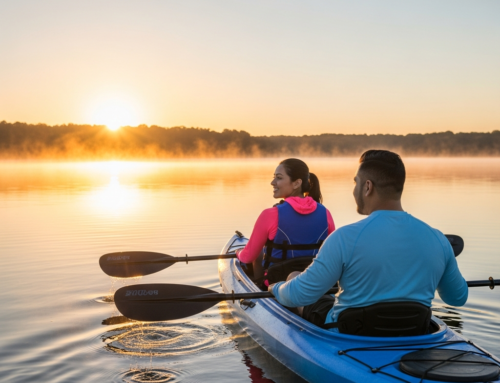
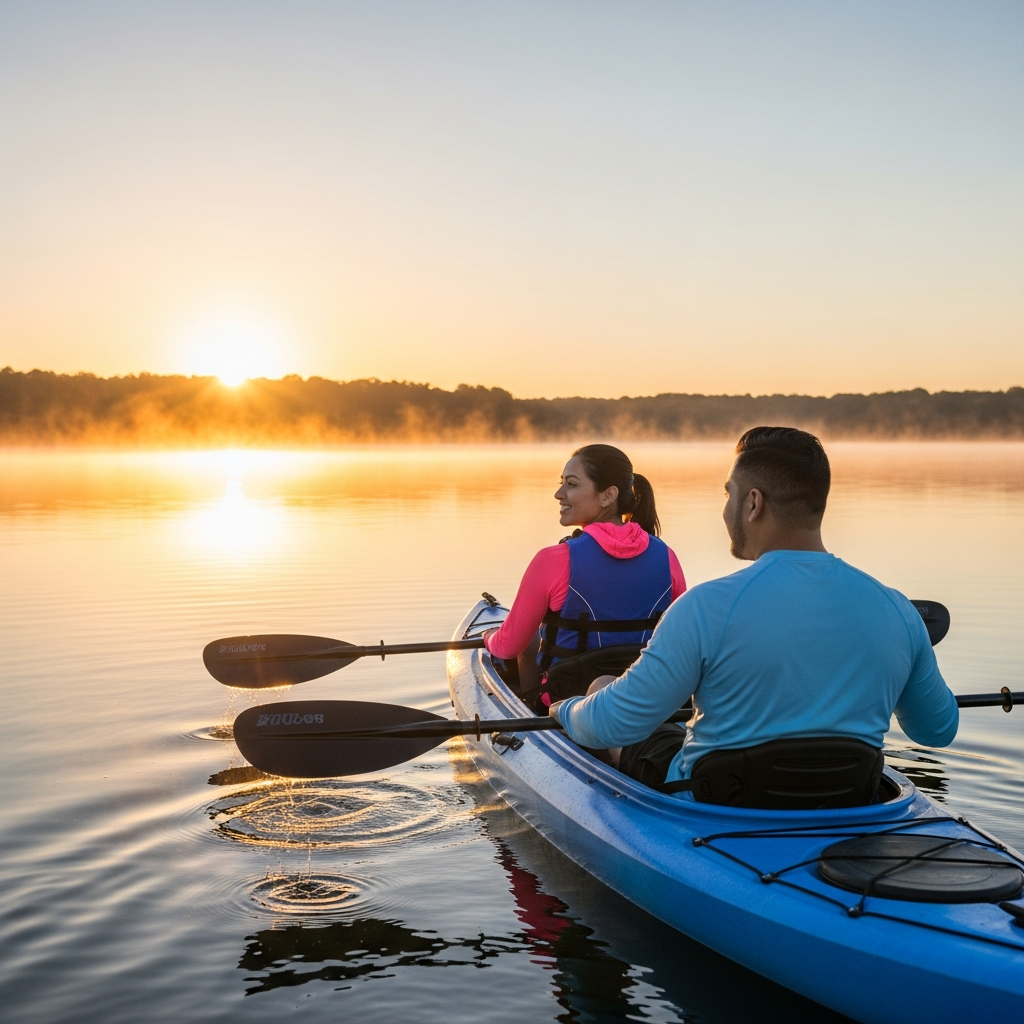
That realization hit me one crisp October morning when I was walking the dog (okay, fine, procrastinating on work) and noticed this family out on kayaks. In *October*. The kids were bundled up like little marshmallows, parents had on those thick fleece jackets, and they were having an absolute blast. Not a single person looked like they were suffering or counting down days until summer returned.
It got me thinking… what else was I missing?
Turns out, quite a lot. The lake I thought I knew – that summer playground of pontoon boats and lazy afternoons – was actually this incredible, ever-changing playground that just dressed differently depending on the season. Spring brings those perfect “not too hot, not too cold” days when you can actually move around without melting. Summer, well, summer’s the obvious star of the show. But fall? Fall brings colors that make you understand why people become photographers. And winter… winter transforms everything into something almost magical.
The thing is, most of us get stuck in this summer-or-nothing mindset. We buy all the gear, make all the plans, then pack it away come September like the lake has officially closed for business. But what if I told you that some of the best lake experiences happen when everyone else has given up and gone inside?
What if the secret to actually enjoying where you live – really *enjoying* it, not just surviving until vacation season – was learning to work with what each season offers instead of waiting for the “perfect” conditions that last maybe three months out of twelve?
I’ve spent the last few years figuring this out through trial and error (and yes, some shivering), and honestly? My relationship with our lake has completely changed. Instead of those long, restless months of waiting, I now have things to look forward to year-round. Activities that make me excited to wake up and see what the water looks like today, regardless of what the thermometer says.
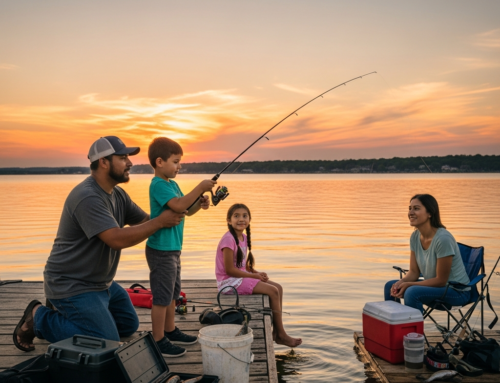
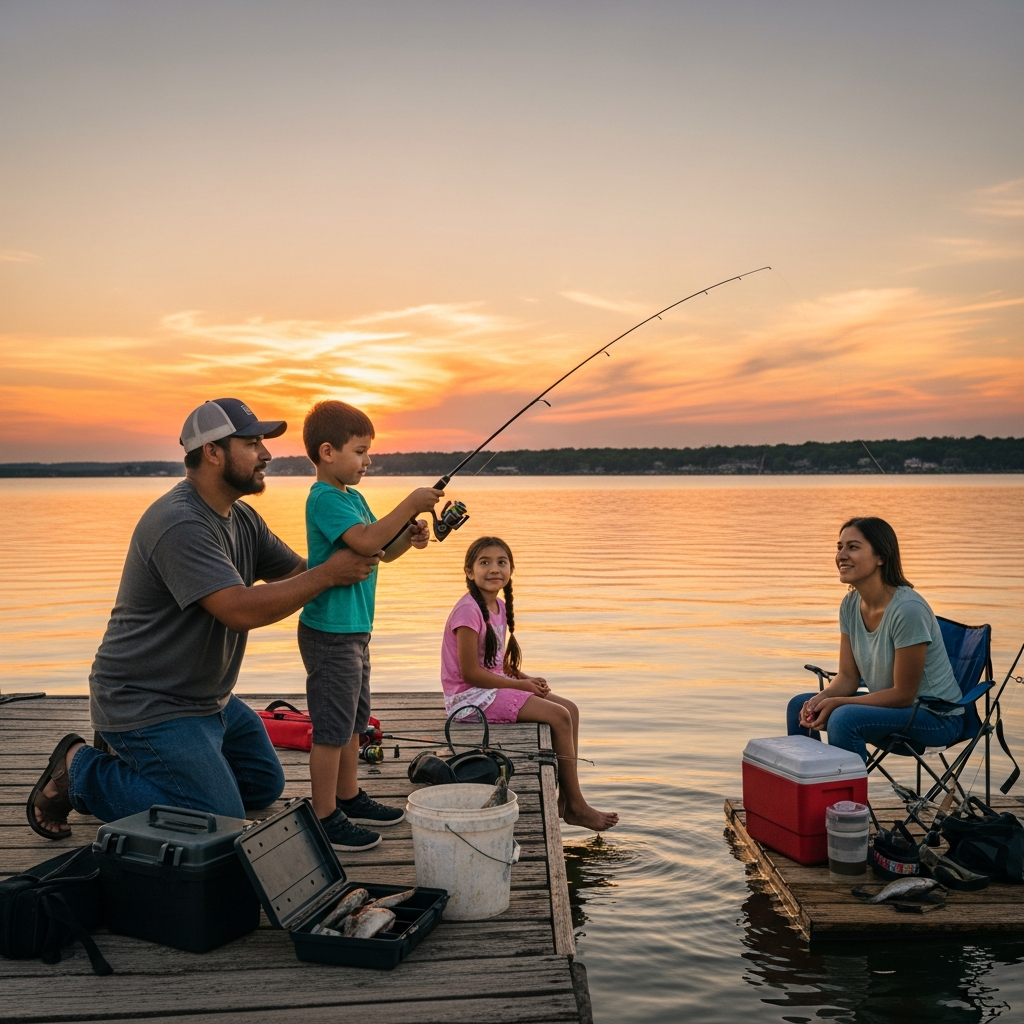
Some of these discoveries were obvious once I thought about it – like how incredible the fishing gets when all the fair-weather folks pack up their rods. Others caught me completely off guard, like realizing that a winter walk around the lake beats any expensive gym membership for clearing your head and getting your body moving.
And don’t even get me started on spring cleanup days… I know, I know, that sounds about as exciting as watching paint dry. But there’s something deeply satisfying about preparing your little piece of paradise for the year ahead, especially when you’re doing it alongside neighbors who’ve had the same winter-induced cabin fever you have.
The best part? Most of these activities don’t require you to become some sort of extreme outdoor enthusiast or invest in a garage full of specialized equipment. We’re talking about simple shifts in perspective, maybe picking up one or two pieces of gear you’ll actually use, and learning to see opportunities where you used to see obstacles.
So whether you’re someone who currently hibernates from October through April, or you’re already pretty active but curious about mixing things up, or maybe you’re new to lake living and want to make the most of this incredible resource sitting right outside your door… well, you’re in the right place.
Because the lake? It’s been waiting for you all along. Every season, every month, every perfectly imperfect day. Time to meet it where it is.
Why Water Changes Everything (And We Mean Everything)
Here’s the thing about lakes – they’re basically nature’s mood rings, constantly shifting with the seasons in ways that’ll surprise you. You might think a lake in winter is just… well, a cold lake. But there’s this whole underwater world that keeps humming along, even when everything looks frozen and lifeless up top.
The temperature layers in a lake work kind of like a fancy cocktail – the cold stuff sinks, the warm stuff rises, and there’s this magical middle layer where fish like to hang out. It’s called the thermocline, which sounds way more complicated than it actually is. Think of it as the lake’s comfort zone.
The Seasonal Personality Shifts
Every season turns your local lake into a completely different character. Spring? It’s like that friend who’s had way too much coffee – everything’s buzzing with activity, ice is cracking, and suddenly there are birds everywhere making a racket at dawn.
Summer transforms it into the neighborhood’s living room. Everyone’s there, the water’s warm enough that you don’t immediately regret jumping in, and honestly… it can get a bit crowded. But that’s part of the charm, right?
Fall is when lakes get moody – and we mean that in the best way possible. The water’s still holding onto summer’s warmth while the air’s getting crisp, creating these incredible morning mists that make you feel like you’re in a nature documentary. Plus, the fish are getting ready for winter, which makes them surprisingly active.
Winter? That’s when lakes become mysterious. Ice fishing might sound like the most boring activity ever invented (sitting on frozen water waiting for fish that may or may not exist?), but there’s something almost meditative about it. The silence is different – thicker, if that makes sense.
Understanding Lake Ecosystems Throughout the Year
This is where it gets fascinating – and a little weird. Lakes don’t just freeze over and call it quits for the season. There’s this whole bustling community under the ice that keeps going like nothing happened.
The oxygen levels shift dramatically with the seasons, and here’s the counterintuitive part: sometimes the fish are more active in winter than you’d expect. They’re moving slower, sure, but they’re still feeding, still doing their fish things. It’s like they’ve switched to energy-saver mode but haven’t shut down completely.
Aquatic plants have their own seasonal rhythms too. Some die back completely, others just slow down, and a few actually do better in cooler water. It’s like having a garden that completely redesigns itself four times a year without asking your permission.
Weather Patterns and Safety Considerations
Let’s be real – water and weather can be unpredictable partners. Spring storms can turn a calm morning paddle into something you’ll be talking about for years (and not necessarily in a good way). Those afternoon thunderstorms in summer? They move faster over water than you think.
Here’s what most people don’t realize: cold water is dangerous year-round, not just in winter. Even a 70-degree day can have water temperatures that’ll take your breath away – literally. Cold water shock is real, and it doesn’t care how good a swimmer you are.
Ice safety is its own beast entirely. Just because it looks solid doesn’t mean it is, and ice thickness can vary dramatically across the same lake. That inlet where the creek comes in? Yeah, that ice is probably thinner than everywhere else.
The Equipment Reality Check
Different seasons mean completely different gear – there’s no getting around it. Your summer setup of shorts, sunscreen, and a cooler full of sandwiches won’t cut it when there’s snow on the ground.
But here’s the thing that surprises people: you don’t need to break the bank for every season. A good base layer system works for spring kayaking and winter ice fishing. Quality rain gear pulls double duty in fall storms and spring melts.
The key is thinking in layers and systems rather than single-purpose items. Your winter fishing shelter? It’s also great for those windy spring camping trips. That insulated water bottle you bought for ice fishing? Perfect for hot summer days when you need something that won’t turn into soup in the heat.
Actually, that reminds me – the best lake enthusiasts I know are the ones who’ve learned to work with the seasons instead of fighting them. They don’t try to force summer activities into winter weather… they discover what each season offers uniquely.
What to Pack (Because You’ll Forget Something Important)
Let’s be real – you’re going to show up at the lake missing something crucial. It happens to all of us. I once drove two hours only to realize I’d forgotten sunscreen in July… not my brightest moment.
Here’s what I’ve learned to always keep in a dedicated lake bag: a first aid kit (those dock splinters are sneaky), backup phone charger in a waterproof case, and – this is key – a mesh bag for collecting wet gear. You know how everything’s soaking when it’s time to leave? That mesh bag is a lifesaver.
For winter visits, pack like you’re going to get stuck. Extra blankets, hand warmers, thermos of hot chocolate, and honestly? Keep a small shovel in your car. Lake access roads aren’t always the first to get plowed, and I’ve seen too many people spinning their wheels on a beautiful snowy morning.
Timing Your Visit Like a Local
Most people hit the lake at all the wrong times. Summer weekends? That’s amateur hour – crowded, expensive, and you’ll spend more time looking for parking than enjoying the water.
Want to know when locals go? Tuesday mornings in summer. Wednesday evenings in fall. The light is incredible, the crowds are gone, and you’ll actually hear the water lapping instead of jet skis revving.
Winter visits are magic between 10 AM and 2 PM when the sun’s warmest. Spring? Get there early morning during bird migration – around 6 AM if you can manage it. You’ll see things that afternoon visitors miss entirely.
Safety Without the Lecture
I’m not going to bore you with obvious stuff, but there are some lake-specific things people don’t think about.
Water temperature changes way faster than air temperature. That gorgeous 75-degree October day? The water might still be 58 degrees from a cold snap two weeks ago. Always do the toe test before diving in, even when you think you know what to expect.
Ice safety in winter isn’t just about thickness – it’s about knowing your specific lake. Some areas stay weak all season because of springs or currents. Chat with local bait shops or marinas; they’ll know which spots never freeze properly.
And here’s something nobody talks about: sun reflection off water is intense year-round. I’ve gotten sunburned in February just from the glare off snow and ice. Sunglasses aren’t optional, no matter the season.
Making Friends with the Weather
Weather apps lie about lakes. Well, not lie exactly, but they don’t tell the whole story. Lakes create their own microclimates, and what’s happening five miles inland might be completely different on the water.
Wind direction matters more than speed. A 10-mph wind hitting the long fetch of the lake creates bigger waves than 15 mph across the narrow part. Learn which direction makes your favorite spots unusable – it’ll save you disappointing trips.
Temperature swings are dramatic near water. Bring layers, always. That perfect 70-degree morning can turn into a 45-degree evening once the sun sets, especially in spring and fall.
The Real Secret: Embrace the Shoulder Seasons
Here’s what I wish someone had told me years ago – the best lake experiences happen when most people think it’s not lake weather.
Late March when the ice just breaks up? That’s when you’ll see the most wildlife, and the silence is profound. November after the boats are stored? Perfect for reflection and those moody photos everyone loves.
Even rainy days have their magic… actually, let me tell you about one of my favorite lake memories. Light drizzle, completely empty shoreline, and suddenly a family of deer came down to drink not twenty feet from where I was sitting. That never would’ve happened on a sunny Saturday.
The key is adjusting your expectations. Summer lake days are about energy and activity. Winter visits are about peace and different kinds of beauty. Spring and fall? Those are for discovery – you never know quite what you’ll encounter.
Your Lake Personality
Different lakes call for different approaches, and honestly, different moods. Small ponds are perfect for quiet contemplation and maybe some sketching. Big recreational lakes? That’s where you go to feel alive and maybe a little reckless.
Figure out what you need from your lake time, then match the lake to the mood. Trust me, trying to find peace on a busy holiday weekend rarely works out the way you hope.
When Mother Nature Doesn’t Cooperate
You know what nobody talks about in those glossy lake lifestyle magazines? The day you’ve planned the perfect kayaking trip and wake up to 25-mph winds that turn your peaceful water into a washing machine. Or when you’re all set for that sunset fishing session and… it’s been raining for three days straight.
Weather’s going to mess with your plans – that’s just lake life. The trick isn’t pretending it won’t happen, it’s having a Plan B that doesn’t involve sulking indoors. Keep a mental (or actual) list of backup activities. Rainy day? Perfect time for that tackle box organization you’ve been putting off, or teaching the kids to tie fishing knots. Windy conditions that make boating sketchy? Great opportunity to explore those hiking trails you always drive past.
Actually, some of my favorite lake memories happened when plans went sideways. That stormy afternoon we ended up playing cards in the cabin while listening to rain on the roof? Better than any planned activity we could’ve done.
The Gear Juggling Act
Here’s what they don’t tell you about year-round lake activities: you’ll need approximately seventeen different types of equipment, and somehow you’ll never have the right thing when you need it. Winter ice fishing gear, summer water sports equipment, spring hiking boots that aren’t too heavy for summer, fall layers for unpredictable weather…
The solution isn’t buying everything at once (your wallet will hate you). Start with versatile basics. A good pair of quick-dry pants works for hiking, fishing, and casual boating. Quality base layers transition from winter activities to cool summer mornings. Invest in a few key pieces rather than lots of mediocre ones.
Storage becomes its own challenge – especially if you’re working with limited cabin or garage space. Vacuum storage bags are lifesavers for bulky winter gear during summer months. Those mesh laundry bags? Perfect for organizing smaller items like goggles, gloves, and fishing tackle by season.
The Energy Drain Nobody Mentions
Let’s be honest about something – maintaining enthusiasm for outdoor activities year-round is harder than Instagram makes it look. Come February, when you’ve been cooped up for weeks and the lake’s still frozen solid, mustering excitement for ice fishing can feel… well, impossible.
This is completely normal, by the way. Seasonal energy fluctuations are real, and fighting them usually backfires. Instead, work with your natural rhythms. Maybe winter is your time for gentler activities – snowshoeing instead of intense hiking, casual ice skating rather than competitive hockey games.
Some weeks, your idea of a lake activity might just be sitting by the water with hot coffee, watching ice form patterns. That counts too. The pressure to always be *doing* something active can actually rob you of the restorative benefits you’re seeking.
Weather Prep Reality Check
Here’s where people get tripped up: they either over-prepare (bringing enough gear for an Arctic expedition to go fishing in October) or under-prepare (heading out in shorts when it’s 45 degrees because “it felt warmer this morning”).
The sweet spot? Check the forecast, then check it again. But more importantly, understand your local lake’s microclimate. Water temperatures lag behind air temperatures by weeks. That sunny April day might feel warm on land, but the water’s still brutally cold.
Pack layers, always. Even summer evenings by the water can turn chilly fast. Keep emergency supplies in your car – extra dry clothes, basic first aid, emergency blanket, flashlight. Sounds paranoid until you need them.
Making It Sustainable (Without Going Broke)
The biggest challenge long-term isn’t weather or gear – it’s maintaining regular lake activities without breaking the bank or burning out. Equipment costs add up fast, and constantly driving to the lake gets expensive.
Consider sharing costs and equipment with friends or neighbors. Pool resources for big-ticket items like boats or specialized gear. Join local clubs – they often have equipment lending libraries and group rates for activities.
Most importantly, remember that the best lake activities often cost nothing. Watching sunrise from the shore, collecting interesting rocks with kids, practicing photography… these simple pleasures often end up being more memorable than the expensive adventures anyway.
The goal isn’t to check every activity off some master list – it’s finding sustainable ways to connect with this incredible natural resource throughout the year.
Setting Realistic Expectations for Your Lake Adventures
Let’s be honest – those Instagram photos of perfect lake days? They don’t show the forty-five minutes spent untangling fishing lines or the afternoon when the “perfect” swimming spot turned out to be full of seaweed. Real lake life has its messy moments, and that’s actually part of what makes it so rewarding.
When you’re planning your first season of regular lake activities, give yourself permission to be a beginner. Maybe you’ve been dreaming of becoming that person who effortlessly paddleboards at sunrise, but the reality is you’ll probably spend your first few attempts looking more like a wet pretzel. That’s completely normal – and honestly, pretty entertaining for anyone watching from shore.
The weather will mess with your plans. A lot. You know that perfect kayaking day you’ve been planning for weeks? Mother Nature might have other ideas. Having backup indoor activities (or just embracing the art of doing absolutely nothing by the water) isn’t giving up – it’s being smart.
Your First Three Months: What to Actually Expect
Those first few months are all about figuring out what works for you and your family. Some activities will click immediately – others might feel more like work than fun. Don’t force it.
You’ll probably discover that your kids love skipping stones but hate fishing (or vice versa). Your partner might turn out to be a natural at stand-up paddleboarding while you’re still trying to figure out which end of the paddle goes in the water. These discoveries are part of the process, not failures to fix.
Budget-wise, expect some trial and error too. You might invest in a fancy fishing setup only to realize you prefer the simple joy of watching wildlife. Or maybe you’ll rent a kayak once and immediately start shopping for your own. Both scenarios are perfectly fine – you’re learning what brings you joy.
The seasonal transitions will teach you patience. Spring activities often come with muddy shores and unpredictable weather. Summer brings crowds (and sometimes parking challenges). Fall offers gorgeous scenery but requires more layers than you think. Winter… well, winter at the lake is magical, but it’s definitely not for everyone.
Building Your Lake Routine (Without the Pressure)
After those first few months, you’ll start developing a rhythm. Maybe Saturday mornings become your fishing time, or Sunday afternoons turn into family paddling adventures. These routines will evolve naturally – don’t try to force them into some idealized schedule you saw in a magazine.
Start small and build up. One lake activity per weekend is plenty when you’re beginning. Trying to pack in fishing, swimming, hiking, and kayaking all in one day sounds ambitious… and usually ends with someone cranky and overtired. (Speaking from experience here.)
Consider the learning curve for different activities. Swimming and basic fishing? Pretty straightforward. Kayaking and paddleboarding? You’ll get the hang of it within a few outings. Winter activities like ice fishing or snowshoeing? These might take a full season to feel comfortable, and that’s totally normal.
Making It Sustainable for the Long Haul
The key to enjoying lake activities year-round isn’t cramming every possible adventure into your calendar – it’s finding the ones that genuinely fit your lifestyle and energy levels.
Some weeks, your “lake activity” might just be sitting on a dock with coffee, watching the sunrise. That counts. In fact, those quiet moments often end up being the ones you remember most clearly years later.
Build relationships with other lake enthusiasts, but don’t compare your chapter 1 to their chapter 20. That family who seems to have every piece of equipment and knows all the best spots? They’ve probably been doing this for years. You’ll get there too, if that’s what you want.
Your Next Steps (Keep It Simple)
Pick one activity that genuinely excites you right now – not the one you think you should enjoy. Start there. Get comfortable. Then maybe add another.
Check local resources for classes, equipment rentals, or guided experiences. Many lake communities offer beginner-friendly programs that take the guesswork out of getting started.
Most importantly, remember that the “perfect” lake day is the one where you actually show up and enjoy whatever happens. Even if it includes untangling fishing lines, falling off paddleboards, or discovering that your ambitious hiking plans need to be postponed due to muddy trails.
The lake will be there tomorrow too.
You know what strikes me most about all these lake activities? It’s not really about the fishing or the swimming or even those perfect Instagram sunsets – though those are pretty wonderful too. It’s about how the water becomes this constant invitation to slow down, breathe deeper, and remember what actually matters.
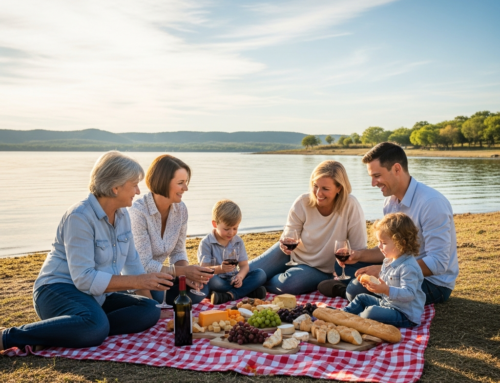
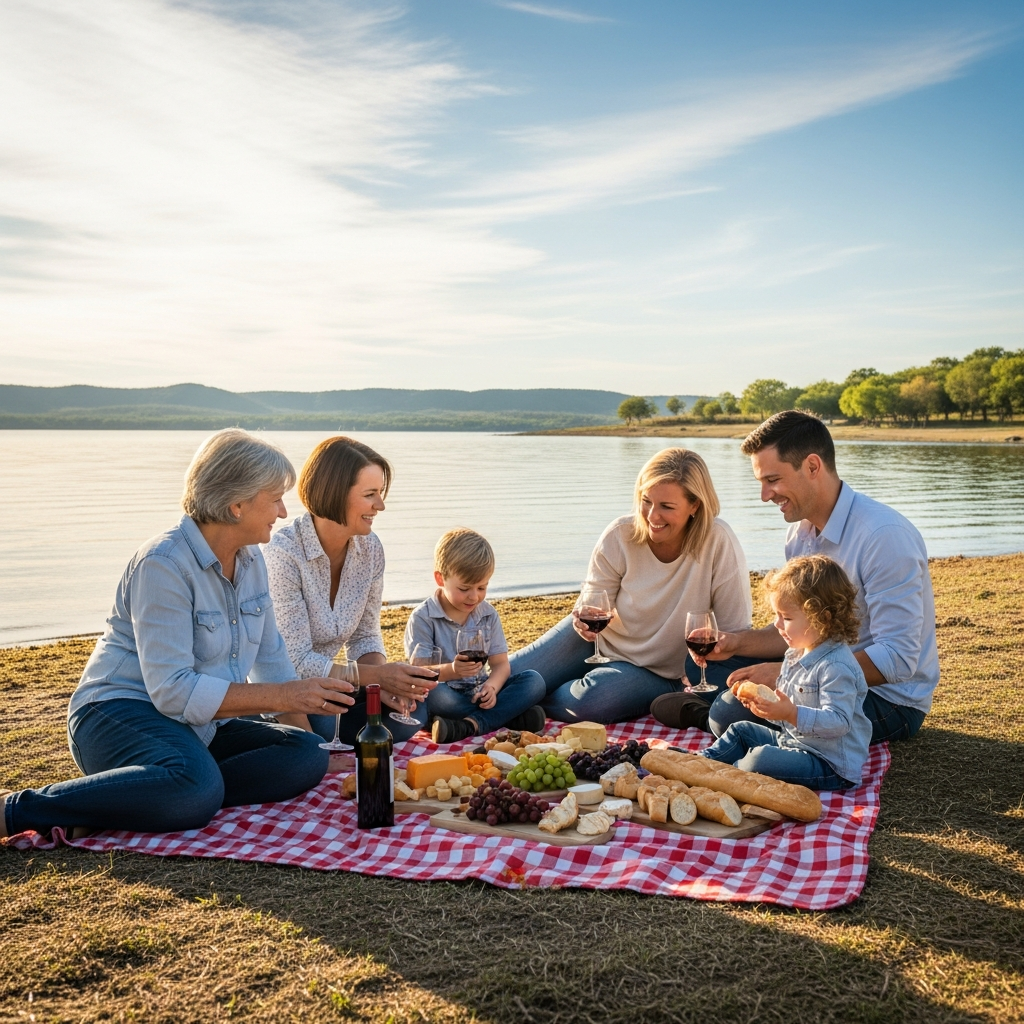
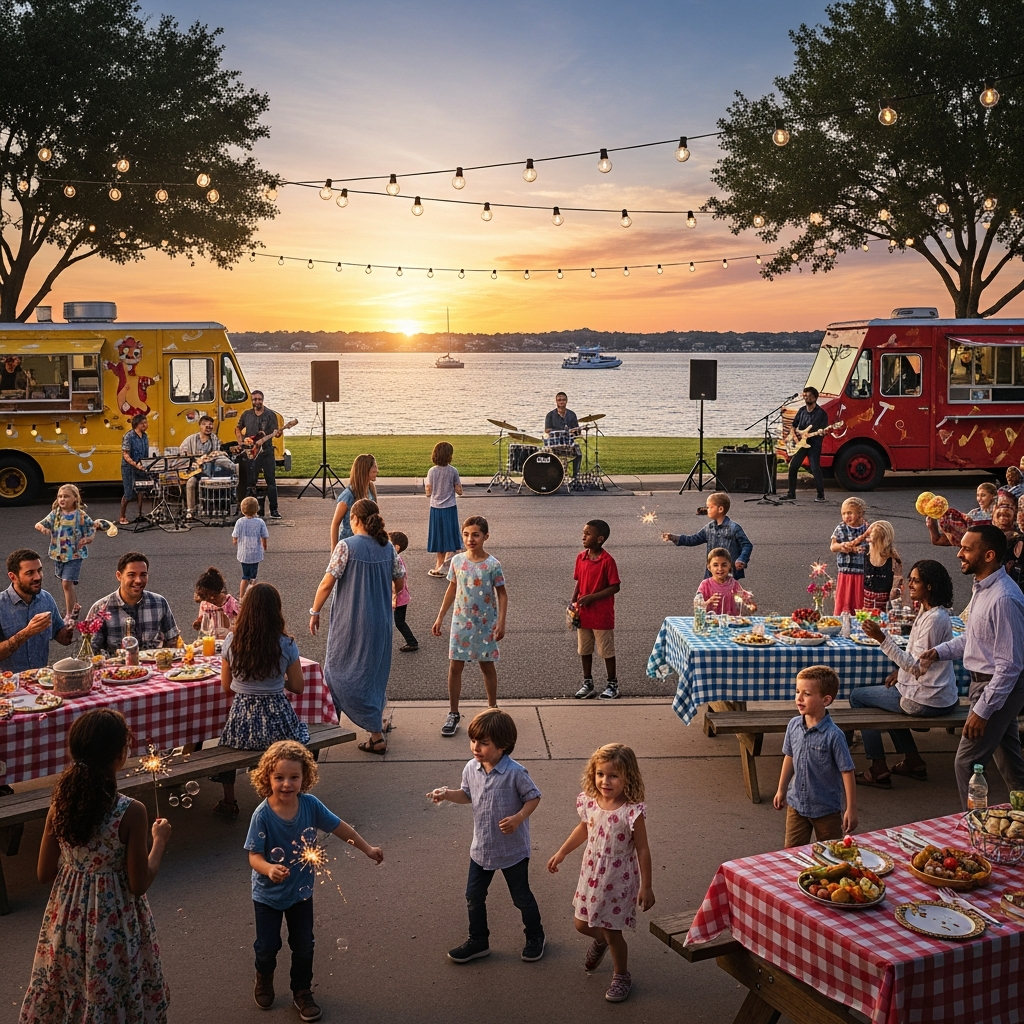
I’ve watched families discover their new favorite traditions during an impromptu winter walk along the shore. I’ve seen couples reconnect over quiet morning paddle sessions when the mist is still dancing on the water. And those summer barbecues that stretch late into the evening? They’re where kids learn that grown-ups can actually be pretty fun… and where adults remember they don’t always have to be “on.”
The thing about seasonal lake life is that it teaches you patience in the most gentle way. Spring doesn’t rush – it unfolds gradually, and suddenly you’re noticing bird songs you hadn’t heard in months. Summer blazes bright and bold, then gracefully hands the stage over to autumn’s quieter beauty. Winter settles in with its own stark magic, offering a completely different kind of peace.
Maybe you’re reading this and thinking, “That sounds amazing, but I wouldn’t even know where to start.” Or perhaps you’re wondering if your family would actually enjoy these activities, or if you’re outdoorsy enough, or if it’s worth the investment in gear and time. Trust me – I get it. Sometimes the gap between wanting something and actually doing it feels pretty wide.
Here’s what I’ve learned: you don’t need to be an expert or have all the right equipment or even know exactly what you’re doing. You just need to show up. Start small. Rent before you buy. Ask locals for their favorite spots (most of us love sharing our secret gems). Embrace the learning curve – it’s actually part of the fun.
The lake doesn’t judge whether you’re casting your line perfectly or if your kayak zigzags a bit. It just welcomes you. Your kids won’t remember if you forgot the sunscreen that one time (okay, maybe they will), but they’ll absolutely remember the day you taught them to skip stones or the morning you all watched the sunrise together from the dock.
And listen – if you’re feeling a bit overwhelmed by all the possibilities, or you want someone to help you figure out which activities might work best for your family’s lifestyle and interests, please don’t hesitate to reach out. Sometimes it helps to talk through ideas with someone who’s been there, done that, and made plenty of mistakes along the way. I love connecting with folks who are ready to embrace more outdoor time but aren’t quite sure how to make it happen sustainably.
The seasons will keep cycling, the lake will keep offering its gifts, and there’s really no wrong time to start creating those memories. Whether you’re drawn to the solitude of early morning fishing or the joyful chaos of summer gatherings, there’s space for you here. The water’s waiting – and honestly, so is the best version of yourself.